



Forensic & Criminological Matrix
| Parameter | Forensic Detail |
|---|---|
| Forensic Heading / Aliases | El Pelón |
| Legal Identity | Higinio Sobera de la Flor |
| Confirmed Victims | 2 |
| Attributed / Indicted Victims | 2 |
| Active Timeline | 1952 |
| Jurisdiction / Area of Operations | Mexico City, Mexico |
| Criminological Classification | Homicide / Necrophile |
| Forensic Modus Operandi | Point-blank shootings following traffic disputes or sexual rejection |
| Weapon / Mechanism of Death | Handgun |
| Motive / Behavioral Dynamics | Schizophrenia, impulsivity, necrophilia |
| Judicial Outcome | Sentenced to 40 years in prison |
1. Background and Profile
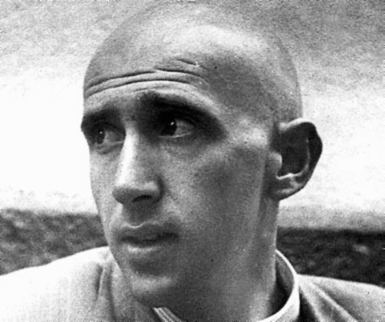
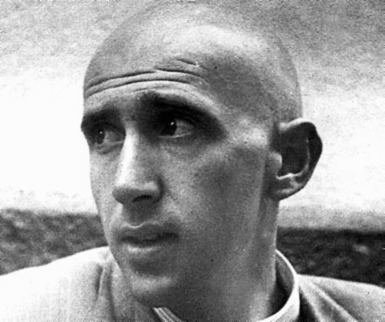
Higinio Sobera de la Flor (1928-1985) was a wealthy individual in Mexico City whose erratic and violent behavior was systematically covered up by his family. Diagnosed with schizophrenia, he exhibited antisocial, borderline, and narcissistic traits. His nickname, "El Pelón" (The Bald One), stemmed from his obsessive habit of shaving his head to alleviate perceived headaches.
2. Criminal Career and Modus Operandi
On March 11, 1952, following a traffic dispute, he murdered Captain Armando Lepe Ruiz at the intersection of Insurgentes and Yucatán. The following day, March 12, he approached Hortensia López Gómez at a bus stop, forced her into a taxi, and after being sexually rejected, executed her with three gunshots. He then transported the body to a motel in Palo Alto, where he committed acts of necrophilia.
3. Investigation and Arrest
The investigation was led by the Secret Service. Identification was achieved through the vehicle's license plate (76-115) and eyewitness testimony. The taxi driver, Esteban Hernández Quezada, was instrumental in reconstructing the route to the motel.
4. Legal Proceedings and Outcome
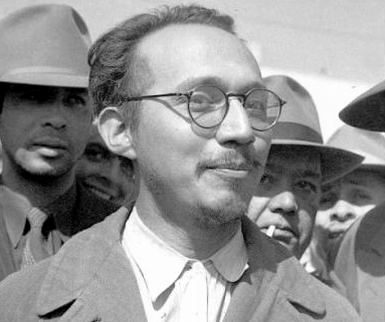
He was arrested on March 13, 1952, at the Hotel Montejo. Despite his psychiatric diagnosis, he was sentenced to 40 years in prison. His incarceration at Lecumberri was marked by mental deterioration, catatonic episodes, and coprophagia, becoming a subject of study for criminologist Alfonso Quiroz Cuarón.
5. Psychiatric Evaluation and Final Years
After serving 30 years of his sentence, he was released in 1982. He spent his final years in a state of senility and withdrawal, passing away from natural causes in 1985.