

Forensic & Criminological Matrix
| Parameter | Forensic Detail |
|---|---|
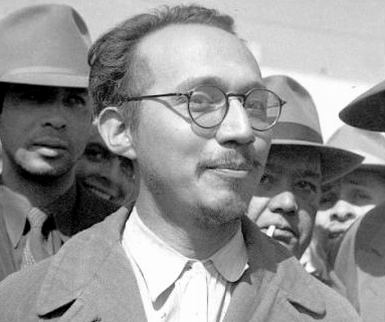
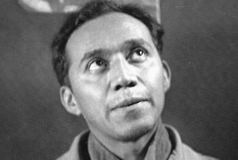
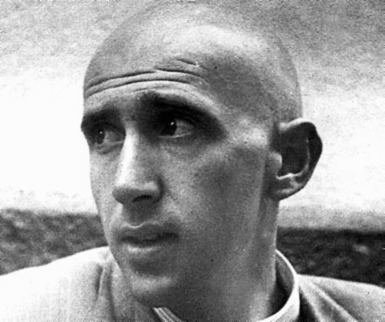
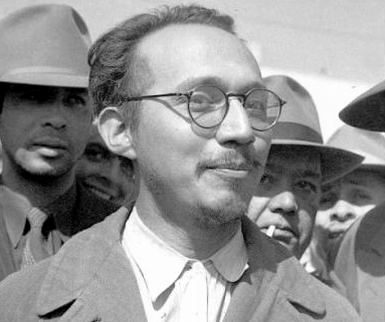
| Full Legal Name | Gregorio Cárdenas Hernández |
| Media Monikers | Goyo Cárdenas, The Strangler of Tacuba, The Chemistry Killer |
| Nationality | Mexican |
| Date of Birth | 1915, Veracruz, Mexico |
| Date of Death | August 2, 1999 (aged 84, Los Angeles, California, United States) |
| Historical Penal Status | Confined to La Castañeda Asylum and Lecumberri Prison; granted presidential clemency and released in 1976 after obtaining a law degree and demonstrating prison rehabilitation |
| Confirmed Murder Victims | 4 young women: three 16-year-old sex workers (María de los Ángeles González, Rosa Reyes, and Raquel Martínez) and university peer Graciela Arias (19) |
| Active Murder Wave | August 15 to September 3, 1942 |
| Geographic Crime Scene | Residential house and rear garden, Mar del Norte 21, Tacuba neighborhood, Mexico City |
| Lethal Modus Operandi | Manual and cord ligature strangulation following sexual contact; clandestine shallow backyard burials disguised beneath domestic potted plants |
| Forensic & Sociological Significance | Recognized as Mexico's first modern media serial killer; subject of an unprecedented rehabilitative trajectory culminating in a standing ovation before Mexico's Federal Congress in 1976 |
| Diagnostic Motive | Sadistic lust murder, paraphilic necrophilic fixation, and pseudo-scientific omnipotent fantasies of biological reanimation |
1. Criminological Trajectory and Early Life
Gregorio Cárdenas Hernández was raised in a strict, puritanical household. Medical debriefings noted childhood encephalitis that likely caused frontal lobe neuropsychological disinhibition. Despite this history, Cárdenas possessed superior intellectual capabilities, winning a scholarship from state oil company Pemex to study chemistry at the National Autonomous University of Mexico (UNAM).
Renting a house at Mar del Norte 21 in Tacuba, Mexico City, Cárdenas operated an informal chemistry laboratory. Faculty and fellow students perceived him as a meticulous, reserved academic. In private, however, he suffered from crippling sexual insecurity and persistent necrophilic fantasies.
2. The 1942 Tacuba Slayings
Across a three-week window in August and September 1942, Cárdenas committed four homicides in his Tacuba residence:
- The Three Street Prostitutes: Cárdenas hired three 16-year-old sex workers—María de los Ángeles González, Rosa Reyes, and Raquel Martínez—bringing them by taxi to his home. After sexual intimacy or unexpected physical assaults, he throttled each with a cord ligature, violated their cadavers, and buried them in shallow backyard trenches beneath topsoil and potted plants.
- The Murder of Graciela Arias Ávalos: On September 2, 1942, he invited Graciela Arias, an attractive 19-year-old high-school classmate and daughter of a prominent attorney. When Arias rejected his advances and attempted to depart, Cárdenas flew into a homicidal rage, bound her wrists, and strangled her with cordage, concealing her body in the same garden plot.
3. Police Investigation and Exhumations
Arias's high social standing triggered rapid intervention by the Federal District Secret Service:
- Witnesses recalled Arias boarding Cárdenas's automobile on September 2.
- Detectives converged on Mar del Norte 21 on September 4, discovering freshly tilled soil in the rear courtyard.
- Forensic exhumations recovered all four bound, asphyxiated female corpses in progressive decomposition, unleashing massive nationwide press hysteria that branded him "The Strangler of Tacuba".
- Cárdenas was arrested inside a psychiatric clinic where he had checked himself in claiming amnesic fugue.
4. Lecumberri Incarceration, Clemency, and Congressional Ovation
Initially committed to the General Insane Asylum of La Castañeda, Cárdenas was transferred to Lecumberri Prison ("The Black Palace") in 1947 following an escape attempt:
- Inside Lecumberri, Cárdenas underwent one of the most remarkable transformations in penal history: he organized prisoner workshops, studied jurisprudence, and passed the Mexican Bar, providing pro bono legal defense that freed dozens of illiterate inmates.
- In 1976, having completed 34 years of confinement, married, and fathered children while incarcerated, President Luis Echeverría granted him full presidential clemency.
- In September 1976, Goyo Cárdenas was received at the Chamber of Deputies of Mexico, where federal legislators accorded him a standing ovation as a testament to the Mexican penal system's capacity for social rehabilitation. He practiced law until dying peacefully in Los Angeles in 1999 at age 84.