

Forensic & Criminological Matrix
| Parameter | Forensic Detail |
|---|---|
| Forensic Heading / Aliases | The Fearsome Bejarano, The Executioner Woman |
| Legal Identity | Guadalupe Martínez de Bejarano |
| Confirmed Victims | 3 |
| Attributed / Indicted Victims | 3 |
| Active Timeline | 1878 - 1892 |
| Jurisdiction / Area of Operations | Mexico City, Mexico |
| Criminological Classification | Serial Killer (Sexual Predator) |
| Forensic Modus Operandi | Luring, enslavement, extreme physical torture (burns, whipping) and starvation |
| Weapon / Mechanism of Death | Brazier (Roman chair), whip, red-hot tongs, suspension by wrists |
| Motive / Behavioral Dynamics | Sadism, hedonism, and absolute control |
| Judicial Outcome | Convicted; died in Belén prison |
1. Background and Profile
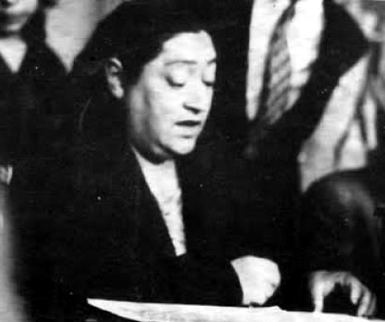
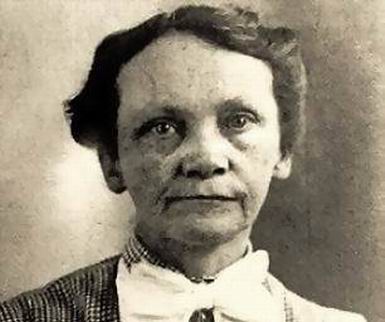
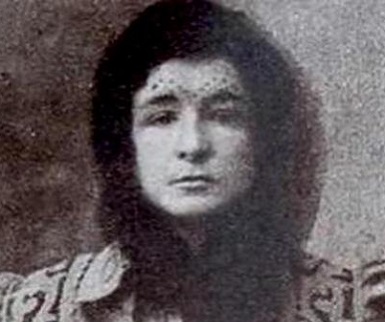
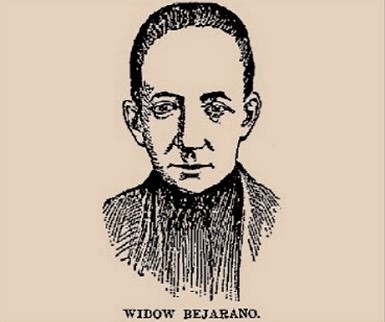
Guadalupe Martínez de Bejarano was a notorious figure in Porfirian-era Mexico City. A widow from a higher social stratum, she maintained a facade of respectability while harboring a deeply sadistic and predatory nature. Her criminal activities were characterized by organized planning and the exploitation of vulnerable, impoverished children.
2. Criminal Career and Modus Operandi
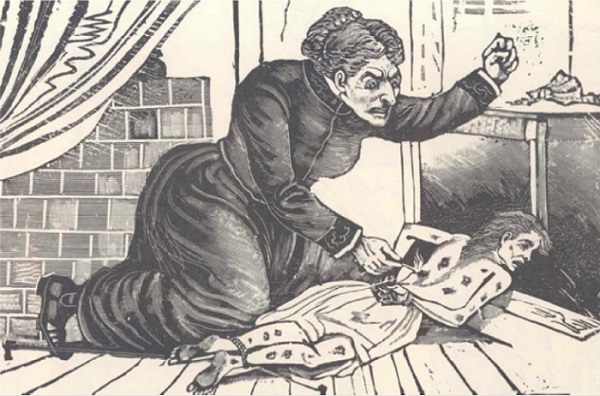
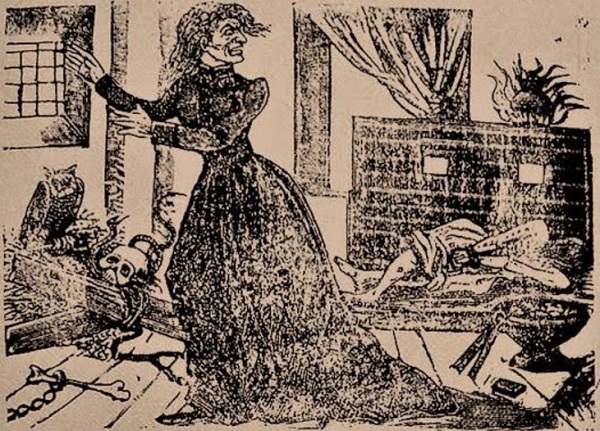
She lured young girls into her home under the pretense of providing domestic employment. Once inside, the victims were subjected to systematic torture. Her methods included whipping, suspending victims by their wrists, and the use of a heated brazier—a 'Roman chair'—to burn the victims' genitals and thighs. She derived sadistic pleasure from the suffering of these children, often watching them in agony while she sat nearby.
3. Investigation and Arrest
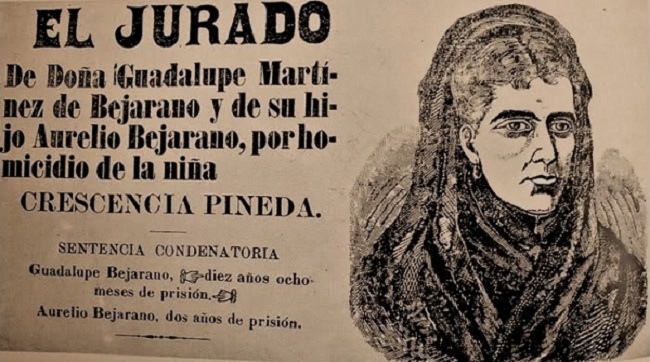
Following the death of Casimira Juárez in 1878, she served a prison sentence but returned to her criminal habits upon release. The investigation into the deaths of sisters Guadalupe and Crescencia Pineda in 1892 led to her final arrest. The testimony of her son, Aurelio Bejarano Martínez, proved instrumental in securing her conviction, as he detailed the horrific abuse occurring within the household.
4. Legal Proceedings and Outcome
Despite public outcry and demands for the death penalty, she was sentenced to 10 years and 8 months in prison. The trial was highly publicized, with illustrations by José Guadalupe Posada documenting the atrocities. She was incarcerated at the Belén prison, where she was kept in isolation due to the intense hostility from other inmates.
5. Forensic Conclusion
Guadalupe Martínez de Bejarano died of natural causes while in prison, never completing her sentence. Her case remains a significant study in 19th-century Mexican criminology, illustrating the intersection of social inequality and unchecked psychopathic behavior.