Forensic & Criminological Matrix
| Parameter | Forensic Detail |
|---|---|
| Forensic Heading / Aliases | None |
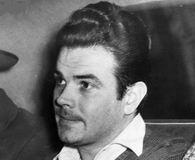
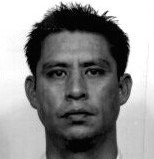
| Legal Identity | Leonel Torres Herrera |
| Confirmed Victims | 2 |
| Attributed / Indicted Victims | 2 |
| Active Timeline | 1981 |
| Jurisdiction / Area of Operations | Texas, USA |
| Criminological Classification | Cop killer / Homicide |
| Forensic Modus Operandi | Execution by firearm during traffic stop |
| Weapon / Mechanism of Death | Firearm |
| Motive / Behavioral Dynamics | Evasion of arrest |
| Judicial Outcome | Death penalty via lethal injection |
1. Background and Profile
Leonel Torres Herrera was the subject of a significant U.S. Supreme Court case, Herrera v. Collins. His case is noted for the legal debate surrounding the execution of individuals who claim actual innocence after conviction.
2. Crime Spree
On September 29, 1981, Herrera was stopped by Officer Enrique Carrisalez. During the encounter, Officer David Rucker and Officer Carrisalez were shot and killed. The prosecution successfully argued that Leonel Herrera was the shooter.
3. Investigation and Arrest
Following his conviction, Herrera's defense team attempted to introduce affidavits from 1984, including one from his brother Raul's attorney, claiming Raul had confessed to the murders before his own death. These claims were rejected by state courts.
4. Legal Proceedings and Outcome
In 1993, the U.S. Supreme Court held that federal habeas courts are not forums for retrying cases based on new evidence of innocence if the original trial was procedurally sound. Herrera was executed on May 12, 1993.