




Forensic & Criminological Matrix
| Parameter | Forensic Detail |
|---|---|
| Forensic Heading / Aliases | null |
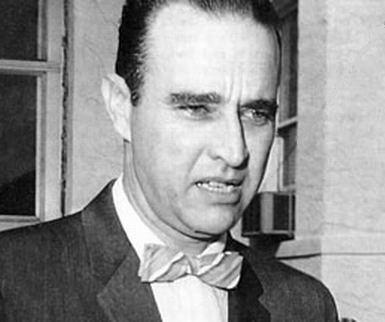
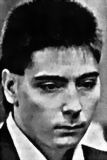
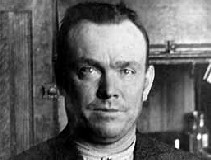
| Legal Identity | Henry Francis Hays |
| Confirmed Victims | 1 |
| Attributed / Indicted Victims | 1 |
| Active Timeline | 1981 |
| Jurisdiction / Area of Operations | Mobile, Alabama |
| Criminological Classification | Hate crime murderer / Klansman |
| Forensic Modus Operandi | Abduction, torture, throat slitting, and lynching |
| Weapon / Mechanism of Death | Tree limb, rope, and knife |
| Motive / Behavioral Dynamics | White supremacy and racial terrorism |
| Judicial Outcome | Death sentence, executed in 1997 |
1. Background and Profile
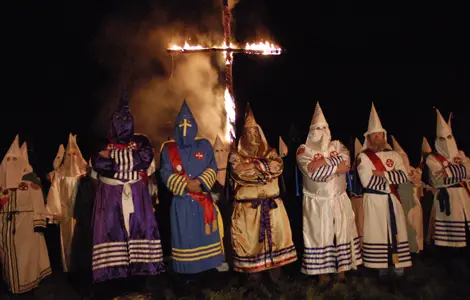
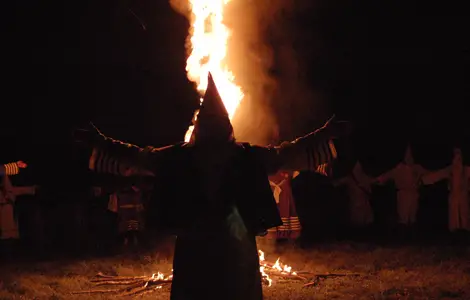
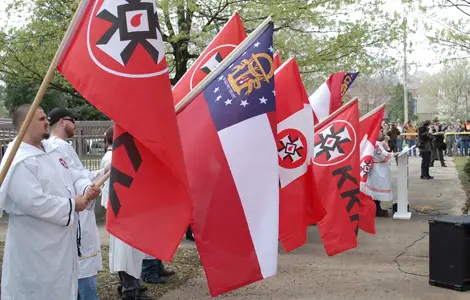
Henry Francis Hays was born in 1954 into a family deeply entrenched in the Ku Klux Klan ideology in Alabama. Raised under the abusive influence of his father, Bennie Jack Hays, a high-ranking KKK official, Henry was conditioned in an environment of extreme racial hatred. His involvement with the Klan was an extension of his upbringing, leading him to become an active enforcer of the organization's terror agenda.
2. Crime Spree
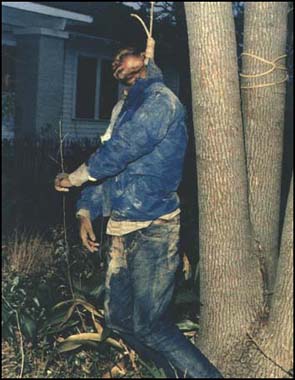
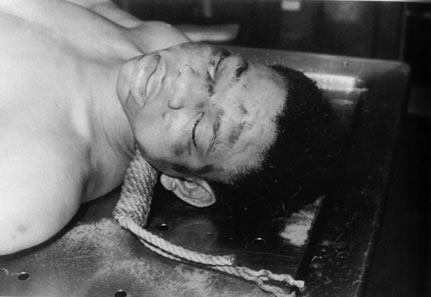
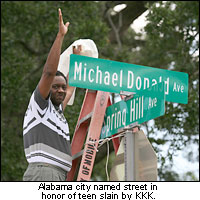
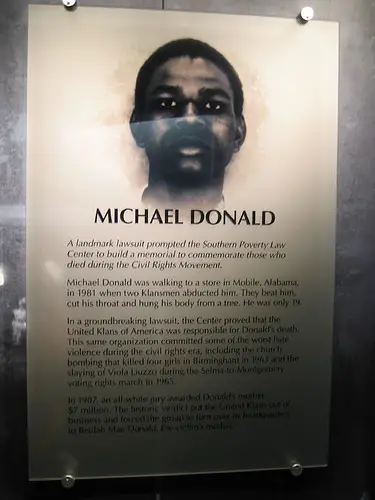
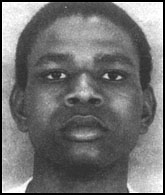
On March 21, 1981, following a hung jury in the trial of an African-American man accused of killing a white police officer, Hays and James Knowles sought to demonstrate Klan power. They randomly abducted 19-year-old Michael Donald in Mobile. They transported him to a remote location, where they beat him with tree limbs, slit his throat, and strangled him. The body was then hung from a tree to terrorize the local black community.
3. Investigation and Arrest
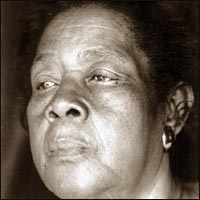
Local police initially dismissed the murder as a drug-related incident, a claim vehemently denied by the victim's mother, Beulah Mae Donald. Federal intervention, prompted by civil rights activists and the FBI, eventually broke the case. James Knowles turned state's evidence, providing the testimony that secured the conviction of Hays.
4. Legal Proceedings and Outcome
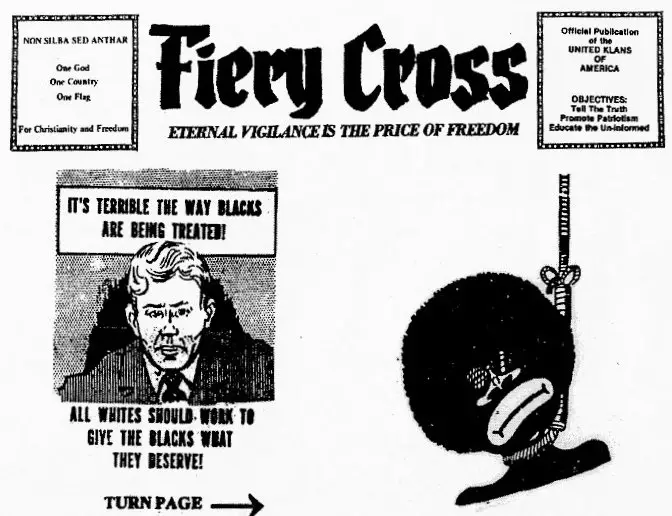
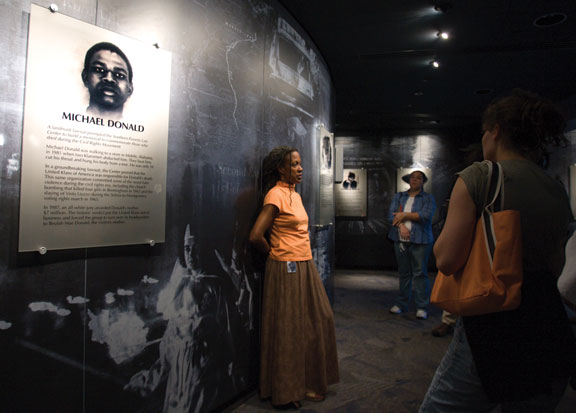
Henry Hays was convicted and sentenced to death in 1983. The case gained historical significance when the Southern Poverty Law Center filed a civil suit against the United Klans of America on behalf of Beulah Mae Donald. The $7 million verdict bankrupted the organization, effectively dismantling the Klan in Alabama.
5. Forensic Conclusion
After years on death row, Hays confessed to the details of the murder to Reverend Bob Smith shortly before his death. He was executed in the electric chair on June 6, 1997, becoming the first white person in Alabama to be executed for the murder of a black person since 1913.