Forensic & Criminological Matrix
| Parameter | Forensic Detail |
|---|---|
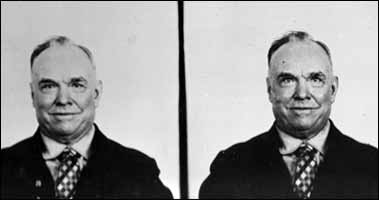
| Forensic Heading / Aliases | Harry Orchard, Tom Hogan |
| Legal Identity | Albert Edward Horsley |
| Confirmed Victims | 1 |
| Attributed / Indicted Victims | 1 |
| Active Timeline | 1905 |
| Jurisdiction / Area of Operations | Idaho, United States |
| Criminological Classification | Contract killer / Political terrorist |
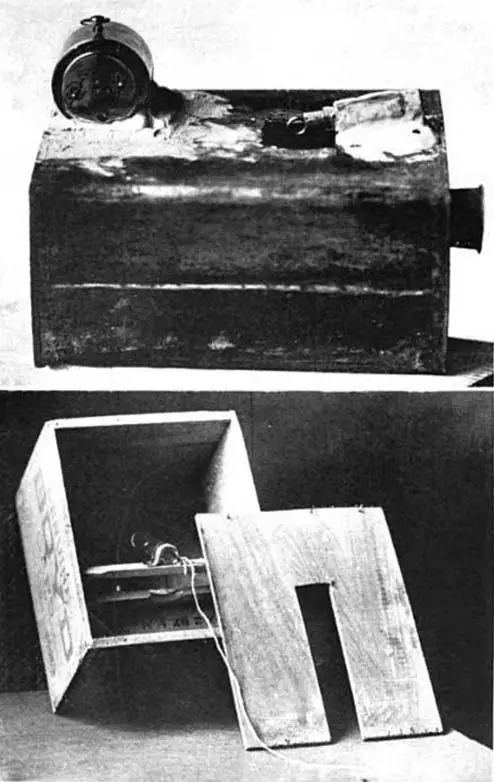
| Forensic Modus Operandi | Improvised explosive devices |
| Weapon / Mechanism of Death | High-power explosives |
| Motive / Behavioral Dynamics | Labor and political radicalism |
| Judicial Outcome | Life imprisonment |
1. Background and Profile
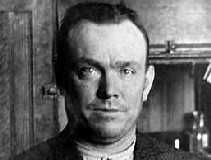
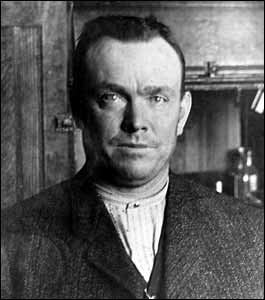
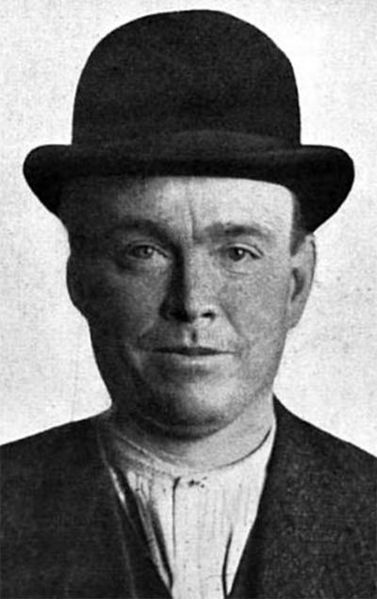
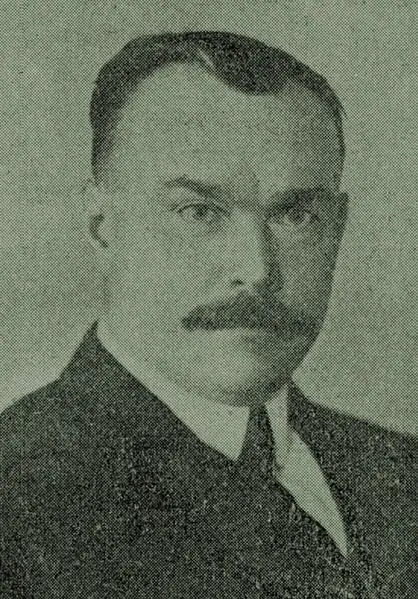
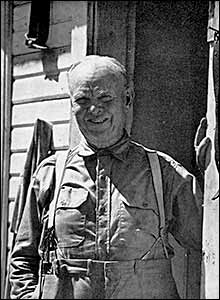
Albert Edward Horsley, widely known by his alias Harry Orchard, was a Canadian-born miner who became a central figure in the violent labor disputes of the early 20th-century American West. His involvement with radical elements of the Western Federation of Miners led him to transition from a laborer to a political assassin.
2. Crime Spree
Orchard's most infamous act was the assassination of former Idaho Governor Frank Steunenberg on December 30, 1905. He utilized a sophisticated time bomb placed at the victim's residence in Caldwell, Idaho. The explosion was fatal, marking a turning point in the legal battle between the state and labor unions.
3. Investigation and Arrest
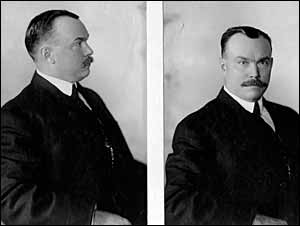
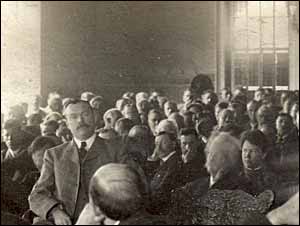
Pinkerton detective James McParland spearheaded the investigation. Through intense interrogation, McParland secured a comprehensive confession from Orchard, which implicated high-ranking union officials in a conspiracy to commit murder, leading to a series of high-profile trials.
4. Legal Proceedings and Outcome
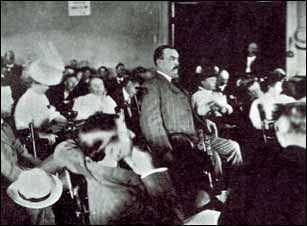
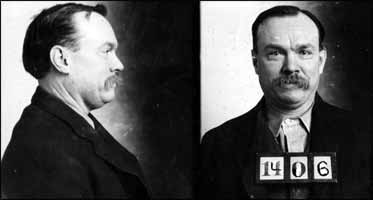
Orchard served as the prosecution's star witness. Despite the gravity of his crimes, his cooperation with the authorities resulted in the commutation of his death sentence to life imprisonment. He remained incarcerated at the Idaho State Penitentiary for the remainder of his life.
5. Psychiatric Assessment and Conclusion
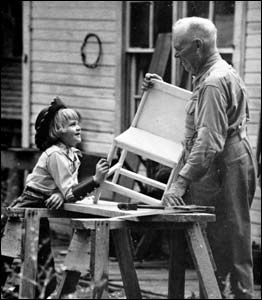
During his long incarceration, Orchard authored his autobiography, providing a detailed account of his criminal activities. He died in 1954, having spent nearly 50 years in prison, consistently expressing remorse for his role in the political violence of the era.