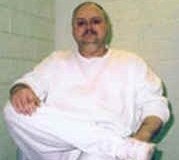
Forensic & Criminological Matrix
| Parameter | Forensic Detail |
|---|---|
| Forensic Heading / Aliases | N/A |
| Legal Identity | David Paul Hammer |
| Confirmed Victims | 1 |
| Attributed / Indicted Victims | 1 |
| Active Timeline | 1996 |
| Jurisdiction / Area of Operations | Allenwood Federal Penitentiary, Pennsylvania |
| Criminological Classification | Prison Homicide |
| Forensic Modus Operandi | Strangulation with homemade cord |
| Weapon / Mechanism of Death | Homemade cord |
| Motive / Behavioral Dynamics | Undetermined / Childhood trauma-induced personality disorder |
| Judicial Outcome | Death sentence (1998), commuted to life imprisonment (2014) |
1. Background and Profile
Born in Holdenville, Oklahoma, David Paul Hammer experienced a childhood defined by poverty and systemic abuse. His early life was transient, attending 21 schools before dropping out. His criminal career began in his teens, leading to multiple incarcerations for violent offenses, including kidnapping and armed assault.
2. Criminal Career and Modus Operandi
In April 1996, while held in the Special Housing Unit at the U.S. Penitentiary in Allenwood, Hammer murdered his cellmate, Andrew Marti, by strangling him with a homemade cord. The act was sudden and, according to Hammer, lacked a clear motive.
3. Investigation and Arrest
The crime occurred within a controlled environment, leading to a swift confession. Hammer initially waived his right to appeal but later engaged in a complex legal battle involving his death sentence.
4. Legal Proceedings and Outcome
Sentenced to death in 1998, Hammer's case saw a significant turn in 2005 when his conviction was vacated due to government Brady violations. In 2014, he was resentenced to life without parole. He spent his final years in federal custody until his death in 2019.
5. Behavioral Dynamics and Conclusion
During his time on death row, Hammer pursued academic interests in psychology and paralegal studies. He became a controversial figure due to his friendship with Oklahoma City bomber Timothy McVeigh, publishing two books on the subject. He died in 2019 while incarcerated.