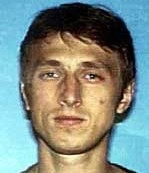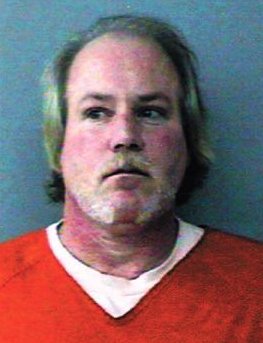



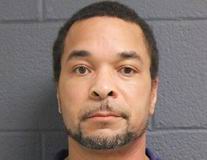
Forensic & Criminological Matrix
| Parameter | Forensic Detail |
|---|---|
| Forensic Heading / Aliases | None |
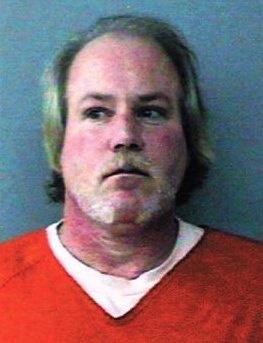
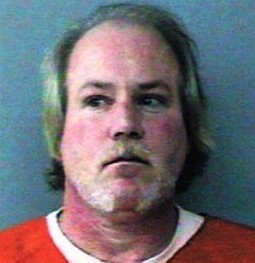
| Legal Identity | Scott Harlan Thorpe |
| Confirmed Victims | 3 |
| Attributed / Indicted Victims | 3 |
| Active Timeline | January 10, 2001 |
| Jurisdiction / Area of Operations | Nevada County, California |
| Criminological Classification | Mass Murderer |
| Forensic Modus Operandi | Active shooter in public and commercial settings |
| Weapon / Mechanism of Death | 9mm Ruger semi-automatic pistol |
| Motive / Behavioral Dynamics | Paranoid delusions, schizophrenia, and psychiatric decompensation |
| Judicial Outcome | Found incompetent to stand trial; committed to state psychiatric hospital |
1. Background and Profile
Scott Harlan Thorpe was born on April 1, 1960, in Sacramento, California. Prior to the 2001 incident, he lived a reclusive life on an 11-acre property in Smartville. Diagnosed with depression, anxiety, and agoraphobia, his mental health declined following a work-related injury. Neighbors described him as a quiet, gentle man who cared for sick animals, with no prior history of violent criminal behavior.
2. Crime Spree
On January 10, 2001, at approximately 11:30 a.m., Thorpe entered the Nevada County Behavioral Health Department in Nevada City. Armed with a 9mm Ruger pistol, he opened fire, killing Laura Wilcox and Pearlie Mae Feldman. Ten minutes later, he drove to a Lyon's Restaurant in Grass Valley, where he fatally shot manager Mike Markle, driven by a paranoid delusion that the restaurant was poisoning him.
3. Investigation and Arrest
The investigation concluded swiftly when Thorpe returned to his Smartville home. His brother, Sacramento Police Sergeant Kent Thorpe, negotiated his peaceful surrender that evening. Law enforcement recovered the murder weapon at his residence, which ballistics confirmed matched the evidence from the crime scenes.
4. Legal Proceedings and Outcome
Thorpe was charged with three counts of murder. Following psychiatric evaluations, the court determined he suffered from a severe mental disorder rendering him unable to stand trial. He was declared incompetent and committed to Atascadero State Hospital, later transferred to Napa State Hospital for long-term psychiatric care.
5. Legacy and Impact
The tragedy served as the catalyst for 'Laura's Law' (Assembly Bill 1421), named after victim Laura Wilcox. This legislation enables court-ordered assisted outpatient treatment for individuals with severe mental illness who are unable to manage their own care, aiming to prevent future acts of violence.