





Forensic & Criminological Matrix
| Parameter | Forensic Detail |
|---|---|
| Forensic Heading / Aliases | N/A |
| Legal Identity | Lawrence William Moore |
| Confirmed Victims | 4 |
| Attributed / Indicted Victims | 5 |
| Active Timeline | May 7, 1981 |
| Jurisdiction / Area of Operations | Salem, Oregon, USA |
| Criminological Classification | Mass Murderer |
| Forensic Modus Operandi | Indiscriminate armed attack in a public venue |
| Weapon / Mechanism of Death | Firearm |
| Motive / Behavioral Dynamics | Paranoid delusions / Mental disorder |
| Judicial Outcome | Life imprisonment |
1. Background and Profile
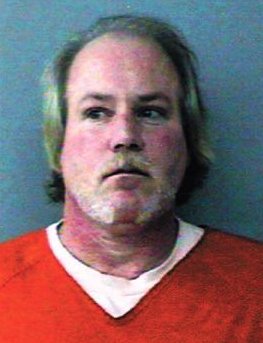
Lawrence William Moore, born circa 1961, had a clinical history characterized by neurological deficits and severe mental disorders. His psychological profile, documented during judicial proceedings, revealed a paranoid structure marked by the belief that he was the target of a global conspiracy. Moore held the delusional conviction that he was being poisoned by a "syndicate of millionaires, Jews, and criminals," which eventually triggered his violent behavior.
2. Crime Spree
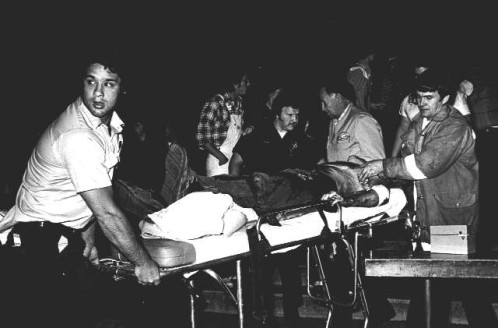
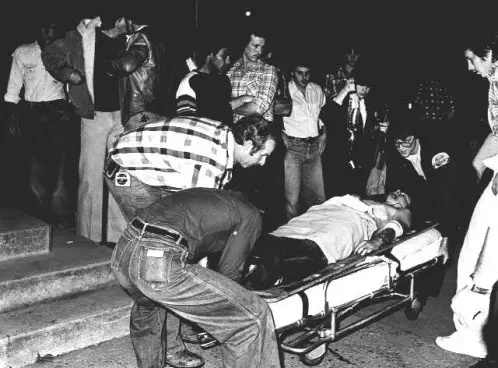
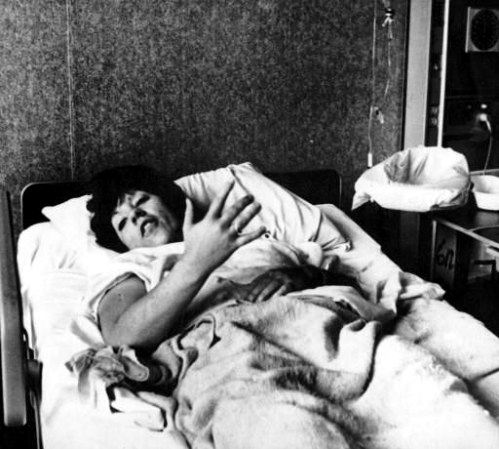
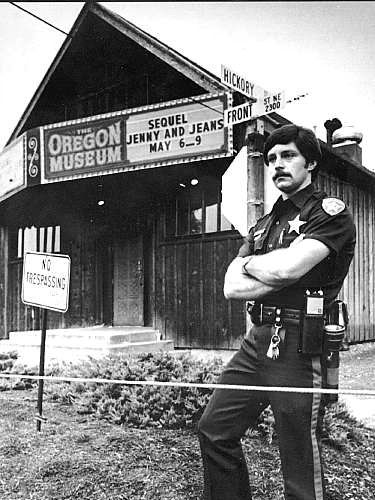
On May 7, 1981, Moore burst into the Oregon Museum Tavern in Salem, Oregon. Armed with a firearm, he initiated an indiscriminate shooting against patrons and staff. The attack, characterized by its speed and lethality, resulted in the immediate death of four individuals and left 19 others wounded. The modus operandi was that of an "active shooter" attack without prior selection of specific targets.
3. Investigation and Arrest
Police response was immediate following multiple emergency calls. Moore was apprehended at the crime scene, allowing for the rapid collection of ballistic evidence and eyewitness testimony. The investigation focused on determining his mental capacity at the time of the events, given his history of psychiatric instability.
4. Legal Proceedings and Outcome
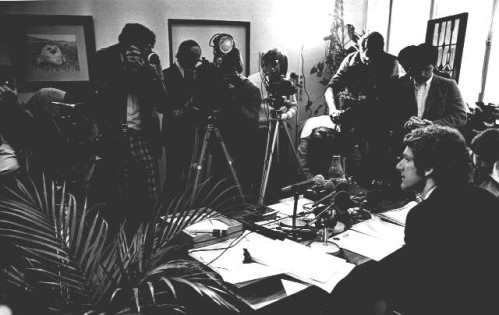
During the trial, the defense attempted to use Moore's case to deflect attention from other active criminals in the area, such as serial killer Randy Woodfield, suggesting that Moore might be responsible for other crimes. However, the court dismissed these maneuvers. Moore was convicted for his actions and sentenced to life imprisonment.
5. Psychiatric Evaluation and Conclusion
Forensic evaluation confirmed the presence of a severe mental pathology. Despite defense attempts to plead insanity, the judicial system determined his criminal responsibility. Moore remains in custody, serving as a case study on the intersection between mental health and mass violence in the United States.