




Forensic & Criminological Matrix
| Parameter | Forensic Detail |
|---|---|
| Forensic Heading / Aliases | The Butcher of Taroudant |
| Legal Identity | Abdelaâli Hadi |
| Confirmed Victims | 9 |
| Attributed / Indicted Victims | 9 |
| Active Timeline | 2000 - 2004 |
| Jurisdiction / Area of Operations | Taroudant, Morocco |
| Criminological Classification | Serial Killer |
| Forensic Modus Operandi | Kidnapping, sexual abuse, and homicide |
| Weapon / Mechanism of Death | Bladed weapons, blunt force, and asphyxiation |
| Motive / Behavioral Dynamics | Sadistic paraphilias and psychopathy |
| Judicial Outcome | Death sentence (imprisoned) |
1. Background and Profile
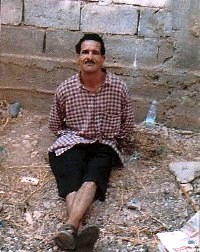
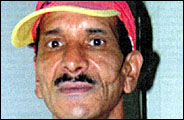
Abdelaâli Hadi, born in 1962 in Taroudant, Morocco, was identified by authorities as an individual exhibiting severe psychopathic traits. Described by police as a homeless man living near the crime scenes, Hadi operated with calculated coldness for four years, exploiting his anonymity to target vulnerable minors.
2. Criminal Career and Modus Operandi
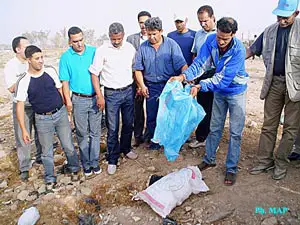
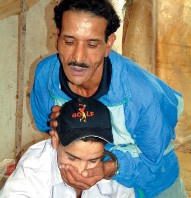
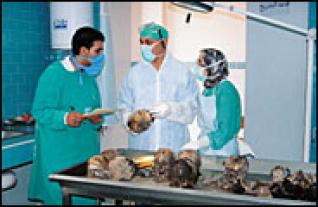
Hadi's modus operandi involved the kidnapping, sexual abuse, and subsequent murder of young males aged 11 to 16. He would mutilate the bodies, placing them in plastic bags before disposing of them in public dumps or near the Sidi Bou Dheb cemetery. Forensic reports, led by Said Louahlia of the Ibn Rochd Hospital in Casablanca, confirmed that victims suffered severe head trauma and extreme violence.
3. Investigation and Arrest
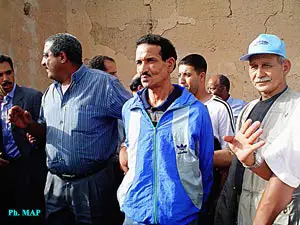
The investigation intensified in August 2004 following the discovery of the first bodies. Taroudant police successfully linked Hadi to the crimes after a series of interrogations, during which he confessed to the murder of nine children. His confession included details about exhuming some bodies to relocate them to public dumping grounds.
4. Legal Proceedings and Outcome
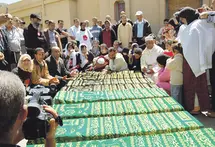
Following an 18-day instruction period, the case was brought before the Agadir appellate court. In December 2004, Hadi was sentenced to death. The court also sentenced three other individuals to prison for the rape of minors and failure to report a crime. Hadi was ordered to pay compensation to the victims' families and a symbolic amount to human rights organizations.
5. Psychiatric Evaluation and Conclusion
During the trial, Hadi displayed erratic behavior, stating he was waiting to be saved from his own mental torture. His case remains one of the most heinous in recent Moroccan criminal history, highlighting the vulnerability of minors in rural areas and the necessity for robust forensic protocols.