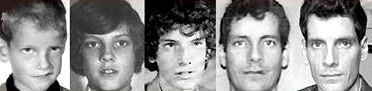
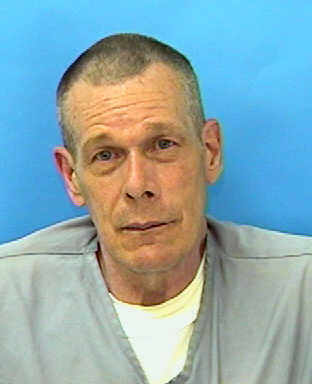
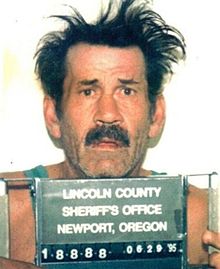
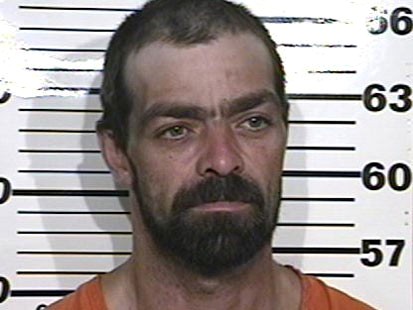
Forensic & Criminological Matrix
| Parameter | Forensic Detail |
|---|---|
| Forensic Heading / Aliases | Freight Train, Junior, Choo Choo |
| Legal Identity | William J. Guatney |
| Confirmed Victims | 3 |
| Attributed / Indicted Victims | 15 |
| Active Timeline | 1969-1981 |
| Jurisdiction / Area of Operations | United States (multiple states) |
| Criminological Classification | Transient serial killer |
| Forensic Modus Operandi | Predation of minors via railway travel |
| Weapon / Mechanism of Death | Unspecified (homicide) |
| Motive / Behavioral Dynamics | Psychopathy / Sexual predation |
| Judicial Outcome | Committed to a mental institution due to incompetence to stand trial |
1. Background and Profile
William J. Guatney was an American criminal whose criminal career was defined by his nomadic lifestyle. Known to law enforcement by his aliases 'Freight Train', 'Junior', and 'Choo Choo', Guatney lived a life of constant movement across the national railway network, which significantly hindered law enforcement efforts to track his activities for over a decade.
2. Criminal Career and Modus Operandi
Between 1969 and 1981, Guatney was linked to the disappearance and death of up to 15 young boys across four states. His modus operandi involved targeting minors near train stations or transit routes, leveraging his status as a drifter to evade local jurisdiction. Following his arrest, he confessed to three specific murders.
3. Investigation and Arrest
The investigation was complicated by the lack of a fixed geographic pattern. Law enforcement agencies had to coordinate efforts across multiple states to link the cases of missing boys with Guatney's movements. His statement, 'I’m two people. I can also be mean,' suggests a dissociation or a pathological justification for his actions.
4. Legal Proceedings and Outcome
Following his arrest, the judicial process was halted due to the defendant's mental state. He was evaluated by forensic experts who determined that he was unfit to stand trial. Consequently, he was committed to a mental institution, where he remained until his death in 1996.