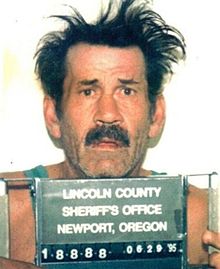
Forensic & Criminological Matrix
| Parameter | Forensic Detail |
|---|---|
| Forensic Heading / Aliases | null |
| Legal Identity | Bobby Jack Fowler |
| Confirmed Victims | 1 |
| Attributed / Indicted Victims | 20 |
| Active Timeline | 1973 - 1995 |
| Jurisdiction / Area of Operations | United States and Canada |
| Criminological Classification | Nomadic Serial Killer |
| Forensic Modus Operandi | Predatory hitchhiker targeting, strangulation |
| Weapon / Mechanism of Death | Manual or mechanical strangulation |
| Motive / Behavioral Dynamics | Sexual predation, sadism |
| Judicial Outcome | 16-year sentence; died in prison |
1. Background and Profile
Bobby Jack Fowler (1939-2006) was a Texas-born American serial killer and rapist. A transient construction worker, he traveled extensively across North America, including British Columbia, Florida, and Oregon. Fowler exhibited severe misogynistic tendencies, rationalizing his sexual assaults by claiming that women hitchhiking or visiting bars desired such violence. His criminal record spanned decades, including firearm offenses and attempted murder.
2. Crime Spree
Fowler is suspected of up to 20 murders. His modus operandi involved targeting vulnerable women, often hitchhikers, whom he would strangle and conceal in wooded areas. He is a primary suspect in the 'Highway of Tears' murders in British Columbia, with DNA evidence linking him to the 1974 murder of Colleen MacMillen.
3. Investigation and Arrest
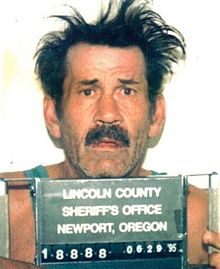
His criminal career was halted on June 28, 1995, in Newport, Oregon, after a victim escaped his captivity by jumping from a motel window. This led to his arrest and subsequent conviction, which provided investigators with the necessary leverage to link him to cold cases via DNA analysis.
4. Legal Proceedings and Outcome
In 1996, Fowler was convicted of kidnapping, attempted rape, and assault, receiving a 16-year prison sentence. While incarcerated, he remained a person of interest in numerous unsolved homicides until his death.
5. Forensic Conclusion
Fowler died of lung cancer on May 15, 2006, at the Oregon State Penitentiary, effectively ending the possibility of further criminal trials regarding his suspected victims.