



Forensic & Criminological Matrix
| Parameter | Forensic Detail |
|---|---|
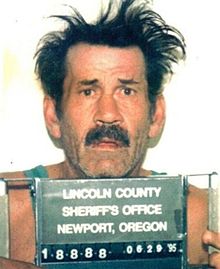
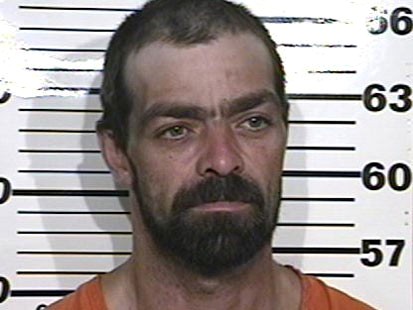
| Forensic Heading / Aliases | Stanley Everett Rice / The Highway Killer |
| Legal Identity | Stanley Everett Rice |
| Confirmed Victims | 2 |
| Active Timeline | 1974 - 1976 |
| Jurisdiction / Area of Operations | San Diego County, California, United States |
| Criminological Classification | Itinerant serial killer and sexual predator |
| Forensic Modus Operandi | Interception of vulnerable targets along secondary roads, physical subjugation, sexual assault, and homicide via mechanical asphyxiation |
| Weapon / Mechanism of Death | Manual strangulation and improvised ligatures |
| Motive / Behavioral Dynamics | Sadistic sexual deviance, pent-up aggression, and need for absolute dominance |
| Judicial Outcome | Convicted and sentenced to life imprisonment without the possibility of parole |
1. Background and Psychopathy
Stanley Everett Rice was born in June 1940 in California. His early life was characterized by family instability and severe disciplinary episodes. Throughout his youth, he developed an antisocial behavioral pattern marked by impulsivity, an inability to maintain stable employment, and a growing resentment toward authority. Subsequent psychological evaluations revealed a profile dominated by antisocial personality traits alongside severe paraphilic disorders.
2. Crime Spree and Modus Operandi
Rice's modus operandi involved patrolling remote areas and secondary highways in Southern California looking for vulnerable individuals, frequently hitchhikers or late-night pedestrians. He used his vehicle to lure or forcibly abduct victims, transferring them to isolated locations where he committed sexual assaults before ending their lives through mechanical asphyxiation. His ability to suppress forensic evidence during the initial phases of his criminal career allowed him to evade detection temporarily.
3. Investigation and Forensic Pursuit
The investigation gained momentum in the mid-1970s following the discovery of several bodies exhibiting similar injury patterns in rural areas of San Diego County. Forensic teams gathered physical evidence and fragmentary testimonies from partial survivors and witnesses who placed a suspicious vehicle near the crime scenes. Inter-agency coordination ultimately established a behavioral and geographical profile pointing toward a mobile predator.
4. Arrest and Trial
Stanley Everett Rice was apprehended in 1976 following a police operation linking his vehicle and physical forensic evidence to the crime scenes. During interrogations, he attempted to deny the charges, but fingerprint, ballistic, and expert testimony presented by the prosecution proved overwhelming. The trial concluded with his conviction on multiple counts of murder and sexual assault, resulting in a life sentence.
5. Psychiatric Evaluation and Outcome
Forensic psychiatrists concluded that Rice suffered from chronic psychopathy with no potential for effective rehabilitation. He was incarcerated in a maximum-security prison in California, where he remained for decades until his death from natural causes in November 2010, thereby closing one of the darker chapters of California's criminal history.