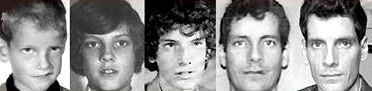
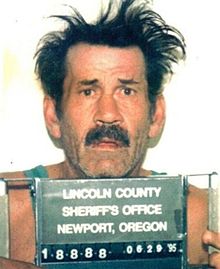
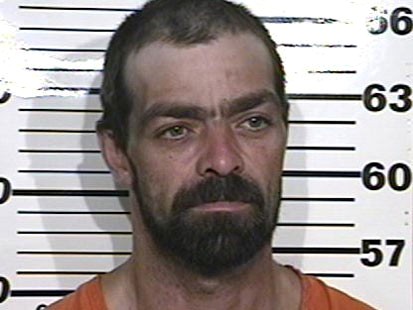
Forensic & Criminological Matrix
| Parameter | Forensic Detail |
|---|---|
| Forensic Heading / Aliases | Bert |
| Legal Identity | Bertram Greenberg |
| Confirmed Victims | 3 |
| Attributed / Indicted Victims | 4 |
| Active Timeline | February 1971 |
| Jurisdiction / Area of Operations | California, Arizona, New Mexico |
| Criminological Classification | Spree Killer / Fugitive |
| Forensic Modus Operandi | Summary execution of law enforcement officers during traffic stops |
| Weapon / Mechanism of Death | Firearm (handgun) |
| Motive / Behavioral Dynamics | Evasion of justice |
| Judicial Outcome | Deceased in shootout |
1. Background and Profile
Bertram Greenberg (1932–1971) was an American criminal whose violent spree in February 1971 resulted in the deaths of two law enforcement officers. He was a primary suspect in the rape and murder of a 13-year-old girl in California, which triggered his flight across state lines.
2. Crime Spree
On February 7, 1971, Greenberg was stopped by Officer James L. Keeton on Interstate 40. During the encounter, Greenberg gained control of Keeton's service weapon and shot him to death. Shortly thereafter, he encountered Officer Don A. Beckstead during another traffic stop and shot him as well. Officer Beckstead succumbed to his injuries two days later at a hospital in Gallup, New Mexico. Greenberg also kidnapped and murdered a civilian during the ensuing pursuit.
3. Investigation and Arrest
Law enforcement agencies in New Mexico initiated a high-stakes manhunt. The rapid escalation of violence necessitated an immediate response from state authorities to prevent further casualties.
4. Legal Proceedings and Outcome
Greenberg was shot and killed by New Mexico authorities during the final confrontation, effectively ending the investigation without a trial.
5. Behavioral Analysis
Greenberg exhibited a high degree of reactive violence, prioritizing his freedom over the lives of others, including law enforcement personnel. His actions were consistent with a desperate fugitive attempting to avoid capture for capital offenses.