Forensic & Criminological Matrix
| Parameter | Forensic Detail |
|---|---|
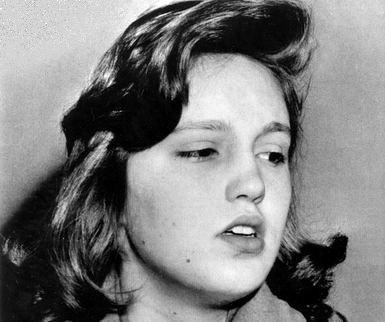
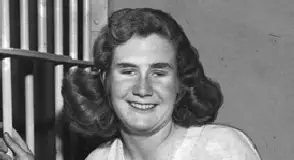
| Forensic Heading / Aliases | Gina Grant |
| Legal Identity | Gina Grant |
| Confirmed Victims | 1 (Dorothy Mayfield, mother) |
| Active Timeline | September 13, 1990 |
| Jurisdiction / Area of Operations | Lexington, South Carolina, United States |
| Criminological Classification | Juvenile parricide / Domestic conflict homicide |
| Forensic Modus Operandi | Blunt force trauma via crystal candlestick, followed by staged suicide attempt using a kitchen knife |
| Weapon / Mechanism of Death | Crystal candlestick and kitchen knife |
| Motive / Behavioral Dynamics | Abusive domestic environment and severe maternal alcoholism |
| Judicial Outcome | Nolo contendere plea to voluntary manslaughter; sentenced to one year in juvenile detention and probation until age 18 |
1. Background and Profile
Gina Grant was raised in Lexington, South Carolina, the daughter of Charles Grant and Dorothy Mayfield. Following her father's death from lung cancer when she was eleven years old, her household deteriorated significantly. Her mother struggled with chronic alcoholism, creating a volatile domestic environment marked by severe tension and allegations of physical abuse—claims later corroborated by Grant's older sister.
2. Crime Spree
On September 13, 1990, inside their Lexington residence, a violent altercation erupted between 14-year-old Grant and her mother. Grant bludgeoned her mother thirteen times with a crystal candlestick, causing fatal skull fractures.
In an attempt to conceal the homicide, Grant cleaned bloodstains from the kitchen floor, hid the weapon and bloody materials, and tried to stage the scene as a suicide by placing a carving knife against her mother's neck and wrapping her fingers around the handle. Initially providing conflicting accounts to law enforcement, she later maintained she acted in self-defense.
3. Investigation and Arrest
Lexington County law enforcement quickly identified Grant as the perpetrator. Due to immediate disclosures by local authorities, the case entered the public sphere despite juvenile confidentiality laws. Forensic investigators easily dismantled the staged suicide theory through physical evidence analysis, leading to her arrest and formal charges of murder.
4. Legal Proceedings and Outcome
In juvenile court, mitigating evidence highlighted the history of domestic abuse and alcoholism. Grant entered a plea of no contest (nolo contendere) to voluntary manslaughter. She received a sentence of one year in juvenile detention, followed by probation until her eighteenth birthday.
5. Psychological Assessment and Aftermath
Upon completing her sentence and turning eighteen, Grant's juvenile records were sealed. She relocated to Cambridge, Massachusetts, where she excelled academically. In January 1995, her acceptance to Harvard University sparked national controversy after an anonymous tip and media exposure revealed her past. Harvard and several other universities rescinded their offers, igniting a fierce public debate regarding juvenile rehabilitation, privacy, and institutional forgiveness. Grant ultimately matriculated at Tufts University.