



Forensic & Criminological Matrix
| Parameter | Forensic Detail |
|---|---|
| Forensic Heading / Aliases | John Gilbert Graham |
| Legal Identity | John Gilbert Graham |
| Confirmed Victims | 44 |
| Attributed / Indicted Victims | 44 |
| Active Timeline | 1955 |
| Jurisdiction / Area of Operations | Colorado, United States |
| Criminological Classification | Mass Murderer |
| Forensic Modus Operandi | Aerial sabotage via Improvised Explosive Device (IED) |
| Weapon / Mechanism of Death | Dynamite, timer, and electric detonator |
| Motive / Behavioral Dynamics | Financial gain (insurance) and filial resentment |
| Judicial Outcome | Death sentence; executed via gas chamber |
1. Background and Profile
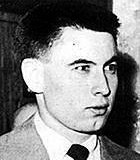
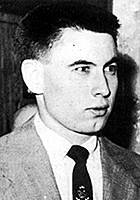
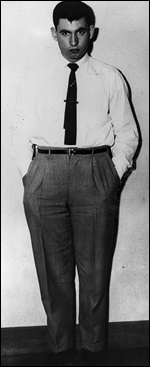
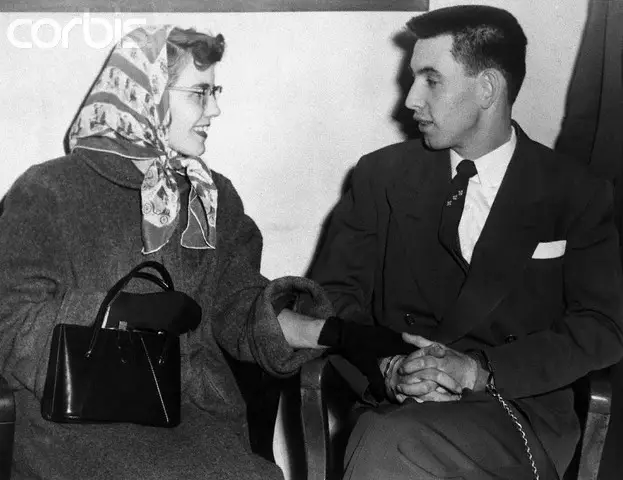
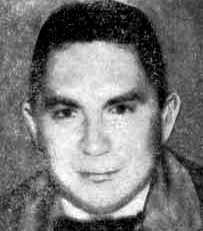
John Gilbert Graham was born on January 23, 1932, in Denver, Colorado. His criminal record included forgery charges in 1951, for which he was placed on probation. His relationship with his mother, Daisie E. King, was characterized by financial disputes and deep-seated resentment. Graham possessed technical knowledge of explosives from his time in the Coast Guard and previous employment.
2. Crime Spree
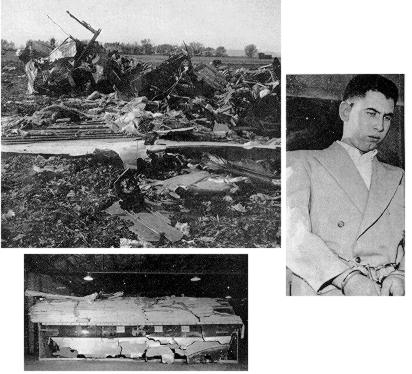
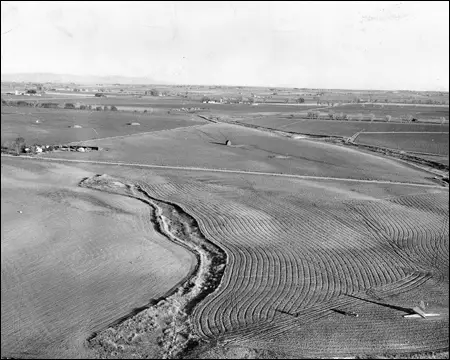
On November 1, 1955, Graham planted a time bomb in his mother's suitcase as she boarded United Airlines Flight 629 at Stapleton Airport. The device, consisting of 25 sticks of dynamite, a timer, and a battery, detonated 11 minutes after takeoff, causing the Douglas DC-6B to explode over Longmont, Colorado. All 44 passengers and crew were killed.
3. Investigation and Arrest
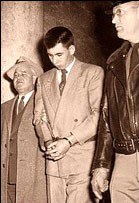
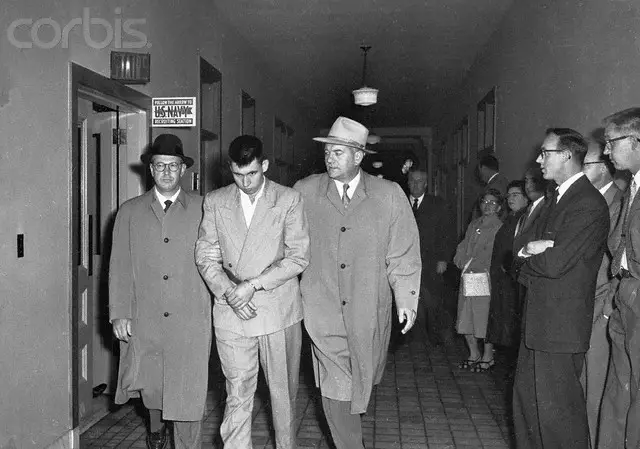
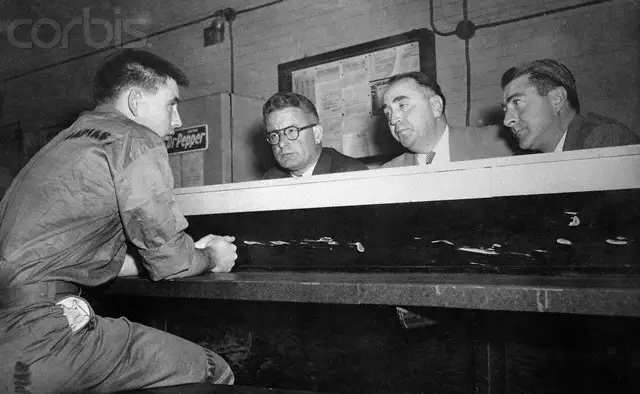
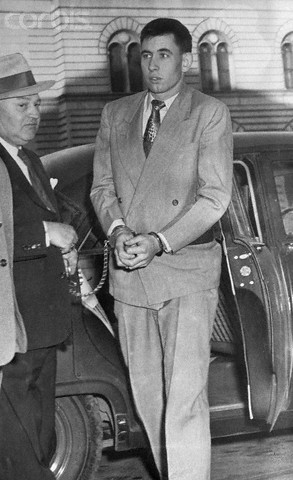
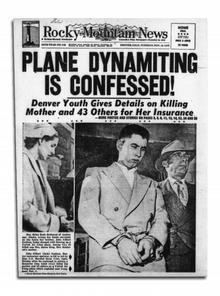
FBI investigators identified dynamite residue in the wreckage. The discovery of life insurance policies naming Graham as the beneficiary, purchased by his mother shortly before the flight, led to his arrest. Confronted with physical evidence and inconsistencies in his statements, Graham confessed to the bombing on November 13, 1955.
4. Legal Proceedings and Outcome
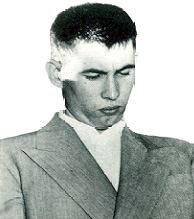
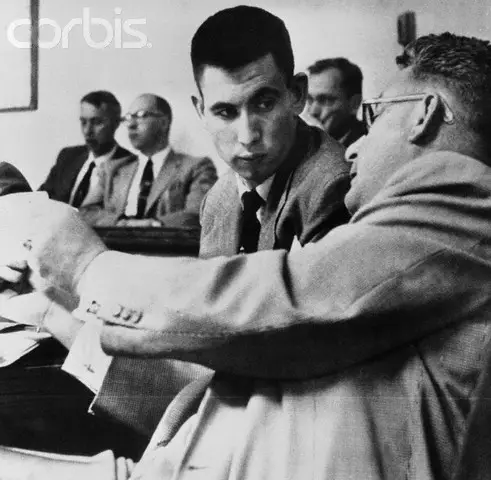
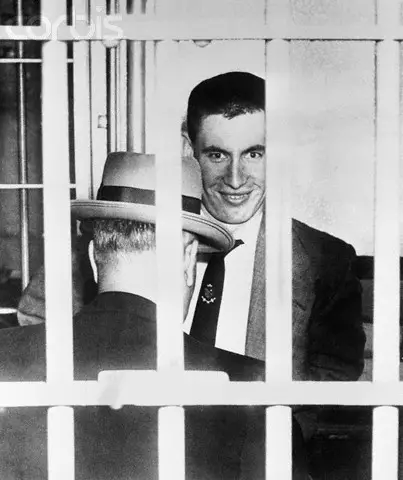
Graham was charged with the murder of his mother, as no federal statute for aerial sabotage existed at the time. The trial was notable for being the first to allow television cameras in a Colorado courtroom. Despite defense claims of insanity, psychiatric evaluations deemed him fit to stand trial. He was found guilty and sentenced to death.
5. Psychiatric Evaluation and Execution
Graham remained remorseless throughout his incarceration, famously stating that the number of victims was irrelevant to him. He was executed by lethal gas at the Colorado State Penitentiary on January 11, 1957.