

Forensic & Criminological Matrix
| Parameter | Forensic Detail |
|---|---|
| Full Legal Names | Delfina González Valenzuela and María de Jesús González Valenzuela |
| Historical Collective Alias | Las Poquianchis |
| Date & Place of Birth | c. 1910 / 1915, El Salto, Jalisco, Mexico |
| Final Legal Standing | Convicted to 40 years’ maximum imprisonment; both deceased (Delfina died in 1968 custody) |
| Jurisdiction / Venue | San Francisco del Rincón and Purísima del Rincón, Guanajuato, Mexico |
| Confirmed Victims | 91 bodies recovered forensically from clandestine graves (80 female captives/infants and 11 clients/laborers) |
| Suspected Victims | 150+ based on investigative assessments by Guanajuato State Prosecutors |
| Operational Period | 1950 – January 1964 |
| Mechanisms of Death | Mechanical asphyxiation, deliberate severe starvation, blunt-force trauma, and chemical poisoning |
| Primary Criminal Charges | Human trafficking, aggravated unlawful deprivation of liberty, clandestine burial, and murder |
| Sentencing Authority | Criminal Court of First Instance, State of Guanajuato |
Criminal Syndicate and Recruitment Dynamics
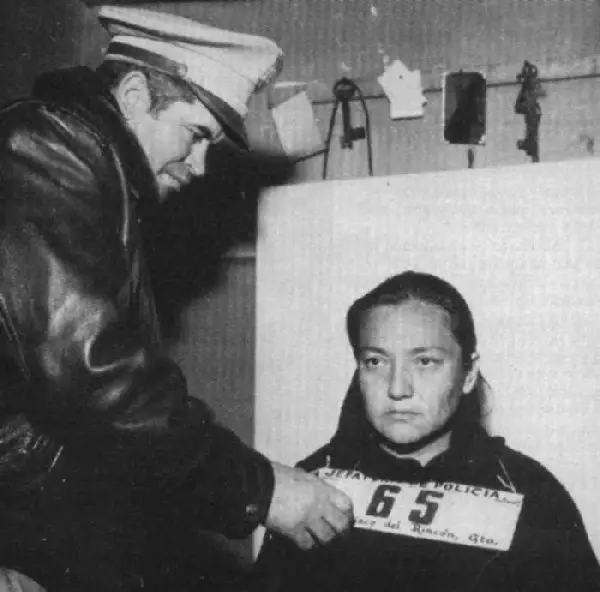
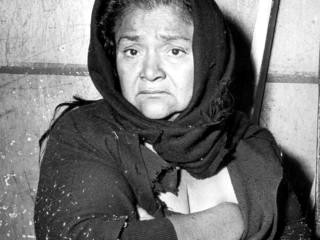
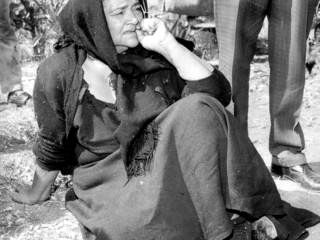
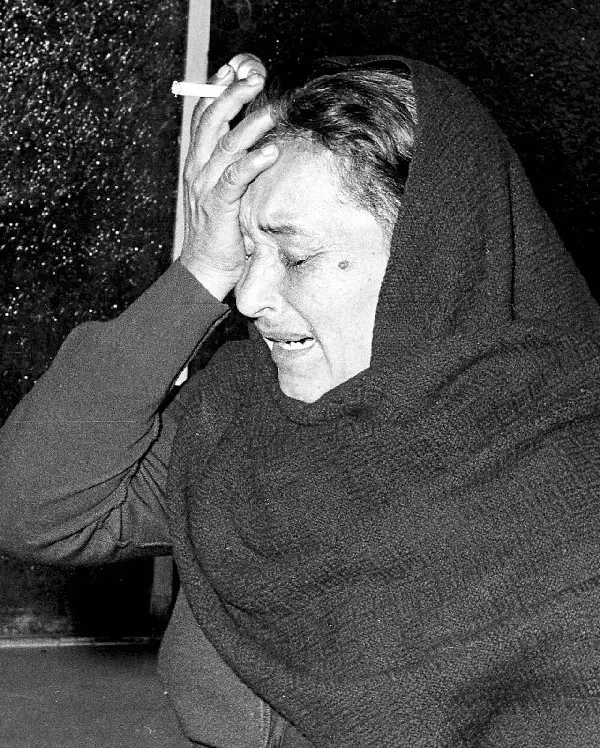
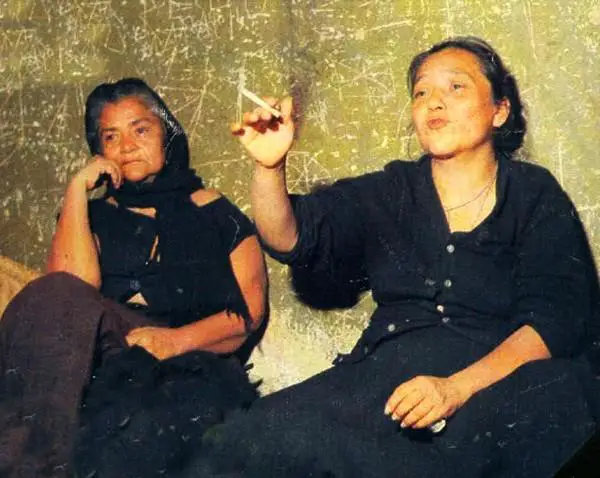
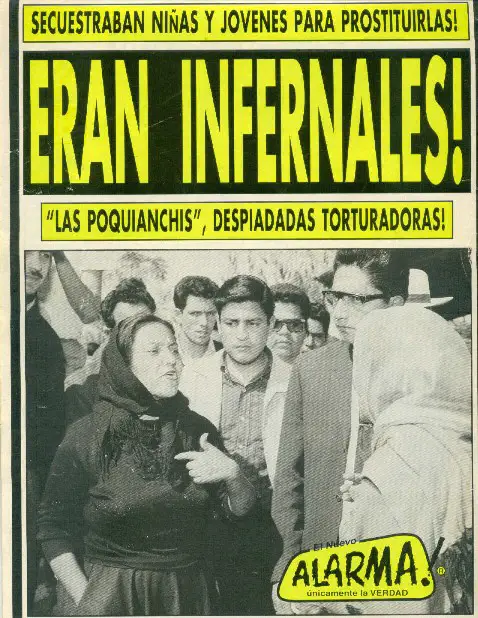
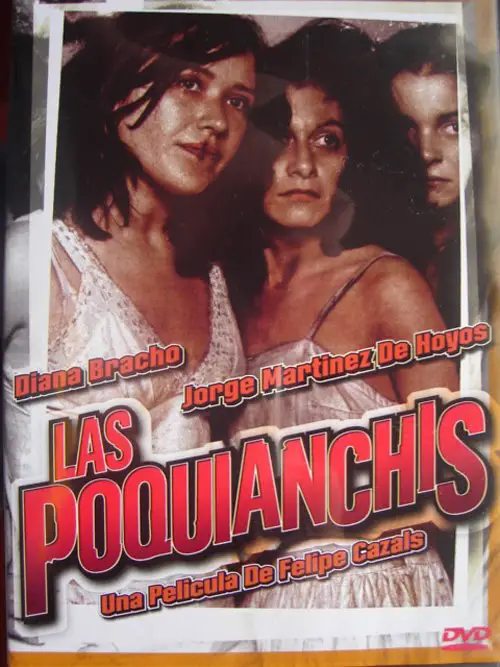
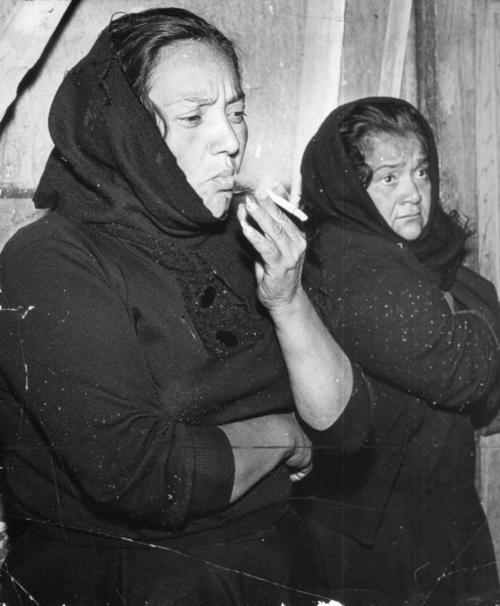
Delfina and María de Jesús González Valenzuela, infamous in international criminological history as "Las Poquianchis," orchestrated one of the largest and most lethal human trafficking and serial homicide networks in 20th-century Latin America. Supported by sisters Carmen and María Luisa, they established a network of clandestine brothels in Jalisco and Guanajuato beginning in the early 1950s, centered at their "Guadalajara de Noche" compound in San Francisco del Rincón.
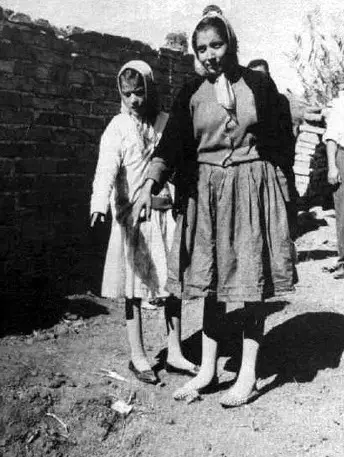
Victims were recruited from impoverished rural villages through regional scouts who offered agricultural families fraudulent promises of domestic employment for their young daughters. Upon arrival, the victims were stripped of personal identification, subjected to armed captivity, physical brutality, and forced into commercial sex under an artificially constructed debt system.
Systematic Extermination and Clandestine Excavations
Lethal violence was deployed systematically to eliminate non-compliant or incapacitated captives. Women who contracted debilitating illnesses, attempted escape, or became pregnant were sequestered in windowless isolation cells, starved, or murdered through manual strangulation, blunt trauma, or ingestion of toxic agricultural chemicals. Newborns resulting from forced encounters were similarly murdered and buried secretly across the syndicate's properties.
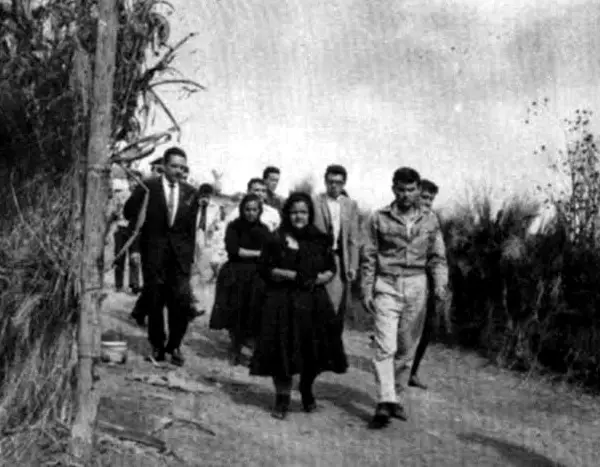
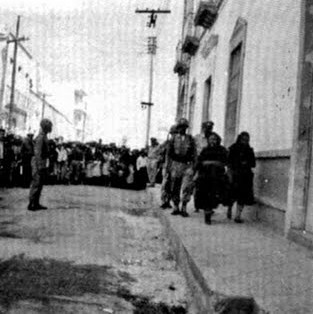
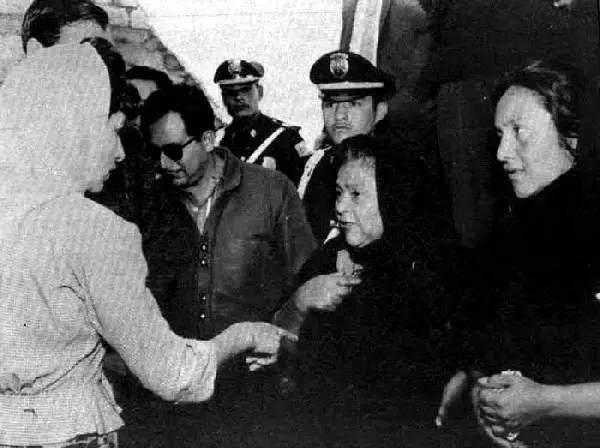
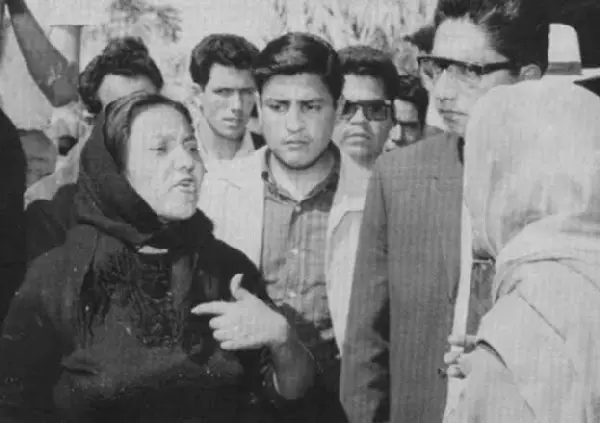
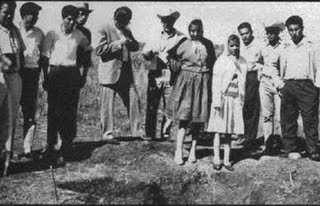
The criminal operation collapsed in January 1964 when captive Catalina Ortega successfully escaped and filed an urgent formal complaint with authorities in León, Guanajuato. State and federal law enforcement searched the syndicate’s properties, notably Rancho La Loma in Purísima del Rincón. Forensic archaeological teams unearthed multiple mass graves containing ninety-one skeletons and decomposed remains, establishing the scope of their decade-long predatory enterprise.
Criminal Trial and Prison Outcome
The ensuing judicial proceedings captivated the Mexican public and exposed systemic corruption among municipal police officers and political officials who had accepted financial kickbacks to protect the syndicate from regulatory intervention.
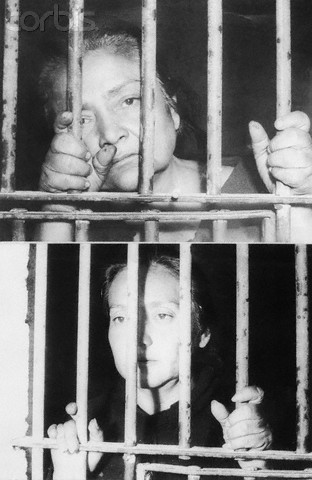
In October 1964, the Guanajuato penal court convicted the González sisters of aggravated murder, illicit burial, corruption of minors, and human trafficking. The presiding judge imposed Mexico's statutory maximum sentence of forty years’ imprisonment at the Irapuato correctional facility. Delfina González died in October 1968 after sustaining fatal cranial trauma from a falling bucket during structural masonry repairs at the prison. María de Jesús completed her full term and died years following her eventual release.