


Forensic & Criminological Matrix
| Parameter | Forensic Detail |
|---|---|
| Forensic Heading / Aliases | Silvia Meraz / Leader of the 'Sect of Nacozari' |
| Legal Identity | Silvia Meraz Moreno |
| Confirmed Victims | 3 |
| Active Timeline | 2009 - 2012 |
| Jurisdiction / Area of Operations | Nacozari de García, Sonora, Mexico |
| Criminological Classification | Cult-based serial killer / Religious extremist |
| Forensic Modus Operandi | Psychological manipulation of family members and acquaintances to subject them to ritual human sacrifices dedicated to Santa Muerte. |
| Weapon / Mechanism of Death | Edged weapons and blunt force trauma during clandestine rituals. |
| Motive / Behavioral Dynamics | Religious fanaticism, delusional systems, and syncretic death worship. |
| Judicial Outcome | Convicted and imprisoned for multiple aggravated homicides linked to ritual practices. |
1. Background and Psychopathy
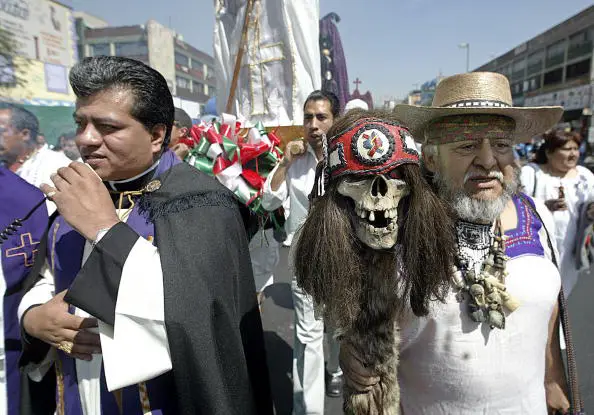
Silvia Meraz Moreno rose to prominence in the mining town of Nacozari de García, Sonora, Mexico, establishing a tyrannical matriarchal authority that gradually morphed into a dangerous religious sect. Exploiting local syncretic beliefs, Meraz positioned herself as a direct medium of death deities, exercising absolute psychological control over her domestic and social sphere.
2. Crime Spree
Between 2009 and 2012, Meraz orchestrated and executed at least three documented ritualistic murders. Her operational pattern relied on selecting victims—frequently from her own extended family or close acquaintances—under the delusional conviction that their lives were required as human sacrifices to appease or petition the Santa Muerte. The ceremonies involved extreme physical violence and strict secrecy.
3. Investigation and Law Enforcement Pursuit
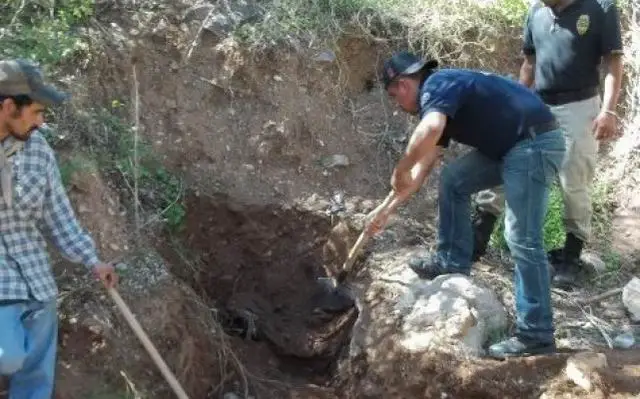
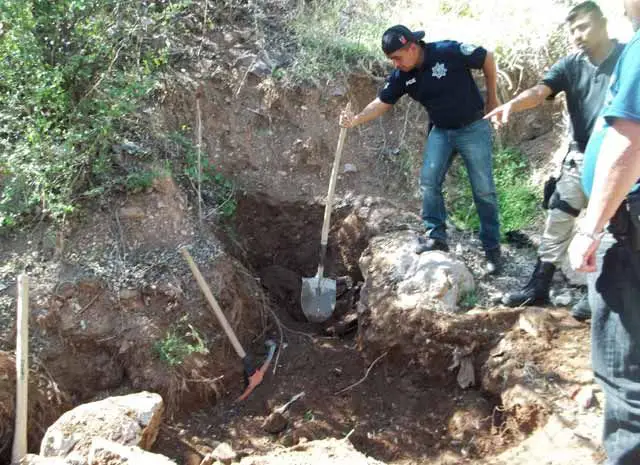
Concerns grew as multiple locals vanished in Nacozari de García, prompting intense scrutiny from state investigators. Forensic searches ultimately led authorities to clandestine burial sites connected to Meraz's properties. The recovery of human remains and physical evidence shattered the cult's attempts to disguise the murders as voluntary disappearances.
4. Legal Proceedings and Outcome
Meraz's arrest dismantled a deeply entrenched extremist network. Throughout the judicial process, prosecutors presented compelling forensic evidence, including DNA profiling, skeletal remains, and testimonies from coerced accomplices. She was found guilty of aggravated homicide and ritual-related crimes, securing a decisive prison sentence.
5. Psychiatric Evaluation and Final Assessment
Forensic psychiatric evaluations characterized Meraz as possessing strong messianic delusions, complete lack of remorse, and deep-seated immersion in extremist death cults. Her case stands as a chilling case study of how religious syncretism can be weaponized by charismatic psychopaths to commit ritualistic atrocities.