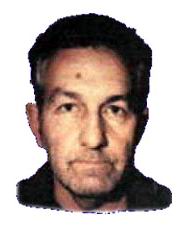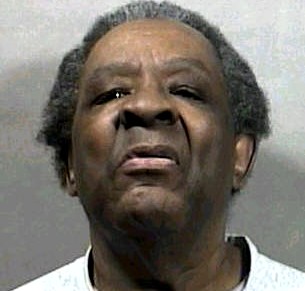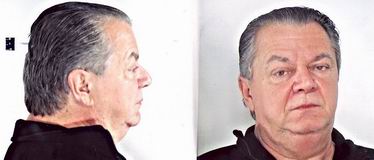
Forensic & Criminological Matrix
| Parameter | Forensic Detail |
|---|---|
| Forensic Heading / Aliases | Jesse Sitting Crow, Butcher Knife Billy |
| Legal Identity | Billy Richard Glaze |
| Confirmed Victims | 3 |
| Attributed / Indicted Victims | 50 |
| Active Timeline | 1986-1987 |
| Jurisdiction / Area of Operations | Minneapolis, Minnesota, USA |
| Criminological Classification | Serial Killer |
| Forensic Modus Operandi | Blunt force trauma using crowbars and nightsticks |
| Weapon / Mechanism of Death | Crowbar, nightstick, physical force |
| Motive / Behavioral Dynamics | Sexual violence and sadistic aggression |
| Judicial Outcome | Life imprisonment (later challenged by DNA evidence) |
1. Background and Profile
Billy Richard Glaze was born in 1943. His criminal history included a 1974 rape conviction, establishing a pattern of sexual violence. His psychological profile indicated a predatory nature that escalated into lethal violence.
2. Criminal Career and Modus Operandi
Glaze was linked to a series of murders in Minneapolis during the late 1980s. He targeted women, utilizing blunt instruments found in his truck. While he was accused of up to 50 murders across multiple states, his legal conviction was based on three specific cases in Minnesota.
3. Investigation and Arrest
Glaze was apprehended on August 31, 1987, during a DUI stop. A search of his vehicle revealed a blood-stained shirt, a crowbar, and a nightstick. Forensic analysis of hair samples recovered from the crowbar became the cornerstone of the prosecution's case.
4. Legal Proceedings and Outcome
Glaze was convicted and sentenced to life in prison. Throughout his incarceration, he provided conflicting accounts, at times boasting about killing over twenty women, while consistently maintaining his innocence in formal interviews.
5. Forensic Review and Conclusion
In the years following his conviction, the integrity of the original forensic evidence was questioned. DNA testing excluded Glaze from key evidence, pointing toward other potential perpetrators. Glaze died in prison in 2015, leaving a legacy of judicial controversy.