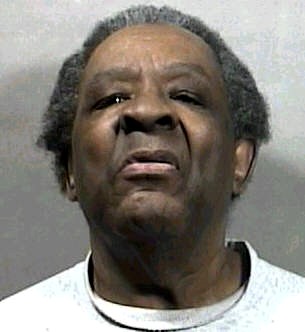





Forensic & Criminological Matrix
| Parameter | Forensic Detail |
|---|---|
| Forensic Heading / Aliases | Duke |
| Legal Identity | Leroy Snyder |
| Confirmed Victims | 7 |
| Attributed / Indicted Victims | 7 |
| Active Timeline | February - September 1969 |
| Jurisdiction / Area of Operations | Camden, New Jersey, USA |
| Criminological Classification | Serial killer |
| Forensic Modus Operandi | Robbery, physical assault, rape, and homicide with edged weapons |
| Weapon / Mechanism of Death | Knife / Throat slashing and blunt force trauma |
| Motive / Behavioral Dynamics | Malignant psychopathy, robbery, and sexual gratification |
| Judicial Outcome | Three consecutive life sentences |
1. Background and Profile
Born in 1931, Leroy Snyder was a junkyard laborer with a criminal history involving armed robbery. Forensic experts described him as a "malignant psychopath" and a severe threat to public safety. His criminal trajectory demonstrated a rapid escalation in violence, targeting individuals within his immediate social circle.
2. Crime Spree
Between February and September 1969, Snyder committed seven murders in Camden, New Jersey. His modus operandi involved targeting friends and acquaintances, primarily motivated by robbery. In several instances, female victims were subjected to sexual assault before being killed. The murders were characterized by extreme brutality, involving severe beatings and the use of knives to slash the victims' throats.
3. Investigation and Arrest
Law enforcement focused on Snyder following the murder of 58-year-old Gertrude Friedman, who was attacked in her home and linoleum shop. Forensic evidence and investigative work linked Snyder to six additional homicides committed during the same timeframe. He was apprehended on September 11, 1969.
4. Legal Proceedings and Outcome
On July 10, 1970, Snyder confessed to all seven murders. By pleading no defense to the seven counts of homicide, he successfully avoided the death penalty. On July 16, 1970, he was sentenced to three consecutive life terms, with a minimum of 43 years and six months required before parole eligibility.
5. Psychiatric Evaluation and Death
Presiding judges, citing court-ordered psychiatric reports, labeled Snyder a danger to society. He remained in custody for the duration of his sentence, eventually dying in prison in October 2001.