




Forensic & Criminological Matrix
| Parameter | Forensic Detail |
|---|---|
| Forensic Heading / Aliases | None |
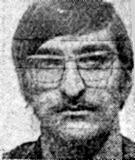
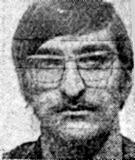
| Legal Identity | George Geschwendt |
| Confirmed Victims | 6 |
| Attributed / Indicted Victims | 6 |
| Active Timeline | March 12, 1976 |
| Jurisdiction / Area of Operations | Bensalem Township, Pennsylvania |
| Criminological Classification | Mass Murderer |
| Forensic Modus Operandi | Home invasion and execution with a .22 caliber firearm |
| Weapon / Mechanism of Death | .22 caliber handgun |
| Motive / Behavioral Dynamics | Alleged mental defect (insanity defense) |
| Judicial Outcome | Life imprisonment (death penalty commuted) |
1. Background and Psychopathy
George Geschwendt lived in Bensalem Township, Pennsylvania, across the street from the Abt family. Prior to the massacre, he purchased a .22 caliber firearm and filed a false police report claiming it had been stolen, a clear indication of premeditation and an attempt to obstruct future investigation.
2. Crime Spree
On March 12, 1976, Geschwendt broke into the Abt residence while it was empty. He waited for the family to return and proceeded to shoot and kill five members of the Abt family and Garson Engle, a boyfriend of one of the victims. He later confessed that he intended to kill the entire family but fled the scene due to the ringing of the telephone.
3. Investigation and Arrest
Following the crime, Geschwendt attempted to dispose of evidence, including his clothing and the weapon. However, upon questioning, he provided a full confession. His defense strategy relied entirely on the insanity plea, which the Commonwealth successfully countered with expert psychiatric testimony.
4. Legal Proceedings and Outcome
Geschwendt was convicted of six counts of first-degree murder. Initially sentenced to death, his sentence was commuted to life imprisonment following the Pennsylvania Supreme Court's ruling in Commonwealth v. Moody. He later filed a federal habeas corpus petition, challenging the trial court's refusal to instruct the jury on a 'not guilty by reason of insanity' verdict. The Third Circuit Court of Appeals affirmed the denial of his petition, ruling that the trial court's instructions, when viewed as a whole, were sufficient.
5. Psychiatric Evaluation and Conclusion
Despite the defense's efforts to prove insanity, the judicial system determined that Geschwendt was sane at the time of the killings. The court noted the calculated nature of the crime, including the pre-purchase of the weapon and the attempt to conceal evidence, as proof that he understood the nature and quality of his actions.