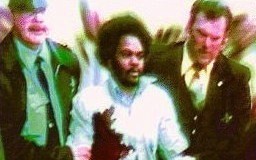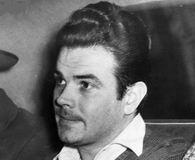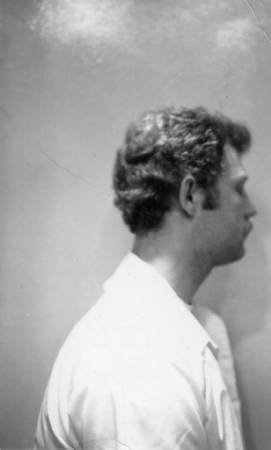
Forensic & Criminological Matrix
| Parameter | Forensic Detail |
|---|---|
| Forensic Heading / Aliases | None recorded |
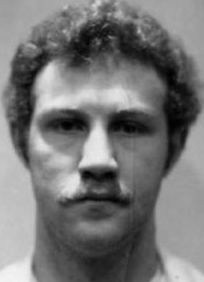
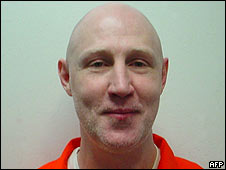
| Legal Identity | Ronnie Lee Gardner |
| Confirmed Victims | 2 |
| Attributed / Indicted Victims | 2 |
| Active Timeline | 1984-1985 |
| Jurisdiction / Area of Operations | Salt Lake City, Utah |
| Criminological Classification | Murderer, violent robber |
| Forensic Modus Operandi | Armed robbery and escape attempts |
| Weapon / Mechanism of Death | Firearm |
| Motive / Behavioral Dynamics | Evasion of justice and antisocial behavior |
| Judicial Outcome | Death penalty, executed by firing squad |
1. Background and Profile
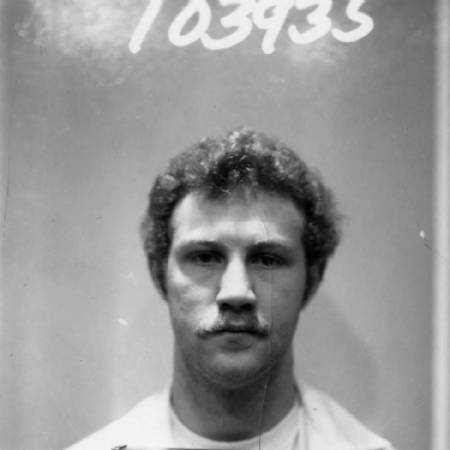
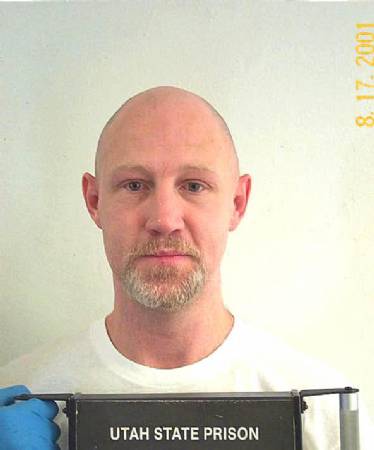
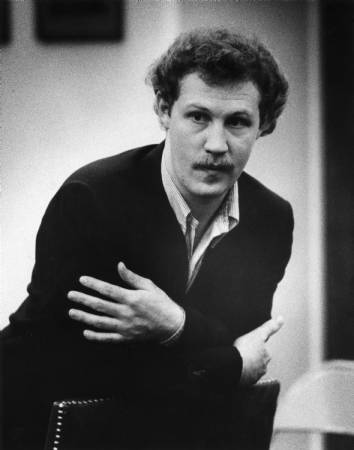
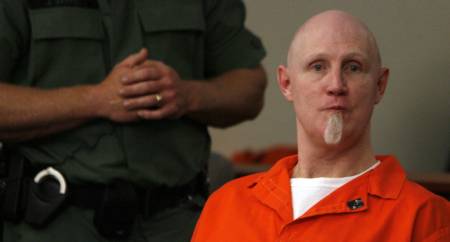
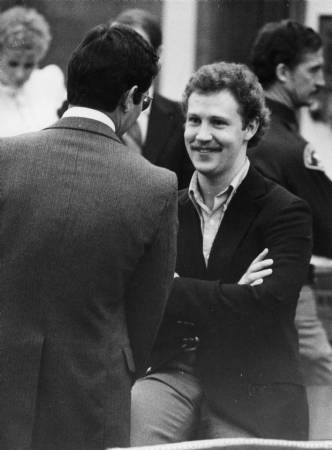
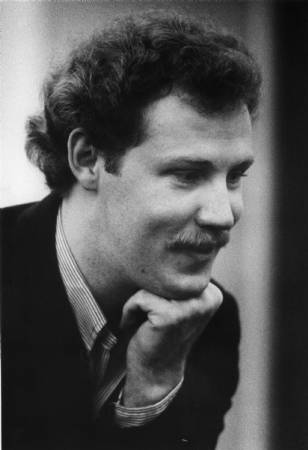
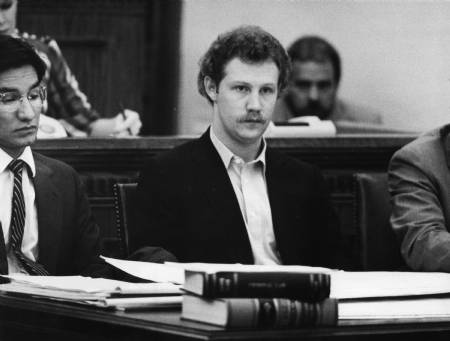
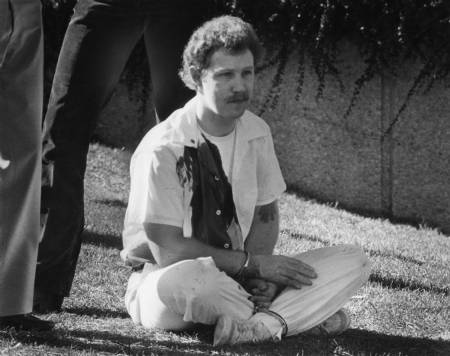
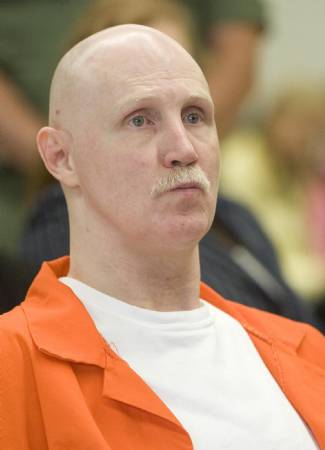
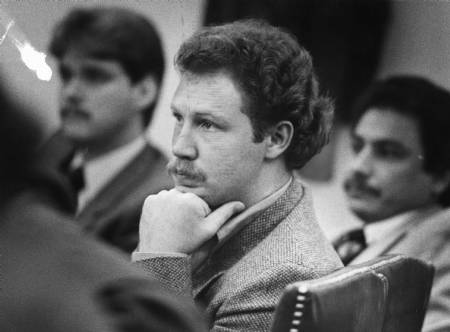
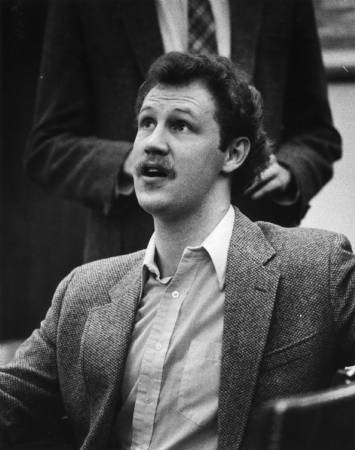
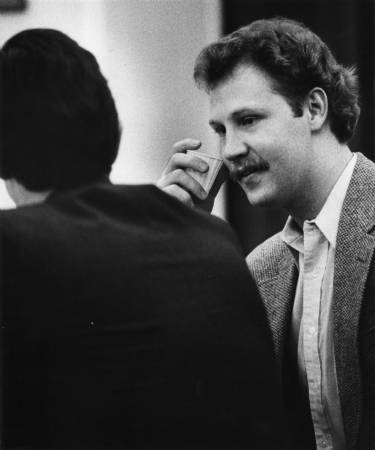
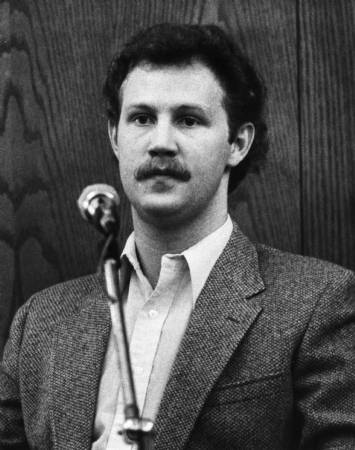
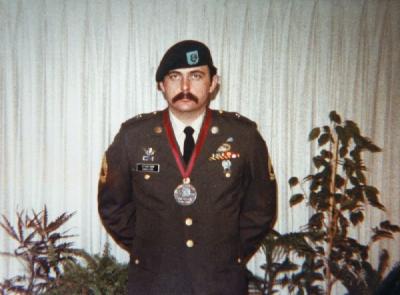
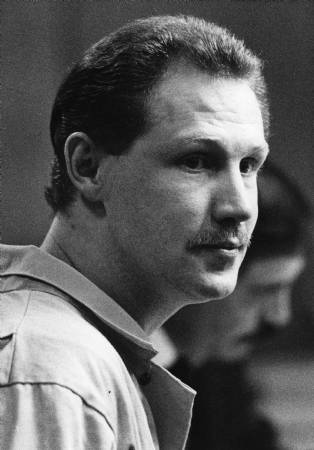
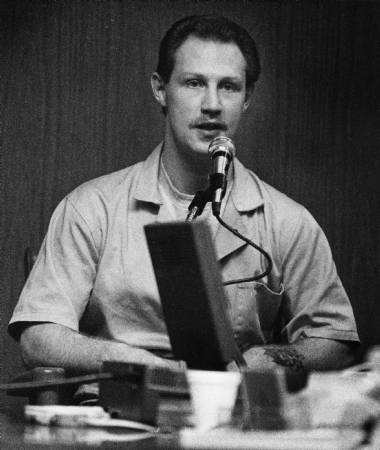
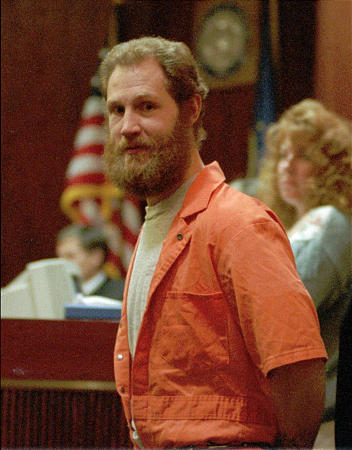
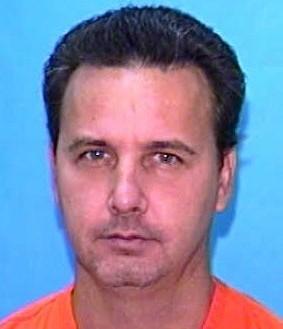
Ronnie Lee Gardner (1961–2010) was an American criminal whose life was defined by a persistent pattern of violent behavior and institutionalization. His criminal career was marked by escalating violence, leading to his eventual status as one of Utah's most notorious death row inmates.
2. Criminal Career and Modus Operandi
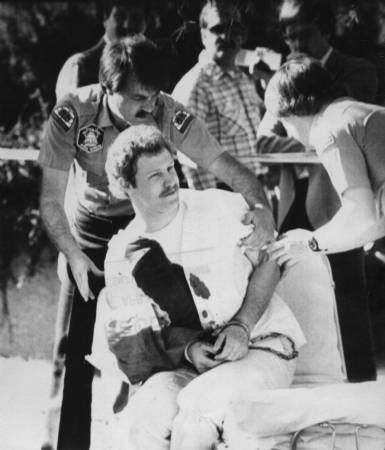
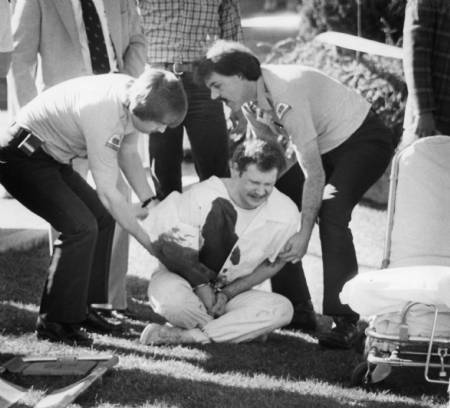
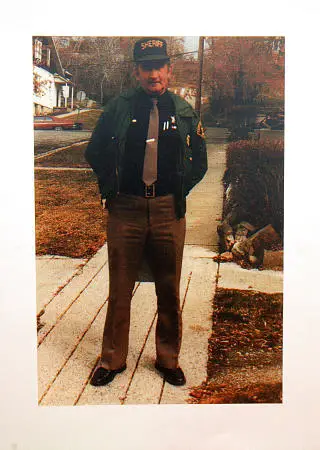
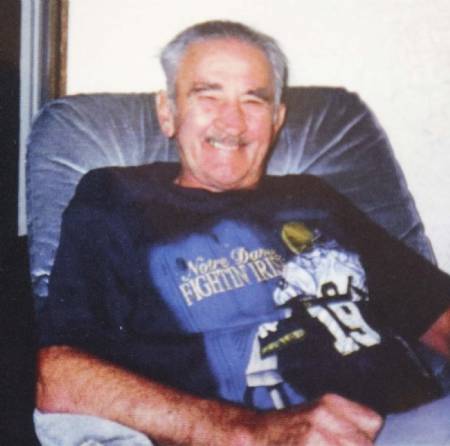
Gardner's criminal record included the 1984 murder of Melvyn Otterstrom. In 1985, while being transported for a court appearance at the Salt Lake County Courthouse, Gardner initiated a violent escape attempt. During the struggle, he shot and killed attorney Michael Burdell and wounded court bailiff George Kirk.
3. Investigation and Arrest
The investigation into the 1985 incident focused on how Gardner managed to secure a weapon while in custody. The subsequent forensic analysis of the courthouse security breach led to significant reforms in the handling of high-risk prisoners in Utah.
4. Legal Proceedings and Outcome
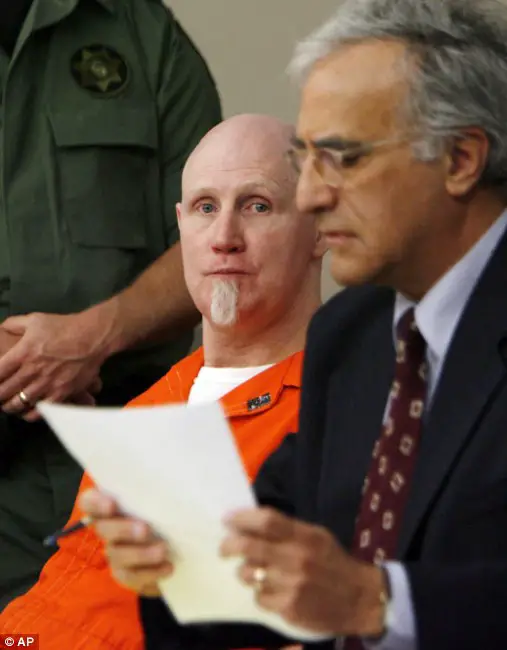
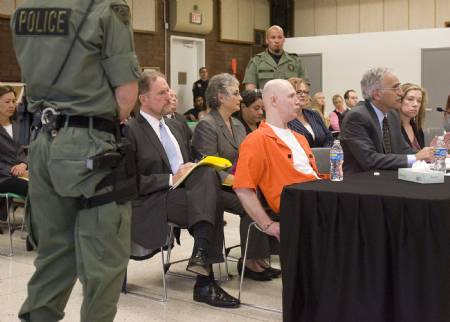
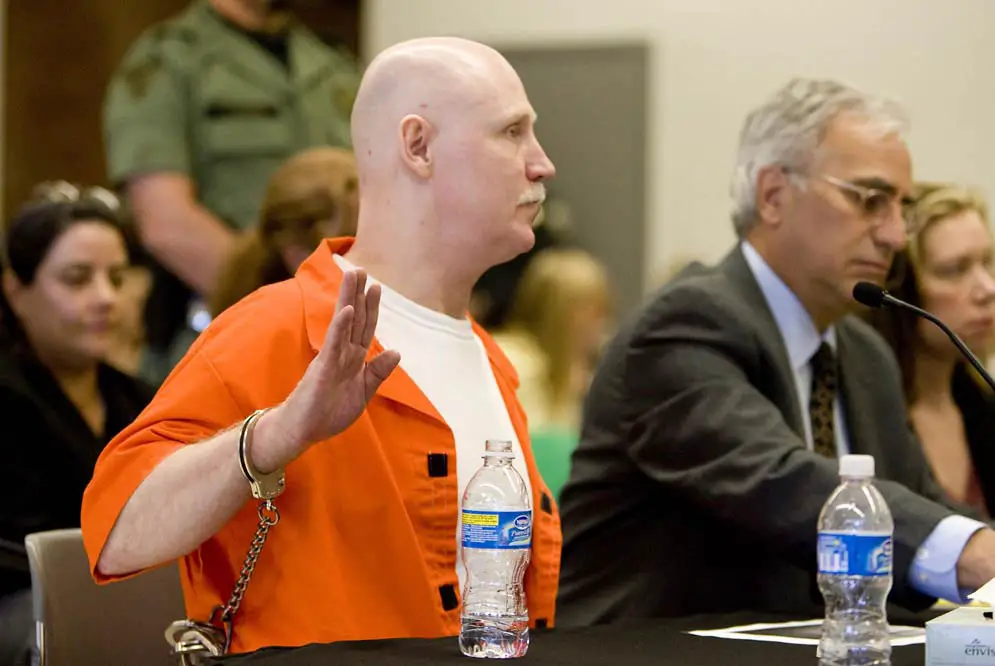
Gardner was convicted of capital murder. His case became a landmark in the Utah judicial system, lasting nearly 25 years due to an extensive appeals process. This delay prompted the Utah House of Representatives to introduce legislation aimed at restricting the number of appeals in capital cases.
5. Forensic Outcome
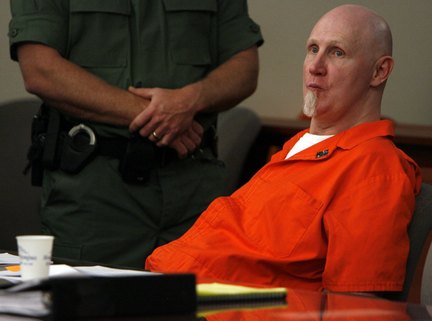
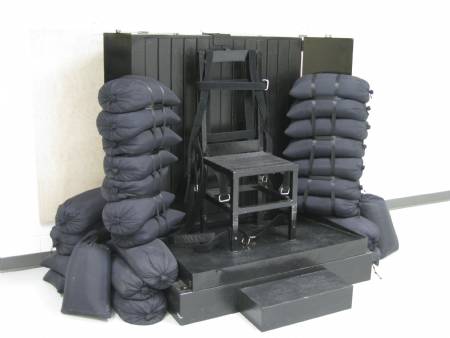
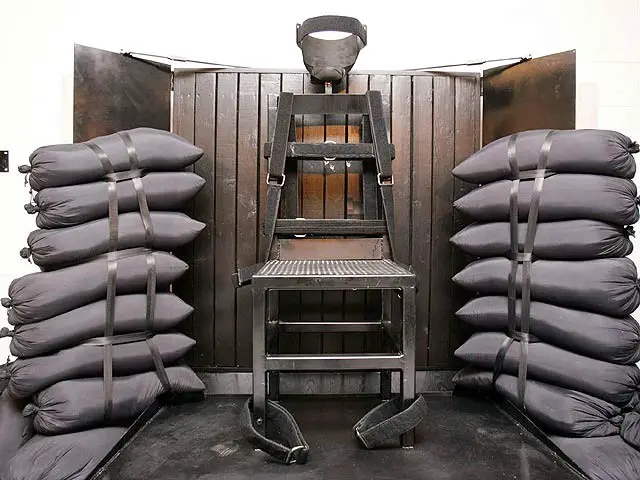
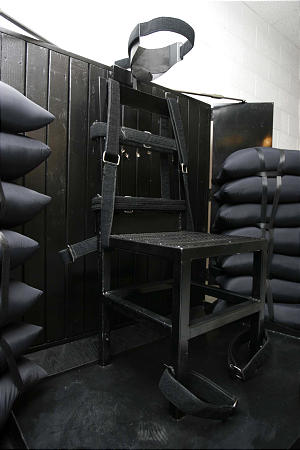
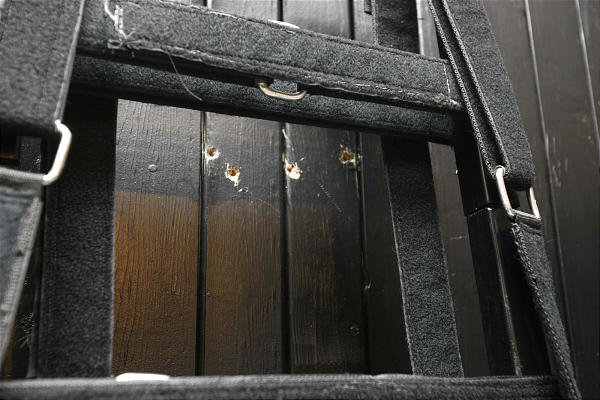
After exhausting all legal avenues, Gardner was executed on June 18, 2010. He chose to be executed by a firing squad, a method permitted under Utah law at the time, marking one of the few such executions in modern American history.