Forensic & Criminological Matrix
| Parameter | Forensic Detail |
|---|---|
| Forensic Heading / Aliases | None |
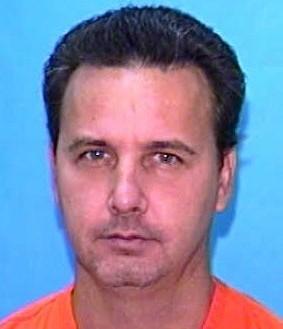
| Legal Identity | David Livingston Funchess |
| Confirmed Victims | 2 |
| Attributed / Indicted Victims | 2 |
| Active Timeline | December 1974 |
| Jurisdiction / Area of Operations | Jacksonville, Florida, USA |
| Criminological Classification | Multiple Murderer |
| Forensic Modus Operandi | Stabbing during armed robbery |
| Weapon / Mechanism of Death | Knife |
| Motive / Behavioral Dynamics | Robbery for pecuniary gain / Witness elimination |
| Judicial Outcome | Death penalty (executed by electric chair) |
1. Background and Profile
David Livingston Funchess was a Vietnam War veteran, decorated five times for his service. Following his return to civilian life, he engaged in a series of minor criminal activities that escalated into the 1974 double homicide. Defense attorneys later argued that he suffered from Post-Traumatic Stress Disorder (PTSD), which they claimed was not fully understood by the courts during his 1975 trial.
2. Crime Spree
In December 1974, Funchess entered the Avondale Lounge in Jacksonville with the intent to commit a robbery. During the course of the robbery, he stabbed Anna Waldrop and Clayton Ragan to death. The crimes were legally categorized as murders committed during the course of a robbery for pecuniary gain.
3. Investigation and Arrest
The investigation relied heavily on Funchess' own admissions. During sentencing proceedings, he admitted to the court that he had gone to the Avondale Lounge on December 16, 1974, to rob the establishment.
4. Legal Proceedings and Outcome
Funchess was convicted of two counts of first-degree murder in 1975. The case underwent extensive appellate review, including a resentencing phase in 1979 following the Gardner v. Florida ruling. Despite multiple federal habeas corpus petitions alleging ineffective assistance of counsel and failure to consider mitigating factors, his death sentences were upheld.
5. Psychiatric Evaluation and Execution
Funchess' legal team argued that his childhood abuse and heroin use should have been considered as mitigating factors. However, the courts maintained that the trial counsel's strategic decisions were reasonable. David Funchess was executed in Florida's electric chair on April 22, 1986.