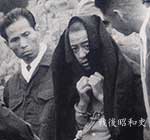
Forensic & Criminological Matrix
| Parameter | Forensic Detail |
|---|---|
| Forensic Heading / Aliases | None |
| Legal Identity | Tomohiro Fujii |
| Confirmed Victims | 2 |
| Attributed / Indicted Victims | 2 |
| Active Timeline | July - September 2000 |
| Jurisdiction / Area of Operations | Tokyo, Japan (Kita and Itabashi Wards) |
| Criminological Classification | Serial Killer (Spree/Itinerant) |
| Forensic Modus Operandi | Surprise attacks with bladed weapons |
| Weapon / Mechanism of Death | Kitchen knife / Folding knife |
| Motive / Behavioral Dynamics | Homicidal impulses |
| Judicial Outcome | Convicted of murder |
1. Background and Profile
Tomohiro Fujii is a Japanese offender responsible for two homicides in Tokyo during the year 2000. His profile is characterized by the random selection of elderly, vulnerable victims and a lack of remorse. His actions were driven by an internal compulsion to kill, rather than material gain.
2. Criminal Career and Modus Operandi
Fujii's modus operandi involved the use of knives to inflict lethal trauma. On July 18, 2000, he murdered 76-year-old Toraichi Saito in an Itabashi ward park, stabbing him in the neck. On September 5, 2000, he murdered 67-year-old Koichi Tamada in the Kita ward, stabbing him over 30 times. In both instances, the victims' belongings were left untouched, confirming that robbery was not the motive.
3. Investigation and Arrest
Police from the Akabane station linked the two crimes due to their proximity and the specific nature of the attacks. Fujii was also linked to local reports of tire slashing in the area, which he later confessed to. He was arrested in October 2000.
4. Legal Proceedings and Outcome
Following his arrest, Fujii provided a full confession. He admitted to targeting individuals he perceived as weak and stated that he would have continued killing had he not been apprehended. He was subsequently processed through the Japanese judicial system and sentenced for his crimes.