Forensic & Criminological Matrix
| Parameter | Forensic Detail |
|---|---|
| Forensic Heading / Aliases | null |
| Legal Identity | Norio Nagayama |
| Confirmed Victims | 4 |
| Attributed / Indicted Victims | 4 |
| Active Timeline | 1968 |
| Jurisdiction / Area of Operations | Tokyo, Hokkaido, Nagoya, Kyoto |
| Criminological Classification | Serial Killer / Spree Killer |
| Forensic Modus Operandi | Shooting (.22 caliber) |
| Weapon / Mechanism of Death | .22-caliber pistol |
| Motive / Behavioral Dynamics | Social resentment and marginalization |
| Judicial Outcome | Executed by hanging |
1. Background and Profile
Born in Abashiri, Hokkaido, Norio Nagayama grew up in extreme poverty. After moving to Tokyo in 1965, he was exposed to violent environments that exacerbated his social alienation, leading to a profound psychological deterioration.
2. Crime Spree
Between October 11 and November 5, 1968, Nagayama engaged in a cross-country killing spree. Using a .22-caliber pistol stolen from a U.S. Navy base in Yokosuka, he murdered four individuals—two security guards and two taxi drivers—across four different cities, robbing his final two victims of 16,420 yen.
3. Investigation and Arrest
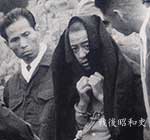
Nagayama evaded authorities for several months following his crimes. He was apprehended on April 7, 1969, while attempting to break into an English language school in Tokyo.
4. Legal Proceedings and Outcome
His legal journey was marked by significant controversy regarding his age (19 at the time of the crimes). He was sentenced to death in 1979, commuted to life imprisonment in 1981, and ultimately sentenced to death by the Supreme Court in 1990.
5. Literary Career and Execution
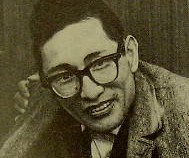
While incarcerated, Nagayama became a successful author, writing several autobiographical novels. His execution on August 1, 1997, at the Tokyo Detention House, sparked national debate regarding the secrecy of Japan's capital punishment system and the ethics of executing an individual who had undergone significant personal transformation.