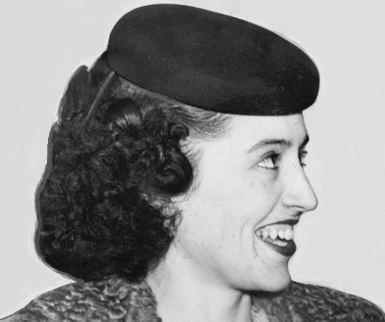




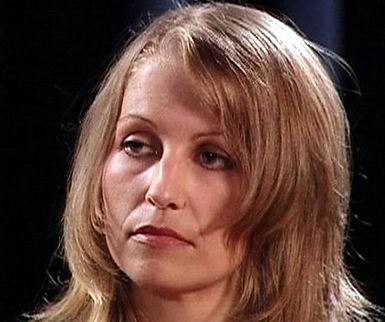
Forensic & Criminological Matrix
| Parameter | Forensic Detail |
|---|---|
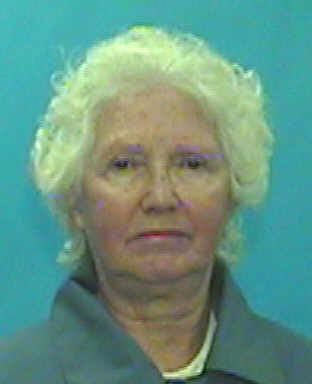
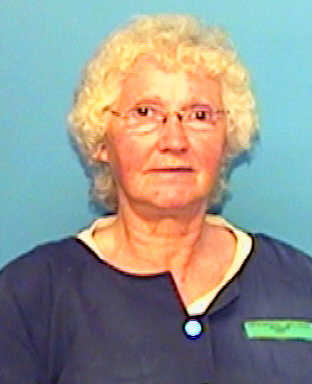
| Forensic Heading / Aliases | Internet Black Widow, Millie Weeks, Melissa Stewart |
| Legal Identity | Melissa Ann Sheppard (née Weeks) |
| Confirmed Victims | 1 confirmed homicide (Gordon Stewart), multiple attempted murders and serial financial frauds |
| Active Timeline | 1970 - 2012 |
| Jurisdiction / Area of Operations | Canada (Ontario, Prince Edward Island, Nova Scotia) and United States (Florida) |
| Criminological Classification | Serial killer / White-collar offender / Black widow |
| Forensic Modus Operandi | Surreptitious administration of psychoactive drugs (benzodiazepines such as lorazepam and temazepam) to incapacitate romantic partners for financial gain, inheritance theft, or asset control, occasionally culminating in vehicular homicide or lethal poisoning attempts. |
| Weapon / Mechanism of Death | Benzodiazepines, vehicular assault, and psychological manipulation |
| Motive / Behavioral Dynamics | Financial gain, systemic fraud, economic parasitism, and psychopathic affective manipulation |
| Judicial Outcome | Convicted of manslaughter in 1992 (6-year prison sentence); subsequent convictions in the U.S. (2005) for grand theft and forgery; convicted in 2013 for attempted murder. Currently released / on parole. |
1. Background and Psychopathy
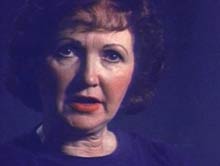
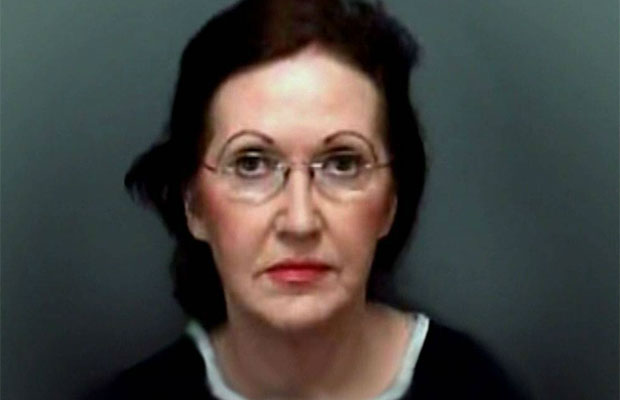
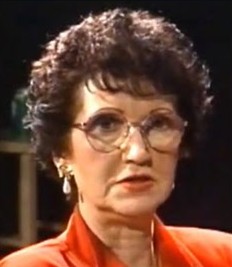
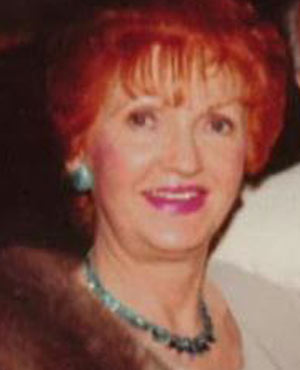
Melissa Ann Sheppard, widely recognized in criminological archives as the "Internet Black Widow" or "Millie Weeks," was born on May 16, 1935, in Burnt Church, New Brunswick, Canada. Moving to Ontario during her youth, she married factory worker Russell Sheppard in 1955, with whom she raised two children. Diverging from conventional social norms early in life, Sheppard demonstrated a pathological inclination toward financial deception and identity falsification.
Between 1970 and 1985, she accumulated over thirty charges for false pretenses, fraud, forgery, and impersonation across Toronto and Prince Edward Island. This early criminal trajectory established a behavioural profile centered on socio-economic parasitism, utilizing instrumental romantic relationships as vehicles for systematic financial exploitation against vulnerable or isolated men.
2. Crime Spree
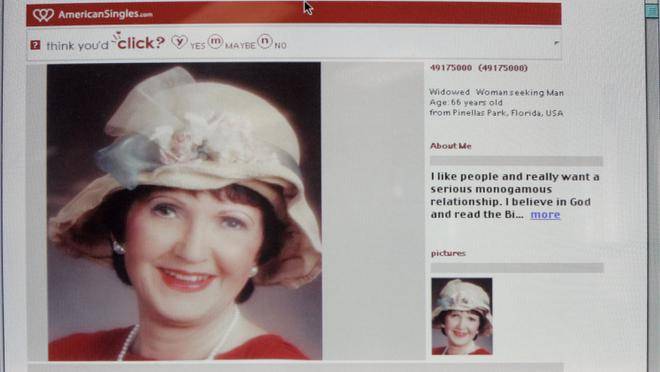
Melissa Friedrich's forensic modus operandi evolved from classic document fraud toward chronic chemical incapacitation and poisoning. After establishing relationships with husbands or suitors—frequently contacted later in life through personal ads and online dating platforms—she would surreptitiously administer potent benzodiazepines (primarily lorazepam and temazepam) into food and beverages, such as ice cream or coffee.
This pharmacological cocktail induced severe confusion, disorientation, lethargy, and neurological symptoms mimicking senile dementia or cerebrovascular accidents in her victims. Once incapacitated, Sheppard would alter wills, secure powers of attorney, drain bank accounts, and fraudulently collect government benefits. In instances of overt physical violence, such as the 1991 killing of her second husband Gordon Stewart in Nova Scotia, she resorted to extreme physical aggression, running him over twice with a vehicle following a domestic dispute, subsequently attempting to frame the incident through defensive pretexts.
3. Crime Spree & Forensic Investigation
Canadian and American law enforcement agencies faced significant hurdles linking her crimes due to the offender's geographic mobility and the subtlety of pharmacological poisonings, which were frequently misdiagnosed as natural deaths in elderly males.
The turning point in these investigations stemmed from familial vigilance and the suspicions raised by victims' children, who noticed sudden cognitive declines and anomalous financial movements following Sheppard's entry into their households. In the 2002 case of Robert Friedrich in Florida and Alex Strategos in Germany/U.S. (2004), toxicological screenings requested by relatives and elder abuse hotlines uncovered duplicate prescriptions, "doctor shopping," and unprescribed benzodiazepines in blood samples. In 2012, following her marriage to Fred Weeks, the prompt intervention of law enforcement at a Nova Scotia guesthouse led to the recovery of 144 lorazepam tablets and empty prescription vials, neutralizing her final lethal enterprise.
4. Arrest and Judicial Process
Melissa Sheppard's judicial record spans multiple jurisdictions over several decades:
- 1992: Sentenced to 6 years in prison for the manslaughter of Gordon Stewart following the 1991 vehicular assault.
- 2005: Following the drugging and financial exploitation of Alex Strategos in Florida, she accepted a plea agreement for grand theft and forgery, serving time in the U.S. until her deportation to Canada in 2009.
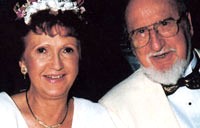
- 2013: Convicted of attempted murder and administering a noxious substance against her short-term spouse Fred Weeks, after being intercepted with a massive stash of psychoactive drugs.
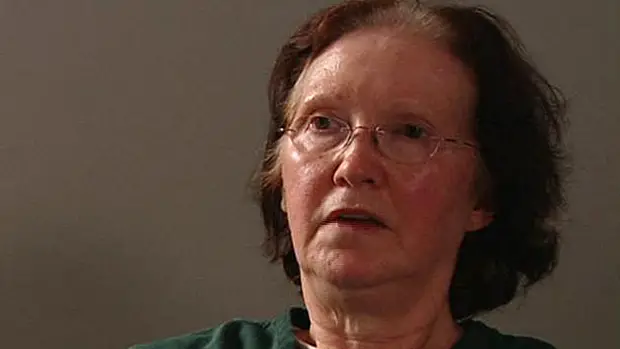
During her incarceration in institutions such as the Prison for Women in Kingston, Ontario, she exhibited remarkable social manipulation skills, establishing support groups and participating in documentaries and rehabilitation outreach.
5. Psychiatric Evaluation and Outcome
Criminological and psychiatric evaluations conducted across her various judicial proceedings revealed a profile devoid of genuine empathy, characterized by a personality disorder featuring marked antisocial, narcissistic, and psychopathic traits. Her capacity for seduction, feigned affection, and rapid adaptation to new environments enabled her to systematically recidivate well into her senior years.
Classified by media and criminologists as a textbook "black widow," her trajectory demonstrates how domestic pharmacology and psychological manipulation can function as highly effective lethal weapons against vulnerable populations, operating along the margins of traditional medico-legal detection.