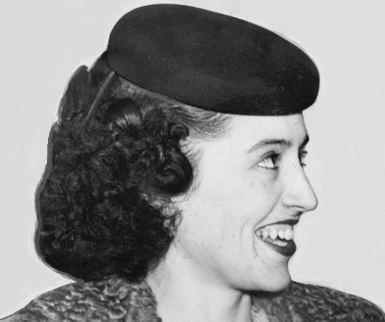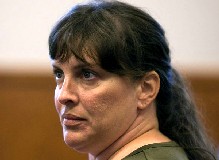





Forensic & Criminological Matrix
| Parameter | Forensic Detail |
|---|---|
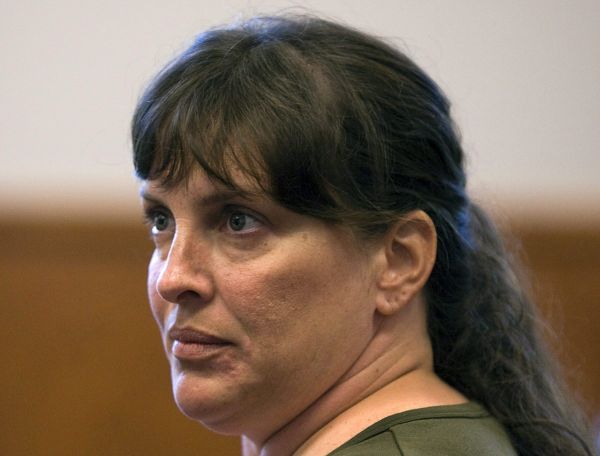
| Forensic Heading / Aliases | Mary Beth Harshbarger |
| Legal Identity | Mary Beth Harshbarger |
| Confirmed Victims | 1 (Mark Harshbarger) |
| Active Timeline | September 2006 |
| Jurisdiction / Area of Operations | Newfoundland and Labrador, Canada |
| Criminological Classification | Domestic homicide / Simulated hunting accident |
| Forensic Modus Operandi | Firearm discharge disguised as a tragic accident during a hunting excursion |
| Weapon / Mechanism of Death | High-powered hunting rifle |
| Motive / Behavioral Dynamics | Marital conflict / Concealed domestic dispute |
| Judicial Outcome | Convicted and subsequently released after serving sentence |
1. Background and Psychopathy
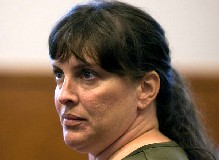
Mary Beth Harshbarger was born in the United States in 1965. Prior to the fatal incident, she possessed no known violent criminal record and maintained a conventional public profile. Her case highlights how domestic conflicts can culminate in calculated lethal actions masked behind elaborate circumstantial cover stories.
2. Crime Spree
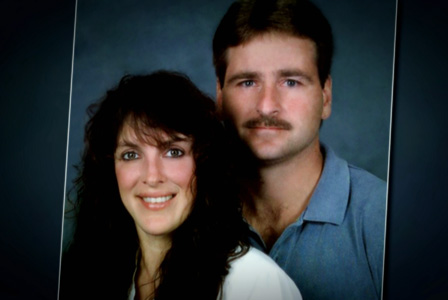
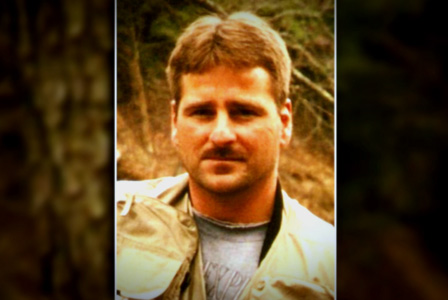
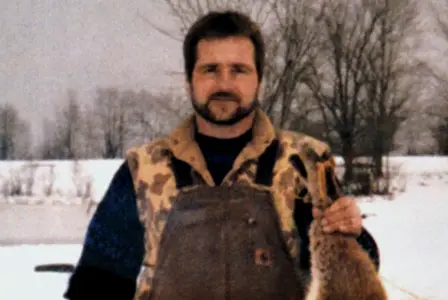
In September 2006, while on a hunting trip in a remote area of Newfoundland and Labrador, Canada, Harshbarger shot and killed her husband, Mark Harshbarger. Immediately following the shooting, she claimed it was a tragic accident, asserting she mistook him for game or that the rifle discharged unintentionally in low-visibility conditions.
3. Forensic Investigation and Pursuit
The Royal Canadian Mounted Police (RCMP) launched a thorough investigation. Forensic ballistics, trajectory analysis, and crime scene reconstruction quickly contradicted Harshbarger's narrative. The physical evidence demonstrated that the shot was inconsistent with an accidental discharge, pointing instead toward intentional lethality or gross criminal negligence.
4. Legal Proceedings and Outcome
Following the gathering of forensic evidence, Harshbarger was arrested and prosecuted. The judicial proceedings heavily relied on expert forensic testimonies regarding firearm mechanics and bloodstain pattern analysis. She was subsequently found guilty under Canadian jurisdiction.
5. Psychological Evaluation and Resolution
Harshbarger's case serves as a notable example of spousal homicide disguised as an outdoor accident. Having undergone the full legal process, she has since been released, leaving behind a documented record of forensic contradiction and domestic tragedy.