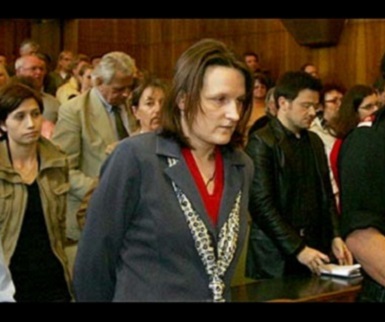
Forensic & Criminological Matrix
| Parameter | Forensic Detail |
|---|---|
| Forensic Heading / Aliases | None recorded |
| Legal Identity | Franziska Braun |
| Confirmed Victims | 1 |
| Attributed / Indicted Victims | 1 |
| Active Timeline | 1904 |
| Jurisdiction / Area of Operations | Vienna, Austria |
| Criminological Classification | Profit-driven murderer / Dismemberer |
| Forensic Modus Operandi | Manual strangulation and post-mortem dismemberment |
| Weapon / Mechanism of Death | Manual strangulation / Axe for dismemberment |
| Motive / Behavioral Dynamics | Financial gain and robbery |
| Judicial Outcome | Death sentence, commuted to life imprisonment |
1. Background and Profile
Franziska Klein, born Franziska Braun in 1868, was a woman of high intelligence but prone to criminal activity. After leaving a convent, she adopted various aliases to commit fraud and theft. Her marriage to Heinrich Klein was driven by financial desperation, leading them to target wealthy individuals.
2. Crime Spree
On October 4, 1904, Klein murdered Johann Sikora in Vienna. She strangled him and used an axe to dismember the body, hiding the remains in a sack beneath a sofa. The couple stole significant assets before fleeing to Paris.
3. Investigation and Arrest
The investigation led police across Europe. After the body was discovered, the couple's trail was followed through railway records. They were eventually captured in a Paris attic after a vigilant concierge identified them from newspaper reports.
4. Legal Proceedings and Outcome
Following extradition to Vienna, the trial was a media sensation. Franziska attempted to shift blame, while her husband claimed ignorance. Franziska was sentenced to death by hanging, later commuted to life imprisonment by the Emperor. Heinrich received an eight-year prison sentence.
5. Psychiatric Evaluation and Final Outcome
Psychiatric reports confirmed she was legally sane. She spent her remaining years in prison, eventually dying in a Vienna hospital in 1911 due to illness.