




Forensic & Criminological Matrix
| Parameter | Forensic Detail |
|---|---|
| Forensic Heading / Aliases | "The Black Widow", "Frau Elle" |
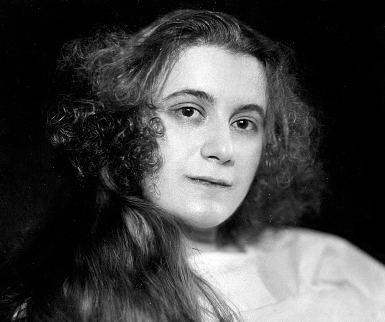
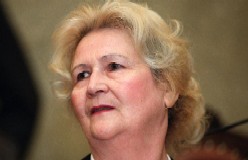
| Legal Identity | Elfriede Blauensteiner |
| Confirmed Victims | 3 (up to 5 suspected) |
| Active Timeline | 1981 - 1995 |
| Jurisdiction / Area of Operations | Vienna and Krems, Austria |
| Criminological Classification | Profit-driven serial killer / Poisoner |
| Forensic Modus Operandi | Secret administration of blood-sugar-lowering drugs (Euglucon) and antidepressants in food, coupled with cold exposure to induce fatal heart failure, followed by document forgery and inheritance theft |
| Weapon / Mechanism of Death | Prescription medication (Euglucon, Anafranil) and induced hypothermia |
| Motive / Behavioral Dynamics | Financial gain to sustain severe gambling addiction |
| Judicial Outcome | Sentenced to life imprisonment in 1997 with an additional conviction in 2001; died in custody in 2003 |
1. Background and Profile
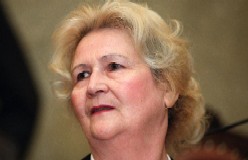
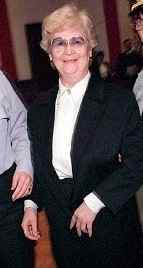
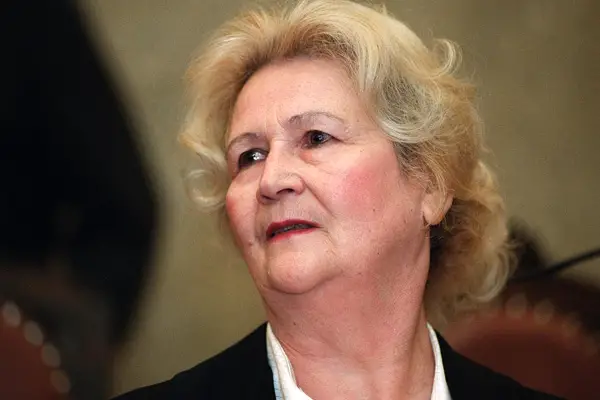
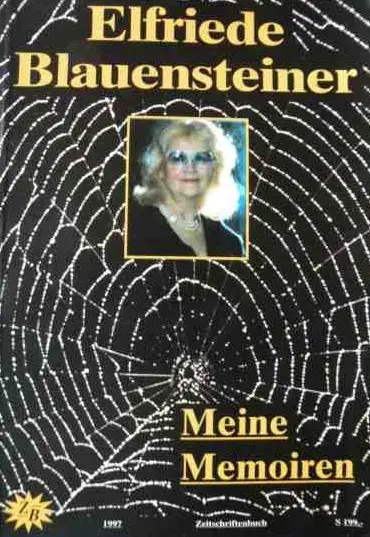
Elfriede Blauensteiner was born on January 22, 1931, in Vienna, Austria. Throughout her adult life, she developed a severe gambling addiction, frequenting casinos up to 230 times a year. To sustain her mounting debts and expensive lifestyle, she targeted lonely, elderly, or vulnerable men, weaponizing her knowledge of pharmacy and nursing care.
2. Crime Spree and Modus Operandi
Blauensteiner's modus operandi revolved around gaining the complete trust of her victims under the guise of romantic companionship or medical care. She surreptitiously administered blood-sugar-lowering drugs (Euglucon) combined with antidepressants (Anafranil). In the case of her final proven victim, Alois Pichler (1995), she dosed his milk, left him in a room with open windows during freezing winter temperatures, and placed him in a cold bath to precipitate a fatal heart attack. Assisted in some instances by her attorney, Harald Schmidt, she systematically forged wills to seize real estate, savings books, and substantial cash assets.
3. Investigation and Forensic Hunt
The investigation was triggered when suspicious relatives—notably Pichler's nephew—noticed sudden asset transfers and hastily altered wills following brief periods under Blauensteiner's care. Subsequent exhumations and forensic toxicology reports revealed lethal concentrations of active pharmaceutical ingredients, exposing a pattern of systematic poisoning that had eluded authorities for over a decade.
4. Legal Proceedings and Outcome
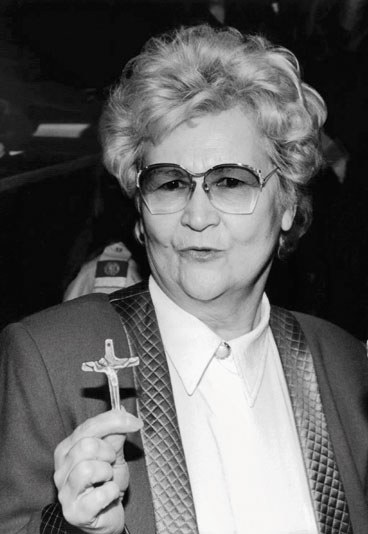
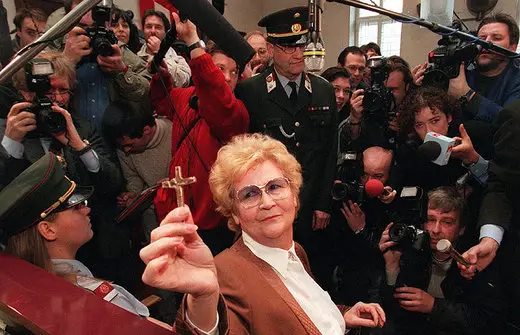
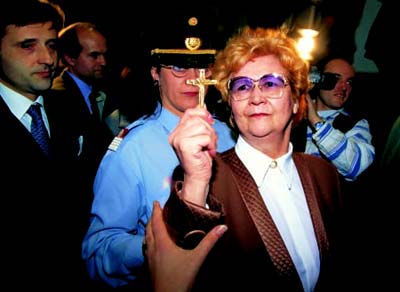
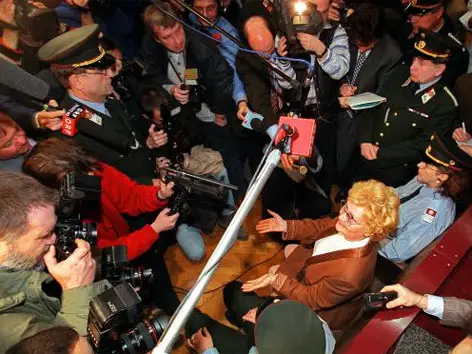
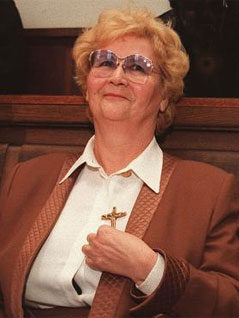
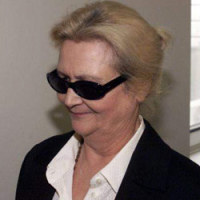
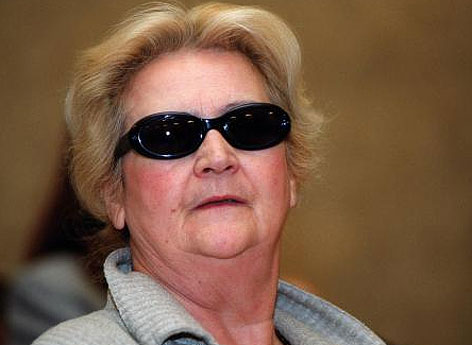
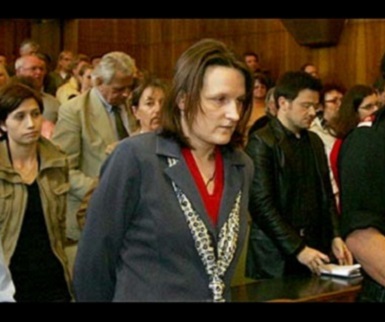
Blauensteiner was arrested in January 1996. Her trial began in Krems on February 10, 1997, attracting immense media attention. Clutched with a golden crucifix and projecting theatrical innocence («I wash my hands in innocence»), she became a notorious media figure. On March 7, 1997, she was convicted of first-degree murder and sentenced to life in prison. Her former lawyer, Harald Schmidt, received a seven-year sentence for complicity and forgery.
5. Psychological Assessment and Final Outcome
In 2001, a second trial took place in Vienna following the exhumation of additional victims (such as Franziska Koeberl and Friedrich Doecker), further confirming her toxicological methodology. Despite already serving a maximum life sentence, the proceedings were held to establish full judicial record. Blauensteiner displayed cynical humor throughout, blaming pathologists for their discoveries. She served her sentence at Schwarzau women's prison until her death from a brain tumor on November 18, 2003.