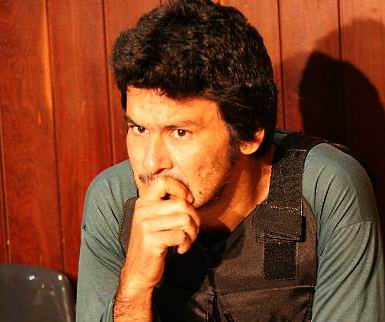






Forensic & Criminological Matrix
| Parameter | Forensic Detail |
|---|---|
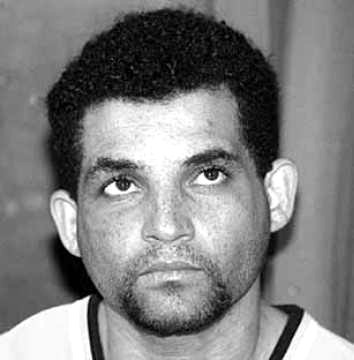
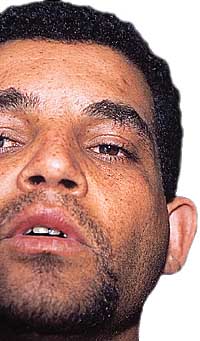
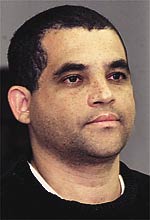
| Full Legal Name | Francisco de Assis Pereira |
| Media Moniker | The Park Maniac (O Maníaco do Parque) |
| Nationality | Brazilian |
| Date of Birth | November 29, 1967, São José do Rio Preto, São Paulo, Brazil |
| Current Penal Status | Sentenced to over 280 years imprisonment; held at Iaras State Penitentiary, São Paulo (subject to Brazil's statutory 30-year maximum incarceration ceiling) |
| Confirmed Murder Victims | 7 young women |
| Suspected Murder Victims | 11+ women (with more than 9 surviving victims of attempted homicide and rape) |
| Active Criminal Span | January 1998 – July 1998 (intense six-month predatory spree) |
| Geographic Jurisdiction | Parque Estadual das Fontes do Ipiranga (Parque do Estado), São Paulo, Brazil |
| Lethal Weaponry / Mechanics | Mechanical asphyxiation via manual strangulation and cord ligatures; severe ante/post-mortem human bite marks |
| Victimological Profile | Working-class brunette women aged 17 to 24 with aspirations of commercial modeling |
| Primary Criminal Motive | Paraphilic sexual sadism, psychopathic dominance, intense misogynistic compensation, and incipient necrophilia |
1. Criminological Trajectory and Personality Structure
Francisco de Assis Pereira stands as one of the most infamous serial predators in Brazilian criminal history. Possessing athletic agility on roller skates and an articulate, disarming verbal facade, Pereira masked a severe antisocial personality disorder marked by predatory calculation, pathological lying, and utter lack of human remorse.
Living in São Paulo and working alternately as a courier, delivery motorcyclist, and shop assistant, Pereira patrolled the bustling thoroughfares of the metropolis—including Avenida Paulista and shopping plazas—on roller skates, scanning for vulnerable young women suitable for his predatory trap.
2. Modus Operandi and the Modeling Ruse
Pereira refined an irresistible lure tailored to young women seeking upward social and economic mobility:
- The Model Talent Scout Pretext: Gliding up on roller skates, Pereira presented himself as an official talent scout or commercial photographer representing well-known cosmetics companies or modeling agencies.
- Lucrative Financial Incentive: He offered handsome payouts (up to 2,000 Brazilian reais) for a simple outdoor advertising photo session showcasing natural skincare products.
- Seclusion at Parque do Estado: He transported accepting victims by motorcycle or city bus to the dense Atlantic rainforest reserve of the Parque do Estado in southern São Paulo.
- Sadistic Torment: Leading the young women deep into isolated trails, he brandished a weapon, forcibly stripped them, inflicted brutal bite marks across their bodies, and subjected them to violent sexual assaults.
- Lethal Strangulation: To eliminate witnesses, he manually strangled the victims or bound cords around their throats until life ceased, concealing the remains under heavy woodland brush or ditch embankments.
3. Public Outcry and Forensic Discoveries
During early 1998, hikers and park wardens uncovered several decomposing, partially bound female corpses scattered across remote sections of the park, sparking collective panic across São Paulo. Media outlets christened the elusive predator The Park Maniac.
The São Paulo Civil Police Homicide Division (DHPP) initiated a major task force, piecing together physical descriptions provided by lucky survivors who had resisted Pereira's enticements or managed to flee into traffic before entering the forested preserve.
4. Investigation, Breakthrough, and Manhunt
In July 1998, a decisive breakthrough emerged when a witness noted the license plate of a motorcycle ridden by a young woman who subsequently disappeared:
- Detectives traced the motorcycle to Francisco de Assis Pereira. A raid on his apartment yielded incriminating personal effects, including victims' lingerie, compact cameras, and contact ledgers of prospective victims.
- Recognizing the manhunt closing in, Pereira fled toward southern Brazil.
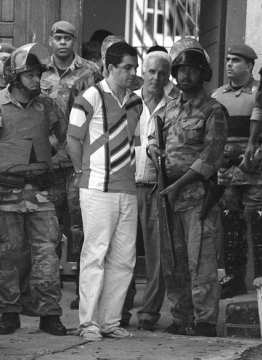
- On August 4, 1998, following a nationwide search, he was captured by military police in the border town of Itaqui, Rio Grande do Sul, attempting to cross into Argentina.
5. Trial, Adjudication, and Legal Contradictions
Following his capture, Pereira cooperated extensively with detectives, guiding forensics teams across the dense jungle terrain to recover hidden skeletal remains and victim property.
Between 2001 and 2002, Pereira faced multiple jury trials in São Paulo. Convicted on charges of qualified homicide, aggravated rape, and unlawful concealment of corpses, he was sentenced to over 280 years of imprisonment.
Incarcerated under strict isolation protocols at Iaras Penitentiary, Pereira's sentence highlighted statutory dilemmas within Brazilian constitutional law, which historically placed a strict 30-year limit on continuous penal confinement.