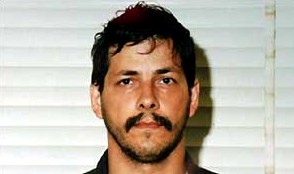




Forensic & Criminological Matrix
| Parameter | Forensic Detail |
|---|---|
| Forensic Heading / Aliases | The Nurse of Death |
| Legal Identity | Edson Isidoro Guimarães |
| Confirmed Victims | 4 |
| Attributed / Indicted Victims | 131 |
| Active Timeline | 1999 |
| Jurisdiction / Area of Operations | Salgado Filho Hospital, Rio de Janeiro, Brazil |
| Criminological Classification | Serial Killer (Angel of Death) |
| Forensic Modus Operandi | Lethal injection of potassium chloride and removal of life support |
| Weapon / Mechanism of Death | Potassium chloride, mechanical asphyxia |
| Motive / Behavioral Dynamics | Unauthorized euthanasia and financial gain (funeral home commissions) |
| Judicial Outcome | Sentenced to 76 years in prison |
1. Background and Psychopathy
Edson Isidoro Guimarães worked as a nursing assistant at the Salgado Filho Hospital in Rio de Janeiro. His actions categorize him as an "Angel of Death," a serial killer who exploits the vulnerability of hospital patients, often masking his crimes with a facade of mercy while simultaneously pursuing financial gain.
2. Crime Spree
During his 12-hour shifts, Guimarães targeted patients in irreversible comas or terminal stages. He utilized potassium chloride injections or removed oxygen masks to induce death. Records indicate that during his shifts, the ward's death rate doubled, with 131 deaths occurring while he was on duty between January and May 1999.
3. Investigation and Arrest
Internal hospital investigations were triggered by a spike in mortality rates. A cleaning staff member witnessed Guimarães injecting a patient with potassium chloride. Following a controlled test where he was moved to a different ward, the ICU mortality rate dropped to zero, leading to his arrest on May 4, 1999.
4. Legal Proceedings and Outcome
Guimarães confessed to five murders but was convicted of four on February 21, 2000, receiving a 76-year prison sentence. Investigations also uncovered that he received $60 payments from local funeral homes for providing early notification of patient deaths.
5. Behavioral Dynamics and Conclusion
Throughout his trial, Guimarães claimed he was acting out of compassion for terminal patients. However, the forensic evidence of his financial motives suggests a calculated exploitation of his position, blending a messianic complex with cold-blooded opportunism.