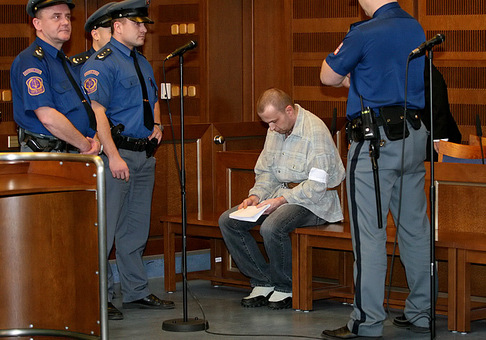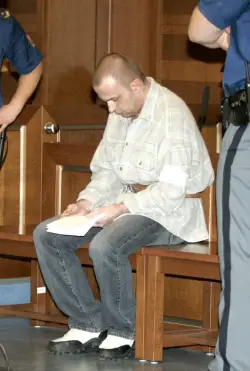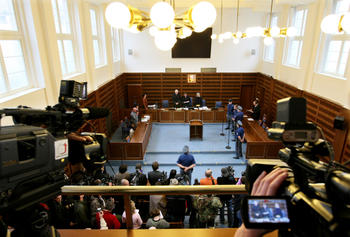




Forensic & Criminological Matrix
| Parameter | Forensic Detail |
|---|---|
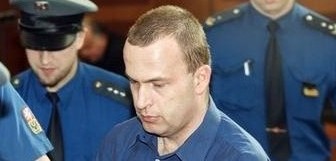
| Full Legal Name | Petr Zelenka. |
| Criminal Moniker | The Heparin Killer (Heparinový vrah). |
| Czech Criminological Landmark | The deadliest hospital serial killer in the history of the Czech Republic and the catalyst for fundamental overhauls in medical toxicology oversight across Central Europe. |
| Criminological Classification | Healthcare serial killer / Medical "Angel of Death" by pharmacological poisoning (Healthcare serial killer). |
| Active Murder Span | May 2006 – September 2006. |
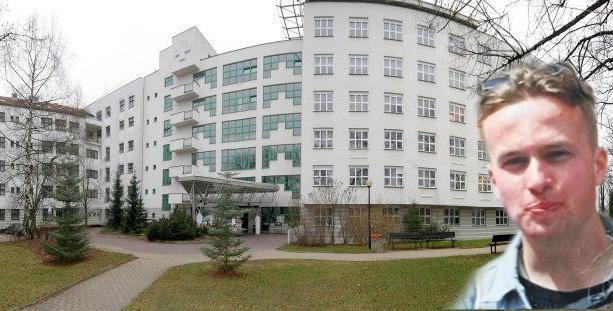
| Crime Scene | Intensive Care Unit (ICU), Havlíčkův Brod Municipal Hospital, Vysočina Region (Czech Republic). |
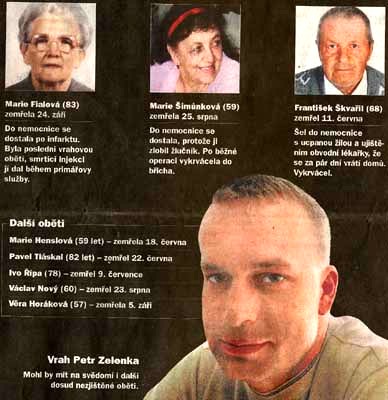
| Confirmed Victims | 7 ICU patients murdered and 10 attempted homicides involving near-fatal hemorrhaging (total of 17 patients poisoned with heparin). |
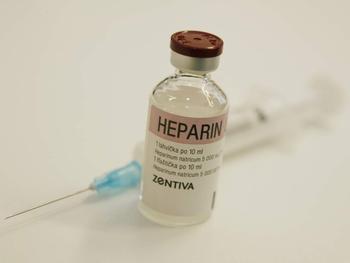
| Lethal Agent | Sodium heparin (prescription anticoagulant intravenously administered in massive off-chart overdoses exceeding 25,000 international units, inducing uninhibited systemic internal bleeding). |
| Forensic Motive | Dissocial personality disorder with malignant narcissism; thrill-seeking psychopathy driven by the desire to induce chaotic emergency resuscitation scenarios ("I wanted to experience the rush and watch doctors scramble in panic"). |
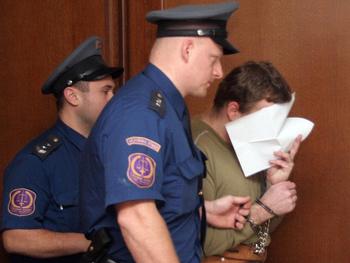
| Judicial Disposition | Sentenced on February 21, 2008, by the Hradec Králové Regional Court to life imprisonment (Doživotí); incarcerated at Valdice Maximum Security Prison. |
Introduction: The Hemorrhage Phantom of Havlíčkův Brod
Throughout the late spring and summer of 2006, medical intensivists at the Havlíčkův Brod Municipal Hospital in the Vysočina region of the central Czech Republic confronted an inexplicable clinical catastrophe. Patients admitted to the Intensive Care Unit for routine postoperative recovery or minor trauma began bleeding uncontrollably from surgical incisions, mucous membranes, and internal organs.
Despite aggressive blood transfusions, seven patients bled to death. The mystery was unmasked not as a biological outbreak or pharmaceutical batch defect, but as the calculated sabotage of a 30-year-old nurse: Petr Zelenka. Operating under the guise of an attentive caregiver, Zelenka weaponized common heparin to manufacture life-or-death crises for his personal psychological entertainment.
Professional Background and Thrill Addiction
Born in February 1976, Zelenka qualified as a registered nurse, building a decade-long reputation as an efficient, dependable bedside practitioner. Colleagues regarded him as an unassuming colleague who willingly accepted nocturnal ICU shifts.
Behind his clinical demeanor lay profound emotional hollowness and chronic boredom. During subsequent psychiatric evaluations, Zelenka recounted how routine nursing duties failed to stimulate him, explaining that he discovered that injecting patients with massive doses of anticoagulant triggered an adrenaline-fueled resuscitation frenzy that alleviated his apathy.
Modus Operandi: The Heparin Overdoses
Heparin is a critical hospital anticoagulant designed to prevent lethal thrombotic events. Administered in therapeutic doses, it saves lives; administered in massive excess, it abolishes blood platelet coagulation, resulting in catastrophic internal exsanguination:
- Zelenka intercepted stock vials of heparin from ward refrigerators during unattended night shifts.
- Targeting comatose, elderly, or intubated patients, he injected lethal boluses directly into intravenous central lines.
- As systemic hemorrhaging developed and monitoring telemetry shrieked, Zelenka positioned himself to observe the frantic resuscitation efforts mounted by attending physicians.
- He frequently assisted in futile chest compressions, deriving satisfaction from the panic he had orchestrated.
Internal Inquest and Discovery
The hospital's head of anesthesia and resuscitation, Dr. Pavel Longin, initiated an internal audit after noting that coagulation assays revealed inexplicable heparin saturation in non-prescribed patients.
Correlating the exact timestamps of coagulation collapse against nursing rosters, Dr. Longin discovered an undeniable mathematical pattern: each of the seventeen life-threatening bleeding episodes coincided with Petr Zelenka's active floor shifts.
In September 2006, hospital management terminated Zelenka's contract. Following independent toxicological autopsies, hospital leadership filed formal criminal complaints with the Czech National Police in October.
Arrest, Confession, and Life Sentence
On December 1, 2006, detectives arrested Zelenka at his newly acquired nursing post at Jihlava Hospital.
In recorded police interrogations, Zelenka admitted his culpability without evasion:
"I felt no hatred toward the patients; I barely knew them. I did it for the rush. I wanted action, to see movement, to watch the doctors race against time. It made me feel alive to watch the chaos unfold around me."
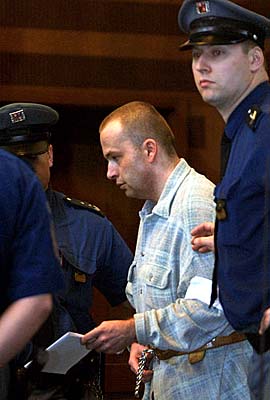
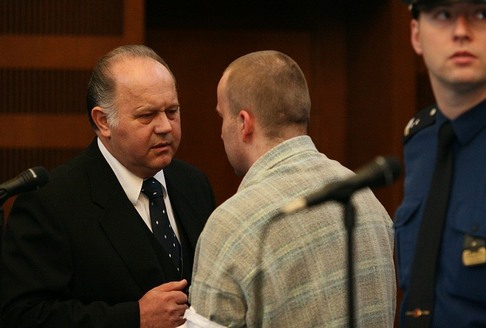
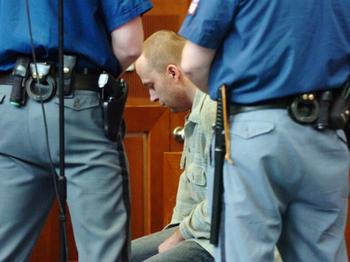
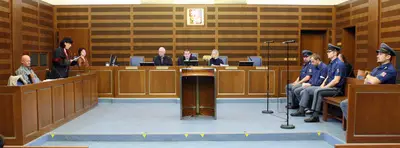
On February 21, 2008, the Hradec Králové Regional Court convicted Petr Zelenka of seven counts of murder and ten counts of attempted murder. The bench sentenced him to life imprisonment (Doživotí), precluding parole.
Petr Zelenka remains incarcerated at Valdice Prison, while his crimes prompted mandatory computer-locked drug dispensing units across Central European healthcare facilities.