



Forensic & Criminological Matrix
| Parameter | Forensic Detail |
|---|---|
| Forensic Heading / Aliases | Black Widows of Liverpool |
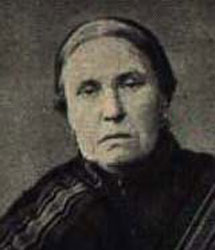
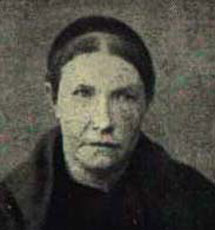
| Legal Identity | Catherine Flannagan |
| Confirmed Victims | 1 (Thomas Higgins, formally convicted); 3 additional highly suspicious deaths |
| Active Timeline | 1880 – 1883 |
| Jurisdiction / Area of Operations | Liverpool, Merseyside, England, United Kingdom |
| Criminological Classification | Profit-driven serial killer / Systematic poisoner |
| Forensic Modus Operandi | Progressive administration of arsenic dissolved in food to household residents, accompanied by burial insurance fraud |
| Weapon / Mechanism of Death | Arsenic (extracted via home-soaking of commercial flypaper) |
| Motive / Behavioral Dynamics | Financial gain through life insurance and burial society payouts |
| Judicial Outcome | Convicted of murder and executed by hanging at Kirkdale Prison on March 3, 1884 |
1. Background and Psychopathy
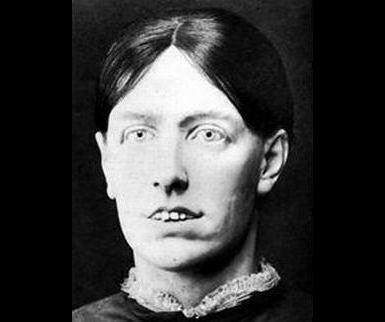
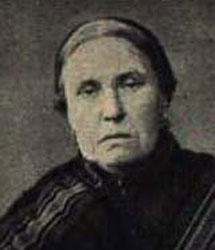
Catherine Flannagan, born in Ireland around 1829, operated a rooming house in Liverpool alongside her sister Margaret Higgins during the early 1880s. Amidst urban poverty and the rise of loosely regulated burial societies, the sisters devised a lethal enterprise centered on insuring the lives of vulnerable lodgers and family members before eliminating them.
2. Crime Spree and Modus Operandi
The sisters' methodology involved registering intended targets with multiple burial clubs, administering controlled doses of arsenic over time, and simulating natural gastrointestinal illnesses such as dysentery.
The sequence began in December 1880 with the sudden death of Catherine's 22-year-old son, John. Following Margaret's marriage to lodger Thomas Higgins in October 1882, young stepdaughter Mary Higgins and lodger Mary Jennings also died under suspicious circumstances, yielding consecutive insurance payouts.
The final targeted murder occurred in September 1883, when Thomas Higgins fell violently ill after consuming food prepared in the household. Although a local physician attributed his death to dysentery and alcohol abuse, the high mortality rate within the home provoked outside suspicion.
3. Investigation and Forensic Pursuit
Suspicion crystallized when Patrick Higgins, Thomas's brother, discovered that the deceased held policies across five distinct burial societies. Authorities ordered an exhumation, which took place directly during Higgins's wake.
Forensic toxicologist Dr. Campbell Brown identified lethal levels of arsenic in Higgins's internal organs and detected arsenic residue in Margaret Higgins's clothing. Subsequent exhumations of John Flannagan, Mary Higgins, and Mary Jennings revealed identical traces of the poison. Investigators ultimately uncovered that the sisters extracted the arsenic by soaking commercial flypaper in water.
4. Legal Proceedings and Outcome
Catherine Flannagan attempted to elude law enforcement by fleeing across boarding houses but was apprehended in Wavertree in October 1883. While in custody, Catherine attempted to implicate an extensive network of alleged female conspirators in exchange for leniency, though prosecutors dismissed these claims as self-serving attempts to deflect individual culpability.
Following a swift trial in February 1884, both sisters were convicted of murder. On March 3, 1884, Catherine Flannagan and Margaret Higgins were executed by hanging at Kirkdale Prison, terminating one of Victorian Britain's most notorious insurance-fraud poisoning rings.