



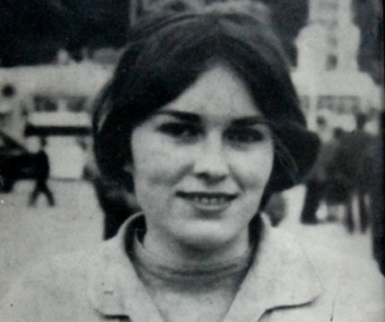
Forensic & Criminological Matrix
| Parameter | Forensic Detail |
|---|---|
| Forensic Heading / Aliases | The Nurse of Sušice |
| Legal Identity | Marie Fikáčková |
| Confirmed Victims | 2 (with suspected up to 10) |
| Active Timeline | 1957 - 1960 |
| Jurisdiction / Area of Operations | Sušice District Hospital, Czechoslovakia |
| Criminological Classification | Institutional / Healthcare Serial Killer |
| Forensic Modus Operandi | Severe blunt force trauma to the head and bone fractures inflicted on newborns in her custody |
| Weapon / Mechanism of Death | Direct physical force (cranial compression and blunt trauma) |
| Motive / Behavioral Dynamics | Intolerance of infant crying, hysterical outbursts, emotional instability |
| Judicial Outcome | Sentenced to death by hanging on October 6, 1960; executed at Pankrác Prison |
1. Background and Profile
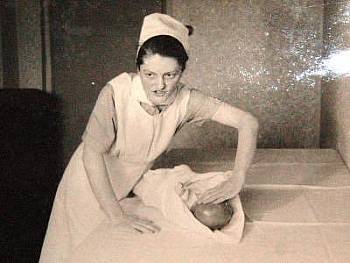
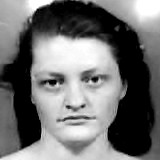
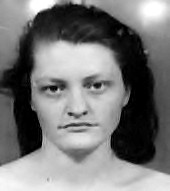
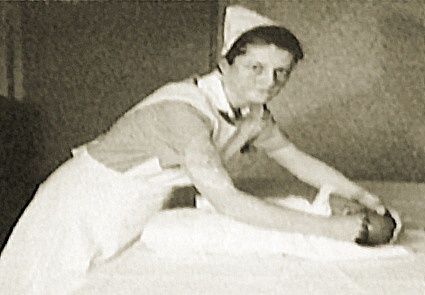
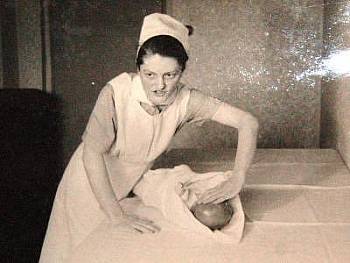
Marie Fikáčková was born on September 9, 1936, in Sušice, into an impoverished and severely dysfunctional family. Her father was a violent heavy drinker harboring strong anti-Czech sentiments, and her relationship with her mother was likewise fraught with tension. Despite this hostile domestic background, she performed well academically. In 1955, she successfully graduated from the Secondary Medical Service School in Klatovy and began working as a nurse at the Sušice District National Health Center. By October 1957, she was assigned to the obstetrics and maternity ward—a role where she initially projected competence while concealing a mounting intolerance toward infant care.
2. Criminal Career and Modus Operandi
Fikáčková's modus operandi exploited her night and day shifts in the maternity ward, targeting crying newborns who could not be easily pacified. During police interrogations, she admitted that her violent episodes typically correlated with her menstrual cycles, during which the sound of infant crying triggered uncontrollable fits of rage and hysteria. Utilizing her bare hands, she repeatedly crushed and beat the skulls of the infants, inflicting severe brain damage and broken bones. The lax supervision protocols and administrative oversight of the era within the provincial hospital enabled her to operate largely undetected until 1960.
3. Investigation and Arrest
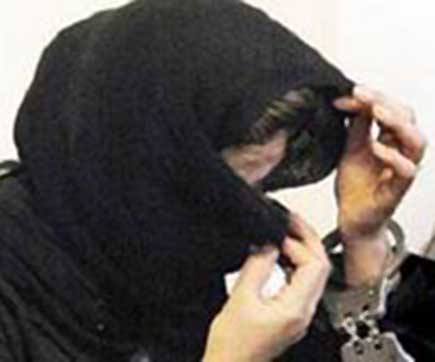
The investigation was catalyzed on February 23, 1960, when two newborn female infants died during her shift under suspicious circumstances. Forensic autopsies swiftly uncovered catastrophic cranial injuries and fractured limbs entirely inconsistent with routine neonatal care. On February 27, 1960, Fikáčková was arrested directly within the maternity ward. Following a grueling six-hour interrogation, she confessed past midnight to the murders of the two infants and claimed responsibility for attacking approximately ten other newborns in previous years, though insufficient documentation prevented prosecutors from formally charging those historical allegations.
4. Legal Proceedings and Outcome
Fikáčková's trial concluded swiftly. On October 6, 1960, she was formally sentenced to death for the murder of two newborns. Despite repeated appeals filed by her defense counsel, the appellate courts upheld the death penalty. Psychiatric evaluations concluded that while she suffered from severe hysteria and explosive emotional tendencies, she possessed full cognitive awareness and sanity during the commission of her crimes. On April 13, 1961, Marie Fikáčková was executed by hanging at Pankrác Prison in Prague, marking a dark milestone in Czech judicial history.