




Forensic & Criminological Matrix
| Parameter | Forensic Detail |
|---|---|
| Full Legal Name | Mahin Qadiri. |
| Criminological Landmark | First identified female serial killer in Iranian history. |
| Criminological Typology | Utilitarian predatory serial killer / Instrumental drug poisoner and suffocator. |
| Active Criminal Period | February 2006 – May 2009 (intensive serial streak in 2008–2009). |
| Location | Qazvin and surrounding provincial farmland, Islamic Republic of Iran. |
| Confirmed Victims | 6 fatalities (5 elderly pious women and 1 male landlord). |
| Modus Operandi | Stalking elderly worshippers outside mosques and pilgrimage shrines; offering complimentary rides in her yellow Renault 5; offering fruit juices laced with heavy doses of crushed sleeping pills; ligature strangulation using chadors or suffocating with plastic bags, followed by stripping all gold jewelry with pliers to settle crippling debt. |
| Judicial Penalty | Capital punishment by hanging pursuant to Islamic retribution law (Qisas). Executed on December 20, 2010, at Qazvin Central Prison. |
Background and Mounting Debts
Mahin Qadiri was born in Qazvin around 1977. Married with two young daughters—one suffering from severe congenital physical and cognitive disabilities—she projected the image of a respectable, religious middle-class homemaker. However, her household was crushed by an overwhelming debt exceeding 25 million tomans accumulated through her husband's failed enterprises, leaving the family exposed to legal detention and seizure of assets by private loan sharks.
Desperate to pay off creditors and finance her daughter's specialized medical treatments, Qadiri devised a calculated predatory strategy targeting elderly women who wore valuable traditional gold heirloom jewelry in public.
The Qazvin Shrines Serial Murders (2008–2009)
Admitting to studying Agatha Christie murder novels, Qadiri prowled her yellow/cream Renault 5 hatchback around major pilgrimage sanctuaries in Qazvin, most notably the holy shrine of Imamzadeh Hossein.
She surveyed elderly female worshippers walking alone. Approaching them with extreme filial deference and warmth, she offered them free lifts home. Once a victim was seated inside the automobile, Qadiri offered cold melon juice, orange beverages, or tea heavily laced with crushed sleeping pills and anesthetic sedatives.
As the sedated victims slipped into deep unconsciousness, Qadiri drove to secluded orchards and peripheral rural bypasses. Using cutting shears and pliers, she severed gold bangles, chains, and rings from their wrists and fingers. To eliminate eyewitness identification, she throttled the women with their own scarves or head coverings, or pressed plastic bags over their airways until cardiac arrest ensued, dumping their corpses in roadside gullies.
Five elderly women were methodically murdered across Qazvin, in addition to a former landlord whom she had previously poisoned under identical pretenses.
Investigation and Arrest
The discovery of elderly female corpses stripped of their jewelry triggered widespread public panic throughout Qazvin in early 2009. Police initially assumed the killer was a strong, predatory male, reflecting cultural preconceptions that female perpetrators were incapable of serial predatory slaughter.
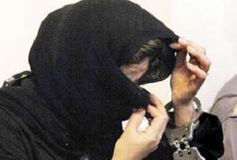
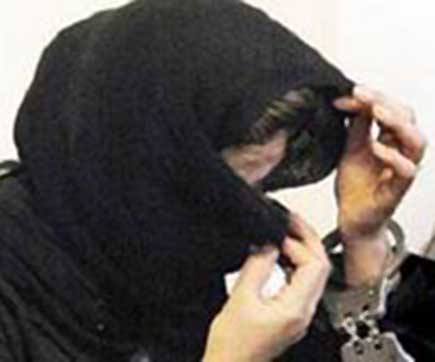
The breakthrough arrived when an alert prospective target refused the spiked beverage and noted the partial license plate of a compact yellow car operated by a female driver. Simultaneously, police monitored regional gold souks, flagging sales of uncertified molten gold. Detectives arrested Qadiri in May 2009.
Confession, Trial, and Hanging
A search of Qadiri's residence uncovered victims' personal effects, stolen jewelry, and industrial pill crushers. During filmed interrogations, Qadiri detailed the killings with clinical composure, explaining that each gold piece was pawned immediately to satisfy banking promissory notes.
Sentenced to death under the Islamic doctrine of Qisas, all appeals were exhausted. At dawn on December 20, 2010, 33-year-old Mahin Qadiri was executed by hanging inside Qazvin Central Prison. Her life and crimes were subsequently explored in Mohammad Kart's celebrated investigative documentary Mahin (2019).