Forensic & Criminological Matrix
| Parameter | Forensic Detail |
|---|---|
| Forensic Heading / Aliases | Mona Fandey / "Bomoh" |
| Legal Identity | Maznah Ismail |
| Confirmed Victims | 1 |
| Active Timeline | 1993 |
| Jurisdiction / Area of Operations | Pahang, Malaysia |
| Criminological Classification | Ritualistic Murderer / Fraudster |
| Forensic Modus Operandi | Esoteric ritual deception, decapitation, and dismemberment |
| Weapon / Mechanism of Death | Axe |
| Motive / Behavioral Dynamics | Financial gain and political ambition |
| Judicial Outcome | Death penalty by hanging |
1. Background and Psychopathy
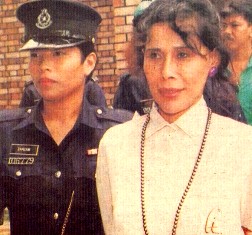
Maznah Ismail, professionally known as Mona Fandey, was a Malaysian pop singer turned shaman (bomoh). Together with her husband, Mohamad Nor Affandi Abdul Rahman, and their assistant, Juraimi Hassan, she exploited the superstitious beliefs of high-profile clients, including politicians, by promising supernatural success through talismans.
2. Crime Spree
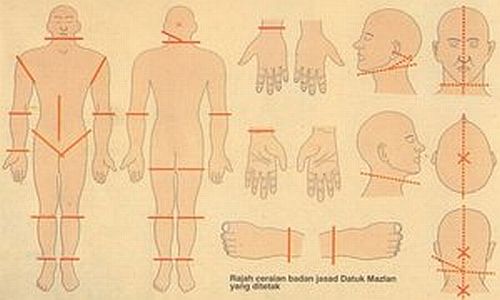
In 1993, Datuk Mazlan Idris, a state assemblyman, sought Fandey's services to advance his political career. During a ritual, he was instructed to lie down and wait for money to fall from the sky. Instead, he was decapitated with an axe. His body was dismembered into 18 pieces and buried in a storeroom.
3. Police Investigation and Forensic Hunt
Following Mazlan's disappearance and the withdrawal of a large sum of money, police tracked the suspects. The discovery of the remains led to the arrest of the trio. Evidence of a spending spree and cosmetic surgery post-murder solidified the prosecution's case regarding financial motive.
4. Judicial Proceedings
The trial was highly publicized. Fandey's demeanor—characterized by flamboyant clothing and constant smiling—drew significant media attention. She was convicted in 1995 and sentenced to death, a verdict upheld by the Federal Court.
5. Psychiatric Assessment and Outcome
Fandey, her husband, and their assistant were executed at Kajang Prison on November 2, 2001. She remained composed and defiant until the end, reportedly stating she would "never die." The case remains a significant study in the dangers of ritualistic exploitation and criminal narcissism.