Forensic & Criminological Matrix
| Parameter | Forensic Detail |
|---|---|
| Forensic Heading / Aliases | Steve |
| Legal Identity | David Curtiss Stephenson |
| Confirmed Victims | 1 |
| Attributed / Indicted Victims | 1 |
| Active Timeline | 1925 |
| Jurisdiction / Area of Operations | Indiana, United States |
| Criminological Classification | Sexual murderer / Political leader |
| Forensic Modus Operandi | Abduction, sexual assault, and denial of medical care |
| Weapon / Mechanism of Death | Physical assault, poisoning, and medical neglect |
| Motive / Behavioral Dynamics | Power, dominance, and sadism |
| Judicial Outcome | Life imprisonment for second-degree murder |
1. Background and Profile
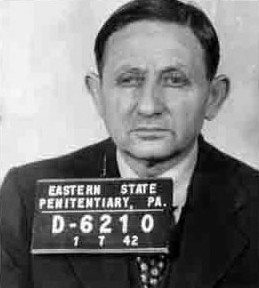
David Curtiss Stephenson was a prominent and controversial political figure in 1920s Indiana, serving as the Grand Dragon of the Ku Klux Klan. His criminological profile exhibits narcissistic and authoritarian traits, underscored by his belief that he was above the law, famously stating, “I am the law in Indiana.”
2. Criminal Career and Modus Operandi
In March 1925, Stephenson abducted Madge Oberholtzer, a state employee. He held her against her will on a private train and later in his home, where he subjected her to brutal sexual assault. The victim sustained severe injuries and was poisoned, eventually dying due to the deliberate denial of medical attention during her captivity.
3. Investigation and Arrest
The investigation was catalyzed by the dying declaration of the victim, who detailed the abuse she endured. Public outcry and forensic evidence allowed authorities to dismantle Stephenson’s network of influence, despite his attempts to use his political power to obstruct justice.
4. Legal Proceedings and Outcome
The trial became a landmark case in Indiana history. Despite his attempts at intimidation, Stephenson was convicted of second-degree murder in 1925 and sentenced to life imprisonment. His conviction signaled the decline of the KKK's political influence in Indiana.