Forensic & Criminological Matrix
| Parameter | Forensic Detail |
|---|---|
| Forensic Heading / Aliases | The Carnival Queen |
| Legal Identity | Evangelina Tejera Bosada |
| Confirmed Victims | 2 |
| Attributed / Indicted Victims | 2 |
| Active Timeline | March 18, 1989 |
| Jurisdiction / Area of Operations | Veracruz, Mexico |
| Criminological Classification | Filicide / Murderer |
| Forensic Modus Operandi | Blunt force trauma and post-mortem dismemberment |
| Weapon / Mechanism of Death | Impact against floor and kitchen knives |
| Motive / Behavioral Dynamics | Substance abuse, mythomania, and parental neglect |
| Judicial Outcome | Sentenced to 20 years; released in 2006 |
1. Background and Profile
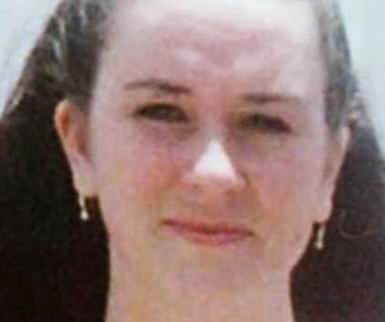
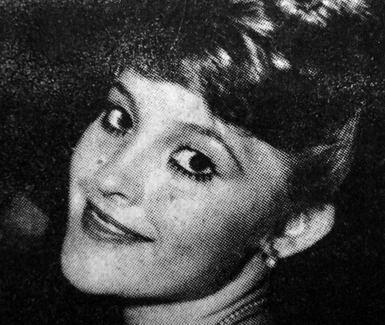
Born in 1965, Evangelina Tejera Bosada was raised in a dysfunctional environment. Her father, a physician with severe alcohol issues, groomed her for social status, leading to her 1983 crowning as the Carnival Queen of Veracruz. Post-fame, she descended into drug addiction and abusive relationships, leading to her social isolation.
2. Crime Spree
On March 18, 1989, in her apartment, Tejera murdered her two sons, Jaime (3) and Juan Miguel (2), by repeatedly slamming their heads against the floor. She then dismembered their bodies and buried the remains in large planters on her terrace, where they remained for over a month.
3. Investigation and Arrest
Her brother, Juan Miguel, alerted authorities after noticing the children's absence. Police discovered the remains in the planters. Tejera initially claimed the children died of malnutrition but eventually confessed under psychological pressure from the prosecution.
4. Legal Proceedings and Outcome
Tejera was sentenced to 20 years in prison. She served her time in various facilities, including the Ignacio Allende prison, where she became involved with high-profile criminals, including members of the Zetas cartel. She was released in 2006.
5. Psychiatric Evaluation and Aftermath
Despite claims of mental instability and mythomania, she was found criminally responsible. Her case remains a dark chapter in Veracruz's history, often cited in local folklore and true crime literature.