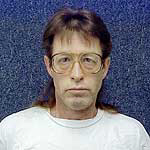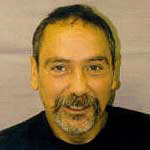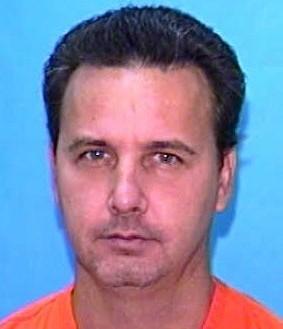





Forensic & Criminological Matrix
| Parameter | Forensic Detail |
|---|---|
| Forensic Heading / Aliases | None |
| Legal Identity | Thomas Grant Ervin |
| Confirmed Victims | 2 |
| Attributed / Indicted Victims | 2 |
| Active Timeline | 1988 |
| Jurisdiction / Area of Operations | Jefferson City, Missouri |
| Criminological Classification | Career Criminal / Robbery-Homicide |
| Forensic Modus Operandi | Home invasion, restraint with duct tape, asphyxiation via plastic bag |
| Weapon / Mechanism of Death | Duct tape, plastic bags, firearm (intimidation) |
| Motive / Behavioral Dynamics | Financial gain and witness elimination |
| Judicial Outcome | Executed by lethal injection |
1. Background and Profile
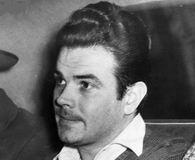
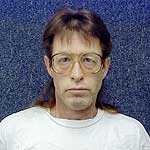
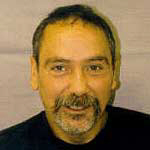
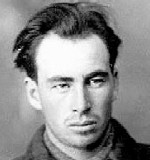
Born in 1951, Thomas Grant Ervin had a prior criminal record, including a 1967 murder conviction for the killing of a taxi driver. He met his accomplice, Bert L. Hunter, while incarcerated. After their release, they briefly worked for the Missouri Department of Revenue before succumbing to cocaine abuse and embarking on a multi-state robbery spree.
2. Criminal Career and Modus Operandi
On December 15, 1988, Ervin and Hunter targeted the home of Richard Hodges in Jefferson City. They bound Mildred Hodges and her son Richard with duct tape. To ensure silence and prevent identification, they placed plastic bags over the victims' heads, causing death by asphyxiation. The duo then ransacked the home for valuables.
3. Investigation and Arrest
Following the discovery of the bodies, law enforcement launched an investigation that led to the arrest of both men a month later. Hunter confessed and implicated Ervin, claiming Ervin was the mastermind behind their robbery operations. Ervin consistently denied involvement, asserting he was at home during the time of the murders.
4. Legal Proceedings and Outcome
Ervin's trial took place in 1990. Despite his claims of innocence and arguments regarding the unreliability of Hunter's testimony, he was convicted on two counts of first-degree murder and robbery. He was sentenced to death. His appeals, which focused on the alleged inadequacy of his trial counsel and the suppression of exculpatory evidence, were ultimately denied.
5. Final Disposition
Thomas Grant Ervin was executed by lethal injection at the Potosi Correctional Center on March 28, 2001. In his final statement, he criticized the judicial system for failing to allow him to prove his innocence.