



Forensic & Criminological Matrix
| Parameter | Forensic Detail |
|---|---|
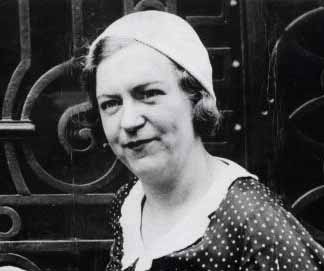
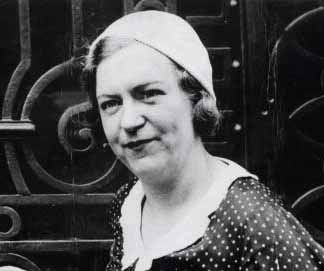
| Full Legal Name | Elvira Dolores Mullens Barney |
| Media Monikers | The Bright Young Things Heiress, The Knightsbridge Mews Murderess |
| Nationality | British |
| Date of Birth | January 22, 1904, London, England |
| Date of Death | December 25, 1936 (aged 32, discovered dead in a Paris hotel room) |
| Historical Penal Status | Indicted for murder and manslaughter at the Old Bailey in July 1932; acquitted of both charges; fined £50 for unlicensed firearm possession |
| Alleged Fatality | Michael Scott Stephen (24, socialite lover and bohemian playboy) |
| Shooting Incident Date | May 31, 1932 (approximately 04:00 BST) |
| Geographic Crime Scene | Two-story residential mews apartment at 21 William Mews, Knightsbridge, London |
| Ballistic Weaponry | .32-caliber Smith & Wesson Safety Hammerless five-shot revolver |
| Forensic Jurisprudential Impact | Emblematic study of interwar British socialite crime culture (Bright Young Things); benchmark in criminal advocacy featuring Sir Patrick Hastings's forensic dismantling of prosecution ballistic experts |
| Diagnostic Outcome | Contact-range thoracic wound sustained during an intimate physical struggle; legally adjudicated as accidental discharge under extreme intoxication |
1. Social Standing and the "Bright Young Things"
Elvira Dolores Mullens was born to wealth and aristocratic privilege as the daughter of Sir John Mullens, an affluent baronet and chief stockbroker to the Royal Household. Following brief theatrical appearances and a failed marriage to American singer John Sterling Barney, Elvira emerged as a fixture within the "Bright Young Things", London's hedonistic interwar social elite defined by jazz clubs, cocaine experimentation, and reckless leisure.
In 1931, Barney established residence at 21 William Mews in fashionable Knightsbridge, cohabiting with Michael Scott Stephen, an impoverished 24-year-old dandy. Their relationship was characterized by intense domestic turbulence, alcohol-fueled disputes, and previous discharges of firearms inside the dwelling.
2. The William Mews Shooting (May 31, 1932)
Following a night of drinking across West End private clubs, the couple returned to William Mews in the early hours of May 31, 1932:
- The Bedroom Dispute: Neighbors heard loud shouting and violent crashing, with Barney accusing Stephen of pursuing other women, allegedly screaming: "I'll shoot you! I will kill you!"
- The Gunshot: Around 4:00 AM, a gunshot echoed through the mews. Stephen suffered a contact bullet wound through the left lung, severing the pulmonary artery.
- Emergency Response: Barney placed frantic calls to Dr. Thomas Durrant, pleading for assistance. Arriving physicians found Stephen expiring on the upper landing, with Barney weeping uncontrollably and embracing his bleeding body.
3. Forensic Ballistics and Indictment
Metropolitan Police detectives recovered a .32 Smith & Wesson Safety Hammerless revolver containing two spent casings (one discharged that morning and another into a bedroom wall days earlier):
- Noted gunsmith and forensic ballistics witness Robert Churchill testified that the internal-hammer weapon required heavy trigger pull (nearly 14 pounds in double action), contending accidental firing was improbable.
- Neighbor accounts corroborated domestic discord and violent threats immediately preceding the shot.
- On June 3, 1932, Barney was formally committed to Holloway Prison under capital murder charges.
4. Old Bailey Trial and Landmark Acquittal
The trial commenced at the Central Criminal Court (Old Bailey) on July 4, 1932 before Mr. Justice Travers Humphreys:
- Barney was represented by Britain's most celebrated trial advocate, Sir Patrick Hastings:
- Hastings subjected ballistic expert Robert Churchill to rigorous cross-examination, forcing him to concede that during a chaotic close-quarters struggle between two intoxicated adults, the safety lever could be depressed involuntarily.
- Barney testified that she had brandished the gun threatening suicide and that Stephen had rushed her to wrench it away, causing an unintended discharge.
- On July 5, 1932, after deliberating for less than two hours, the jury returned unanimous verdicts of not guilty of murder and manslaughter.
5. Post-Trial Seclusion and Demise
Ostracized by high society following the public exposure of her dissolute lifestyle, Barney relocated to Paris. On December 25, 1936, she was discovered dead in a hotel room in Paris at age 32 following years of severe alcohol dependency.