



Forensic & Criminological Matrix
| Parameter | Forensic Detail |
|---|---|
| Forensic Heading / Aliases | "Half Hangit Maggie" |
| Legal Identity | Margaret Dickson |
| Confirmed Victims | 1 (neonate, classified under infanticide/concealment statutes) |
| Active Timeline | 1723 - 1724 |
| Jurisdiction / Area of Operations | Edinburgh and Musselburgh, Scotland, United Kingdom |
| Criminological Classification | Accused neonaticide/concealment offender (judicial survivor) |
| Forensic Modus Operandi | Concealment of extrametrimonial pregnancy and subsequent abandonment of a deceased newborn's body along the River Tweed. |
| Weapon / Mechanism of Death | Judicial hanging (survived due to incomplete strangulation mechanics) |
| Motive / Behavioral Dynamics | Severe socioeconomic distress, marital abandonment, and harsh legal penalization of illegitimate births. |
| Judicial Outcome | Sentenced to hang on September 2, 1724; revived inside her coffin en route to burial, interpreted as divine intervention, granted a full royal/judicial pardon and lived for over two decades. |
1. Background and Profile
Margaret Dickson, widely known as "Half Hangit Maggie," was born around 1702 in Scotland. Working as a fishwife in Musselburgh, her life was upended when her mariner husband deserted her in the early 1720s. Left in extreme poverty with two children, she migrated south toward the Borders, eventually finding employment as an inn servant in Kelso. During this period, she engaged in an affair with the innkeeper's son, resulting in an unsanctioned pregnancy.
2. Criminal Career and Modus Operandi
Fearing destitution, the loss of her livelihood, and the severe societal and legal repercussions of out-of-wedlock pregnancy, Margaret concealed her condition. She secretly delivered a premature infant who died shortly after birth while hidden beneath her bed. Desperate to protect her lover and avoid scandal, she attempted to dispose of the body near the River Tweed. A local fisherman discovered the remains later that day, immediately directing investigators toward her.
3. Investigation and Arrest
Under the stringent Scottish Act of 1690 regarding child murder and pregnancy concealment, failing to declare a pregnancy legally presumed maternal guilt, regardless of whether the infant was stillborn or died of natural causes. Margaret was arrested, interrogated, and remanded to the notorious Tolbooth prison in Edinburgh to await trial under punitive statutory frameworks targeting impoverished working-class women.
4. Legal Proceedings and Outcome
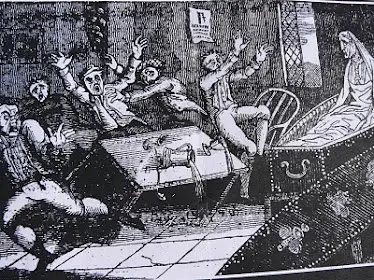
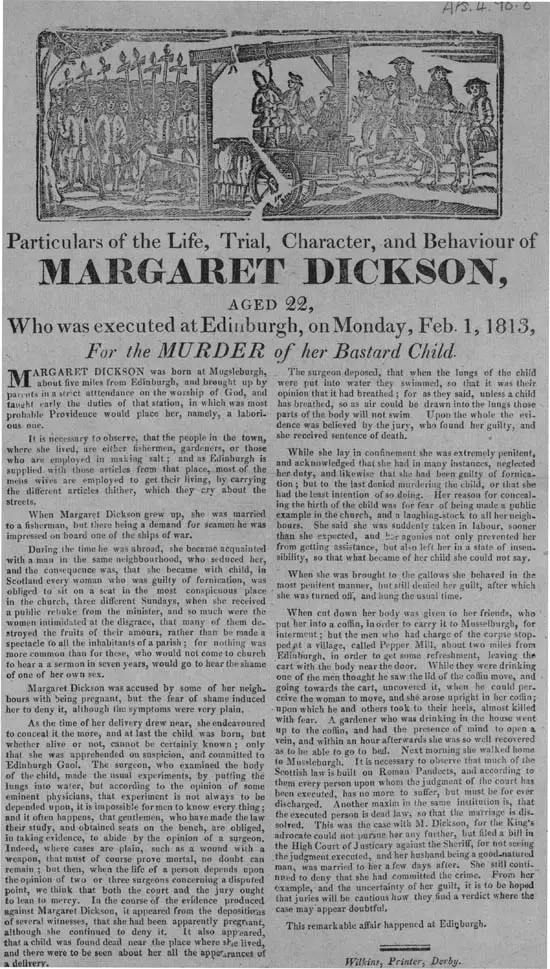
Tried in Edinburgh, Margaret maintained that the infant had been born dead and her only wrongdoing was concealing the corpse. Despite weak material evidence, the court found her guilty under the strict statutory provisions and sentenced her to death. On September 2, 1724, executioner John Dalgliesh hanged her at the Grassmarket, and attending physicians pronounced her dead after the mandatory suspension period.
5. Psychiatric Assessment and Criminological Outcome
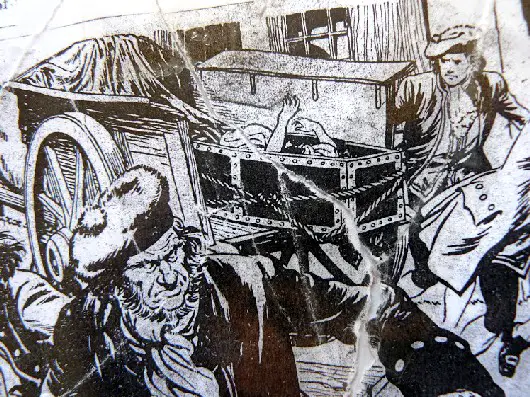
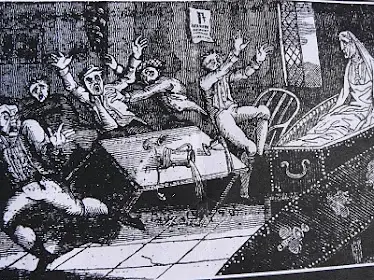
What followed remains one of the most remarkable anomalies in British legal history. Placed in a wooden coffin, Margaret's body was carted toward Musselburgh for burial. When the pallbearers stopped at an inn for refreshments, muffled noises emanated from the casket. Upon opening it, witnesses discovered that Margaret had revived—likely due to improper drop/rope mechanics or a transient physiological state. Because the death sentence had technically been fully executed by law, authorities viewed her survival as divine intervention and granted her a full pardon. "Half Hangit Maggie" lived a further 25 years in relative prosperity, operating an alehouse until her natural death around 1753.