




Elizabeth Jones: "The Cleft Chin Murder", Karl Hulten, and the Wartime "Bonnie and Clyde" Spree in Blitz-Torn London (1944–1945)
Executive Summary
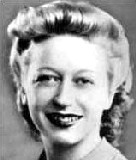
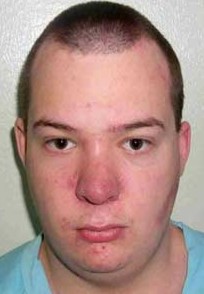
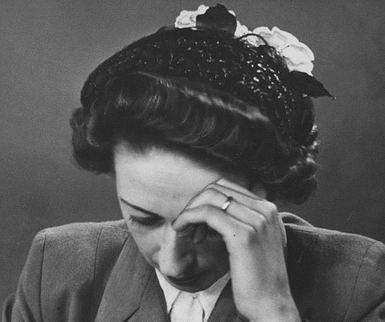
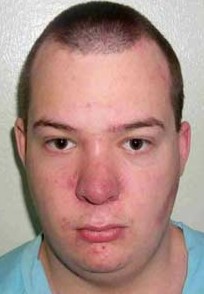
Elizabeth Maud Jones (born July 5, 1926, in Neath, Glamorgan, Wales), widely publicized by the wartime press as "Betty Jones", was an 18-year-old Welsh striptease dancer and chorus girl who, alongside 22-year-old United States Army deserter Karl Gustav Hulten (a paratrooper masquerading as Chicago mobster "Ricky Allen"), embarked on a six-day armed robbery rampage through blackout-shrouded London in October 1944. The violent spree culminated on the night of October 7, 1944, in the cold-blooded point-blank execution of private hire-car driver George Edward Heath (34), christened by Scotland Yard and the press as "The Cleft Chin Murder" after the pronounced anatomical dimple on the victim's chin.
The homicide scandalized British and American public opinion during the critical final stages of World War II. Hypnotized by Hulten’s gangster persona and promises of American cinematic glamor, Jones served as an eager accomplice in consecutive armed hold-ups using a stolen 2.5-ton U.S. Army truck. Luring Heath under the guise of an ordinary fare, Hulten fired a .45 ACP bullet through Heath’s spine from the backseat while Jones rifled the dying man’s pockets, stripping his wallet and wristwatch before abandoning the corpse in a roadside ditch.
Following their sensational trial at the Old Bailey in January 1945 before Mr Justice Ernest Charles, both defendants were convicted of murder under the Anglo-American doctrine of joint enterprise and sentenced to death by hanging. While Karl Hulten was hanged at HM Prison Pentonville on March 8, 1945, Home Secretary Herbert Morrison granted Elizabeth Jones an executive reprieve two days before her scheduled execution, citing her extreme youth (18). Commuted to life imprisonment, Jones served nine years at HM Prison Holloway before being granted parole in May 1954.
Forensic Technical Matrix
| Parameter | Criminological & Forensic Detail |
|---|---|
| Legal Identity | Elizabeth Maud Jones |
| Public Notoriety Name | Elizabeth Jones |
| Criminological Aliases | "Betty Jones", The "Cleft Chin Murder" Case |
| Date of Birth | July 5, 1926 (Neath, Glamorgan, Wales, UK) |
| Vital & Legal Status | Released on parole (Released); granted Royal Mercy reprieving capital sentence in 1945, freed in 1954 |
| Criminological Classification | Armed joint-enterprise accessory / Wartime spree accomplice |
| Confirmed Fatal Victims | 1 (George Edward Heath, 34, private hire-car driver) |
| Surviving Spree Victims | 2 hold-up victims (a female cyclist and a female taxi driver) |
| Material Co-perpetrator | Karl Gustav Hulten (22, U.S. Army airborne deserter; executed by hanging at Pentonville) |
| Weapon of Offense | U.S. military-issue Colt M1911 .45 ACP semiautomatic service pistol |
| Primary Motive | Vicarious thrill-seeking, American film-noir gangster infatuation, and financial greed |
| Geographic Scene | Great West Road, Chiswick, and Staines Moor, Middlesex (Greater London, UK) |
| Investigative Authorities | Metropolitan Police Service (Scotland Yard; Detective Chief Inspector Robert Fabian) & U.S. Army CID |
| Trial Court | Central Criminal Court (Old Bailey, London; Mr Justice Sir Ernest Charles presiding) |
| Definitive Sentence | Death by hanging commuted to penal servitude for life; released on parole in May 1954 |
Early Background and London Blackout Subculture
Elizabeth Jones was raised in the Welsh coal mining township of Neath. Seeking liberation from provincial poverty, she migrated to wartime London at age sixteen, taking work as a waitress before transitioning into exotic dancing and cabaret striptease across Soho's subterranean clubs. The total blackout enforced across London to thwart Luftwaffe bombardments created an underworld culture characterized by black-market racketeering, illicit drinking dens, and relaxed moral boundaries.
In late September 1944, at a tea bar in Hammersmith Broadway, Jones encountered Karl Gustav Hulten, an American paratrooper from the 508th Parachute Infantry Regiment who had absconded from his barracks with a stolen military truck. Calling himself "Ricky Allen", Hulten boasted of being a hardened Chicago syndicate enforcer temporarily pressed into military service. Infatuated by American cinematic tropes, Jones eagerly bonded with Hulten, validating his violent fabrications and joining him on nocturnal expeditions.
The Six-Day Violent Spree: Escalation to Homicide
Between October 3 and October 6, 1944, Hulten and Jones terrorized London’s darkened thoroughfares:
- Assault on a Cyclist: On October 3, they deliberately struck an adolescent civilian bicyclist near Reading with the heavy military truck, snatching her handbag and abandoning her in roadside undergrowth.
- Runnymede Taxi Ambush: On October 5, they hired a female taxicab driver. In an isolated lane, Hulten struck the driver with an iron bar and robbed her, and the pair dumped her into the River Thames at Runnymede, presuming she would drown (she swam to the bank and alerted authorities).
On the evening of October 6, having exhausted their cash reserves, they engaged 34-year-old George Edward Heath, who operated a gray Ford V8 hire-car from central London. Heath, medically exempt from military combat duties, possessed a distinct, pronounced dimple on his chin. He agreed to drive them to southwestern suburbs for an agreed fee.
At approximately 2:30 AM on October 7, while driving along the Great West Road near Chiswick, Hulten instructed Heath to pull over under the pretext of vehicle trouble. Sitting directly behind the driver's seat, Hulten raised his .45 caliber Colt pistol and fired a shot directly into Heath's back. The heavy slug pierced Heath's spine, lung, and heart.
As Heath groaned and bled profusely, Elizabeth Jones leaned over the front seat and removed his wallet containing thirteen pounds, his wristwatch, and minor personal effects. The pair drove the car with the dying driver to Staines Moor, dumping Heath's body into a drainage ditch before driving off in the stolen vehicle.
Forensic Breakthrough and Arrest by "Fabian of the Yard"
Heath’s body was recovered hours later by a pedestrian. An immediate autopsy by Home Office pathologists extracted a .45 ACP bullet, pointing unequivocally to U.S. military-issue weaponry. Scotland Yard assigned legendary Detective Chief Inspector Robert Fabian ("Fabian of the Yard") to coordinate the investigation with the U.S. Army Criminal Investigation Division (CID).
Over the ensuing three days, Hulten and Jones audaciously drove Heath's Ford around London, dining at restaurants, attending theaters, and pawning Heath's watch. On October 10, an observant police constable noticed the stolen car parked near Jones's flat in Hammersmith.
When Hulten returned to the car, police surrounded him. Following a short foot chase, Hulten was pinned to the ground; Heath’s car keys and the loaded .45 murder weapon were found in his trench coat. Brought into Hammersmith Police Station, Jones broke down and signed a 9-page confession, admitting her presence, theft of the wallet, and disposal of the body while seeking to cast the trigger-pulling solely upon Hulten.
The Old Bailey Trial, Pentonville Execution, and Jones's Reprieve
The joint trial opened at the Old Bailey on January 16, 1945, displacing war bulletins across British headlines. Jones’s counsel pleaded psychological coercion, claiming she acted under mortal terror of the violent American deserter. Hulten contended that the firearm discharged accidentally during a physical scuffle.
Presiding Judge Sir Ernest Charles swept these excuses aside, instructing the jury that under the law of joint enterprise, any individual participating in a violent armed robbery shares full legal culpability for resulting fatalities. On January 22, 1945, the jury returned guilty verdicts of wilful murder against both prisoners. Mr Justice Charles pronounced the mandatory sentence of death by hanging.
Hulten Hanged, Jones Reprieved
The U.S. Government waived military jurisdiction, allowing British civilian law to take its course. On March 8, 1945, Karl Gustav Hulten was executed on the gallows of HM Prison Pentonville by master executioner Albert Pierrepoint.
Two days before Elizabeth Jones was scheduled to hang at HM Prison Holloway, Home Secretary Herbert Morrison advised the Crown to exercise the Royal Prerogative of Mercy. Jones's chronological age (18 years) and the fact that she had not fired the fatal weapon prompted the commutation of her sentence to life imprisonment.
Following nine years of exemplary conduct at Holloway, Elizabeth Jones was granted parole in May 1954, vanishing into private anonymity. The case remains a fixture of British criminological history, dramatized in the 1990 feature film Chicago Joe and the Showgirl.