


Forensic & Criminological Matrix
| Parameter | Forensic Detail |
|---|---|
| Forensic Heading / Aliases | The Blood Countess |
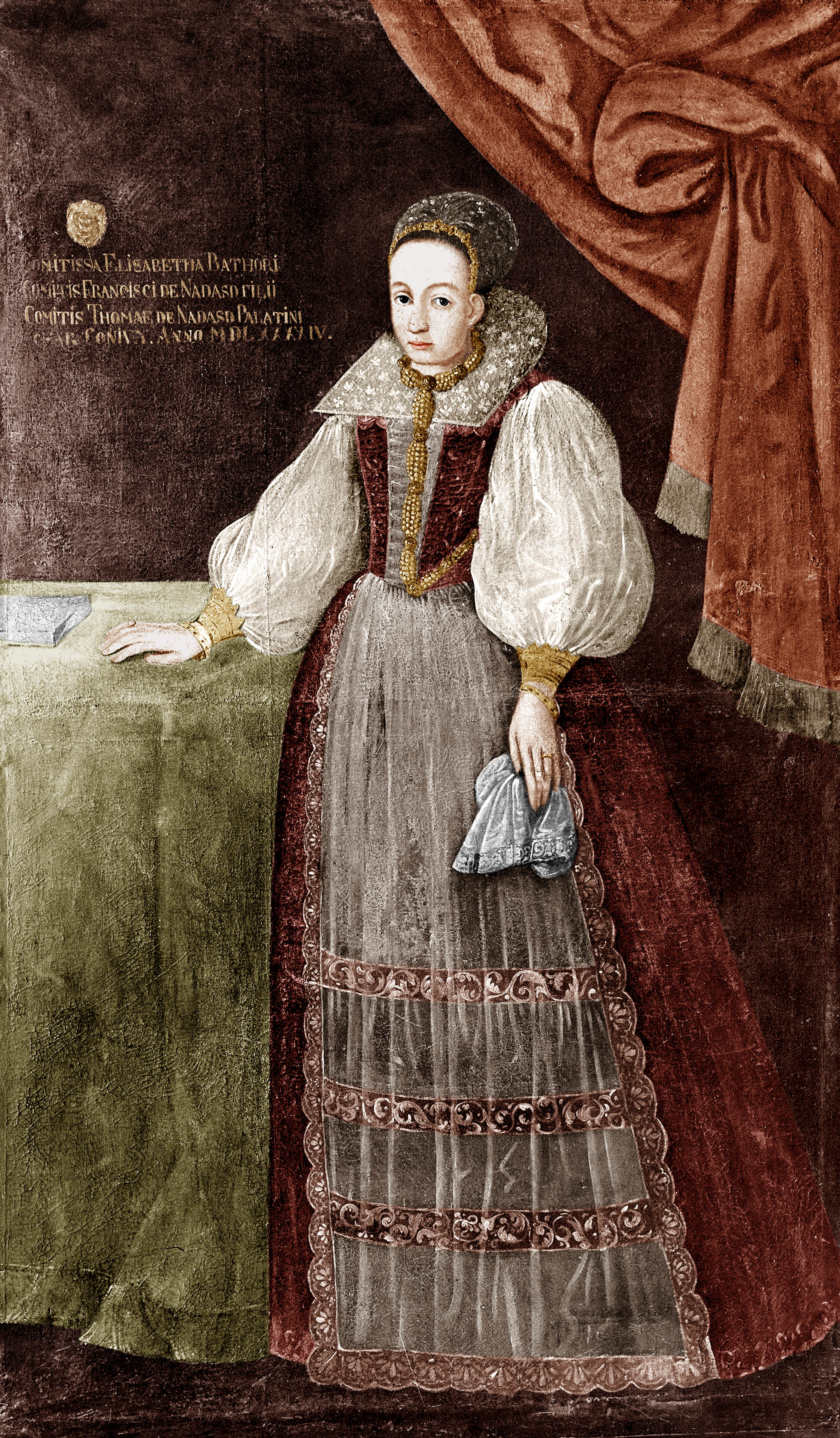
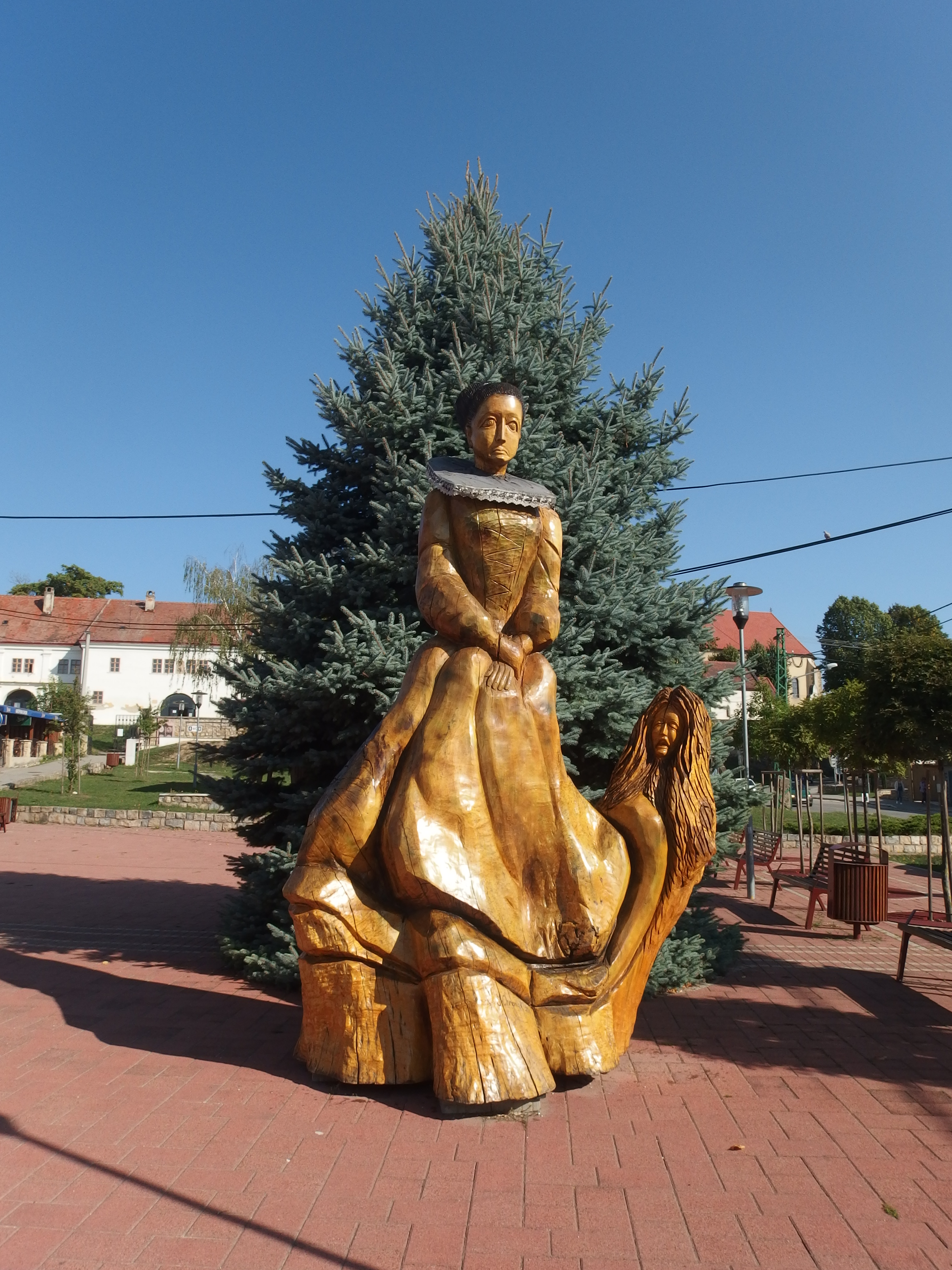
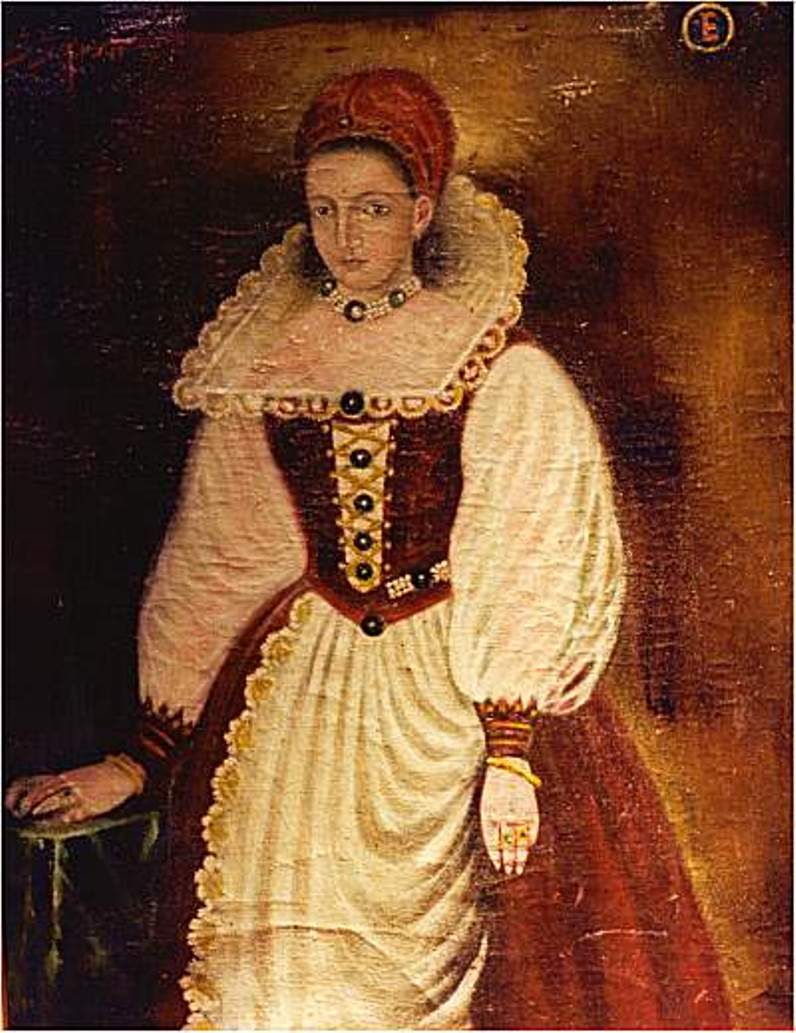
| Legal Identity | Erzsébet Báthory de Ecsed |
| Confirmed Victims | 80 (judicially); ~650 (estimated in the 'Book of the Dead') |
| Active Timeline | 1585 - 1610 |
| Jurisdiction / Area of Operations | Csejte Castle (Kingdom of Hungary, modern-day Slovakia) |
| Criminological Classification | Organized Serial Killer / Power-Sadist |
| Forensic Modus Operandi | Systematic torture, mutilation, burns, starvation, and extreme exposure |
| Weapon / Mechanism of Death | Needles, pincers, freezing water, fire, sensory deprivation |
| Motive / Behavioral Dynamics | Sexual and control-based sadism, narcissistic personality disorder |
| Judicial Outcome | Perpetual solitary confinement (immurement) |
1. Background and Psychopathy
Erzsébet Báthory was born into the Báthory of Ecsed family, one of the most powerful aristocratic lineages in Central Europe. Her family history was marked by inbreeding, which criminologists link to potential neurological instabilities and episodes of uncontrollable rage. From a young age, she was exposed to the extreme violence of the era. Following her marriage to Count Ferenc Nádasdy, she managed vast estates while he was away at war. It is theorized that her latent sadism fully manifested after Nádasdy's death in 1604, as she lost the final social and moral restraint that held her impulses in check.
2. Crime Spree and Modus Operandi
The Countess's modus operandi was characterized by methodical cruelty. Initially, her victims were peasant girls lured to the castle with promises of work. Later, she targeted daughters of the lower nobility. Forensic reconstructions based on historical testimonies include: burning victims with candles and hot irons, inserting needles under fingernails, and dousing victims in freezing water during winter until death by hypothermia. The myth of bathing in blood for eternal youth is regarded by CRIMETECA as an 18th-century folkloric addition, as it is not supported by the original judicial records, which focus on pure sadism.
3. Investigation and Forensic Hunt
Rumors of mass disappearances and screams emanating from the castle reached King Matthias II. In 1610, the King ordered Palatine György Thurzó to conduct an official investigation. Thurzó gathered over 300 testimonies. The investigation culminated in a surprise raid on Csejte Castle, where investigators discovered fresh corpses and survivors in advanced stages of torture and malnutrition.
4. Arrest and Judicial Process
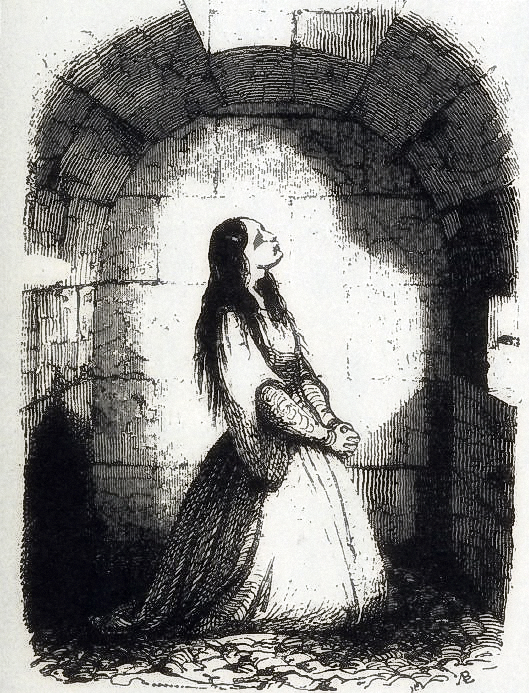
Following the December 1610 raid, Báthory was placed under house arrest. Her primary accomplices were tried in 1611 and, under torture, confessed to the scale of the atrocities. While the accomplices were executed, Erzsébet's noble status protected her from a public trial and execution. She was sentenced to perpetual solitary confinement within her own rooms, which were walled up with only small slits for air and food.
5. Psychiatric Assessment and Outcome
Modern criminological analysis suggests Báthory exhibited clear traits of antisocial personality disorder with paraphilic sexual sadism. Her behavior was not driven by financial gain but by the gratification derived from absolute control and the infliction of pain. She died in her cell on August 21, 1614. Her case remains one of the most prolific serial murder files in documented history.