



Forensic & Criminological Matrix
| Parameter | Forensic Detail |
|---|---|
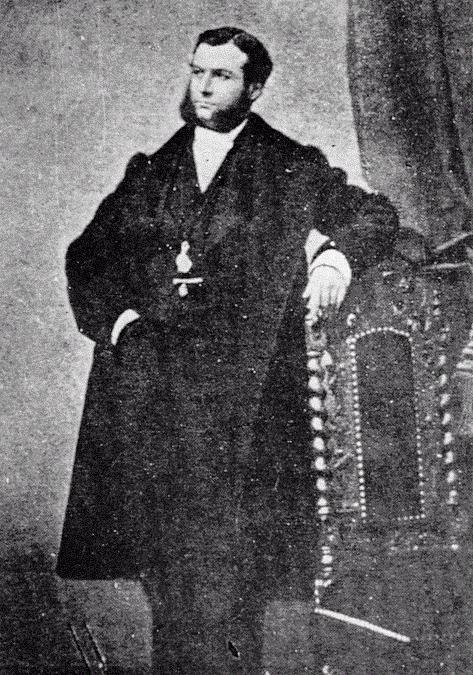
| Full Legal Name | Edme-Samuel Castaing |
| Media Monikers | The Morphine Doctor, The First Alkaloid Poisoner |
| Nationality | French |
| Date of Birth | 1796, Alençon, Normandy, France |
| Date of Death | December 6, 1823 (aged 27, executed by guillotine at Place de Grève, Paris) |
| Historical Penal Status | Convicted by the Paris Criminal Court of murder by poisoning of Auguste Ballet and testamentary fraud; sentenced to death |
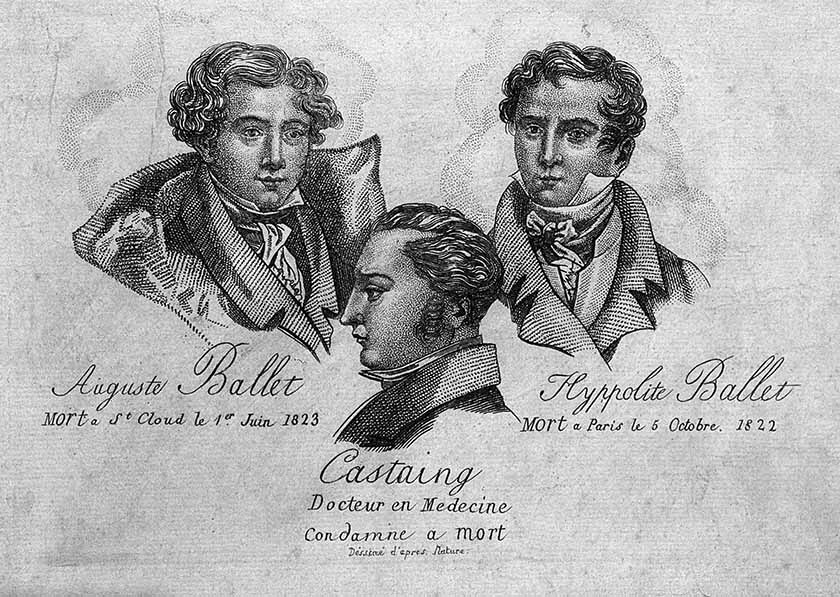
| Confirmed Murder Victims | 2 homicides: affluent brothers Hippolyte Ballet (died October 1822) and Auguste Ballet (25, died June 1, 1823) |
| Active Timeline | October 1822 to June 1823 |
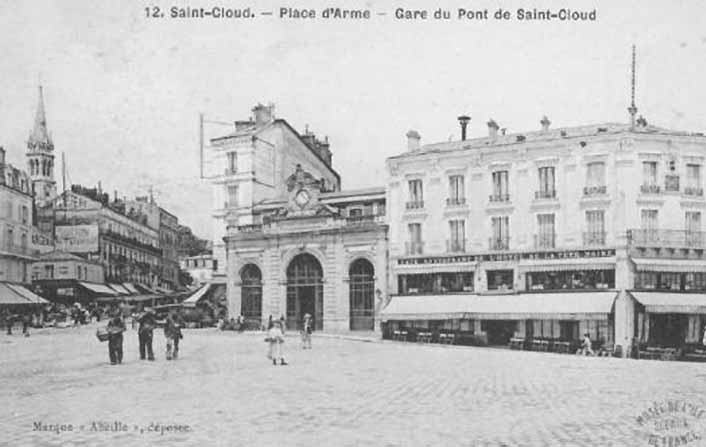
| Geographic Jurisdiction | Paris and the Tête Noire inn at Saint-Cloud, France |
| Lethal Toxicological Agent | Morphine acetate administered covertly in spiced hot wine and warm milk |
| Forensic Landmark Significance | First criminal trial in global judicial history involving the homicidal deployment of morphine (isolated in 1804 by Sertürner); stimulated pioneering toxicological jurisprudence under Dr. Mathieu Orfila |
| Primary Forensic Motive | Predatory asset expropriation and testamentary fraud exploiting medical authority and interpersonal trust |
1. Criminological Trajectory and Professional Standing
Edme-Samuel Castaing graduated with high honors from the Paris Faculty of Medicine in 1821. Despite professional credentials, Castaing accumulated substantial covert debts supporting a mistress and two illegitimate children.
Through Parisian bourgeois circles, Castaing formed an intimate companionship with two wealthy young brothers, Hippolyte and Auguste Ballet, heirs to an estate exceeding 200,000 francs. Both men suffered from frail physical health, and Castaing positioned himself as their trusted personal physician and estate confidant.
2. The Morphine Poisonings (1822–1823)
Castaing monitored cutting-edge European pharmacological research regarding newly isolated opium alkaloids. He realized that morphine acetate possessed neither pungent odor nor intense telltale coloration when diluted in beverages, and that its fatal toxicity mirrored cerebral congestion or natural gastrointestinal collapse:
- The Death of Hippolyte Ballet (October 1822): Hippolyte suffered from pulmonary consumption. Castaing persuaded him to modify testamentary bequests, disinheriting his brother Auguste. Following private administrations of remedies by Castaing, Hippolyte suffered violent convulsions and lapsed into a fatal coma. Castaing secured 100,000 francs through this initial maneuvering.
- The Scheme against Auguste Ballet (May 1823): With Auguste distraught over his brother's demise, Castaing gained absolute influence over him. He induced the young heir to draft a notarized will naming Castaing the sole universal legatee of his entire fortune in the event of death without direct heirs.
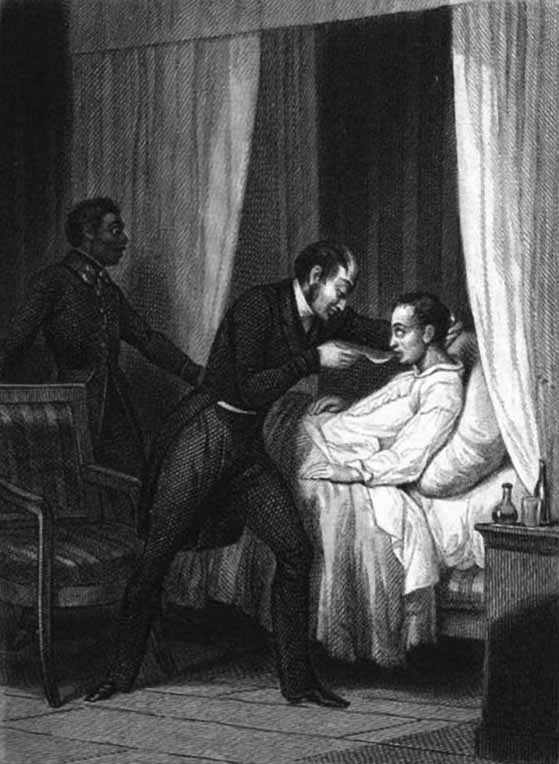
- The Saint-Cloud Excursion (May–June 1823): On May 28, 1823, Castaing accompanied Auguste to the Tête Noire country inn in Saint-Cloud. Castaing made secret round-trips to Paris apothecaries, acquiring 36 grains of morphine acetate under the pretext of zoological animal experiments. That evening, he served Auguste hot spiced wine; the next morning, warm milk.
- Auguste experienced violent bilious vomiting, agonizing abdominal contractions, and profound coma. Despite the belated summoning of local practitioners, Auguste expired on June 1, 1823, aged 25.
3. Forensic Investigation and Mathieu Orfila's Analysis
The sequential death of two young brothers within seven months alerted Ballet relatives, who demanded judicial inquiry:
- Police searches of Castaing uncovered the newly executed will naming him heir, along with apothecary sales ledgers documenting large purchases of morphine acetate immediately prior to Auguste's illness.
- Paris magistrates remanded Castaing into custody and commissioned post-mortem toxicological analysis led by the eminent forensic scientist Dr. Mathieu Orfila, renowned as the father of modern toxicology.
- Although analytic chemistry in 1823 could not extract pristine crystalline morphine from decomposed viscera, the acute pathological gastritis observed combined with apothecary receipts established decisive circumstantial proof.
4. Courtroom Verdict and Guillotine Execution
The trial opened on November 10, 1823 at the Seine Criminal Court in Paris, attracting celebrated European legal and medical figures:
- Castaing maintained cold, unwavering detachment, asserting that the morphine purchases were intended for experimental canine vivisections.
- On November 17, 1823, the jury returned guilty verdicts for the premeditated murder of Auguste Ballet and testamentary forgery, condemning Castaing to capital punishment.
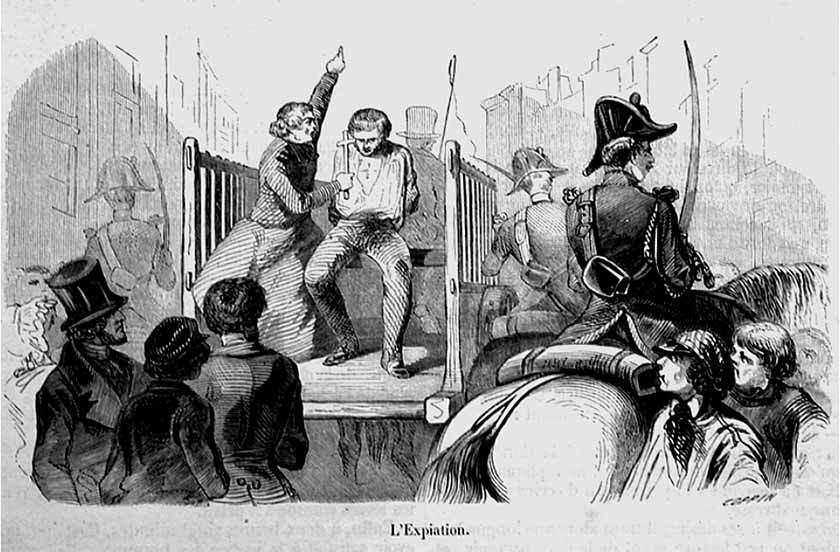
At dawn on December 6, 1823, before dense crowds assembled at Place de Grève in Paris, Edme-Samuel Castaing was led to the guillotine and executed at age 27, marking the first recorded morphine homicide in forensic history.