



Forensic & Criminological Matrix
| Parameter | Forensic Detail |
|---|---|
| Forensic Heading / Aliases | Count de la Pommerais |
| Legal Identity | Edmond-Désiré Couty de la Pommerais |
| Confirmed Victims | 2 |
| Attributed / Indicted Victims | 2 |
| Active Timeline | 1862-1863 |
| Jurisdiction / Area of Operations | Paris, France |
| Criminological Classification | Serial Killer / Financial Criminal |
| Forensic Modus Operandi | Poisoning via digitalin |
| Weapon / Mechanism of Death | Digitalin (cardiac alkaloid) |
| Motive / Behavioral Dynamics | Financial gain, insurance fraud, inheritance |
| Judicial Outcome | Death sentence by guillotine |
1. Background and Profile
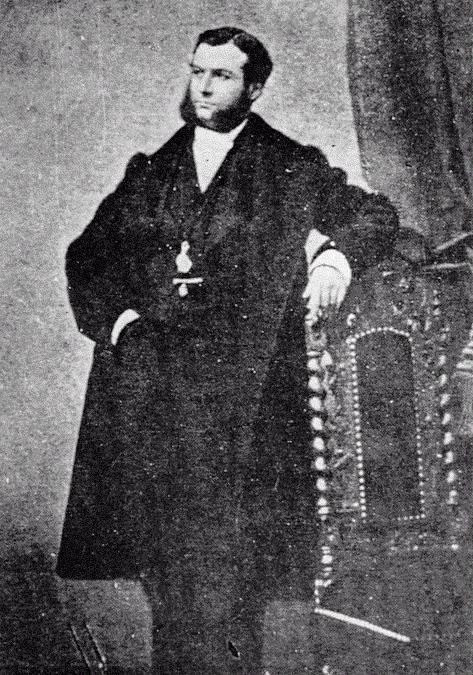
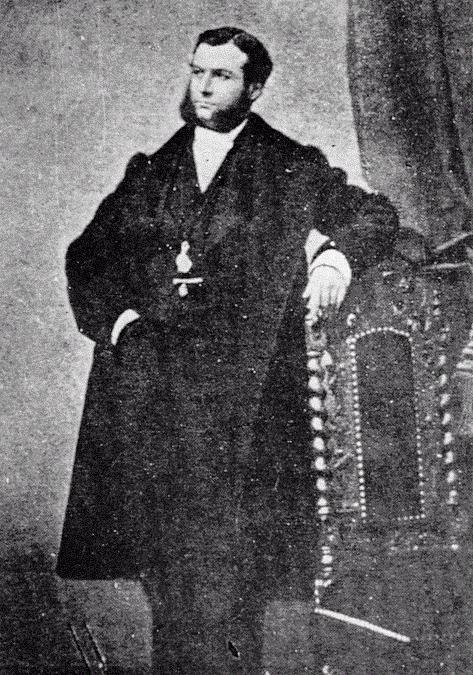
Edmond-Désiré Couty de la Pommerais was a homeopathic physician practicing in Paris during the 1860s. By posing as a Count, he gained access to the upper echelons of society, eventually marrying into the wealthy Dubizy family. His behavioral profile was characterized by compulsive gambling and financial instability, which drove him to exploit his medical credentials for criminal gain.
2. Criminal Career and Modus Operandi
Pommerais employed a calculated modus operandi involving the manipulation of his victims. He is suspected of poisoning his mother-in-law, Madame Dubizy, to secure an inheritance. His most notorious crime involved his mistress, Séraphine de Pauw. He persuaded her to take out a large life insurance policy and name him as the beneficiary, claiming they would fake an illness to defraud the insurer. Instead, he administered lethal doses of digitalin, a drug that induces cardiac paralysis, resulting in her death.
3. Investigation and Arrest
Professor Ambroise Tardieu, a renowned forensic pathologist, spearheaded the investigation after an anonymous tip suggested foul play. Recognizing the victim's symptoms of racing heart, Tardieu suspected digitalin poisoning. He conducted groundbreaking experiments by injecting extracts from the victim's remains into frogs, demonstrating that the physiological reactions matched those of digitalin, thus providing the necessary evidence to link Pommerais to the crime.
4. Legal Proceedings and Outcome
The trial in the spring of 1864 became a landmark case for forensic science. Despite the defense's attempts to challenge the validity of Tardieu's frog-based experiments, the court accepted the evidence. Pommerais was convicted of the murder of his mistress and sentenced to death. He was executed by guillotine on June 9, 1864.