



Forensic & Criminological Matrix
| Parameter | Forensic Detail |
|---|---|
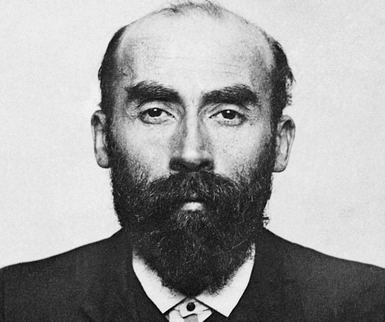
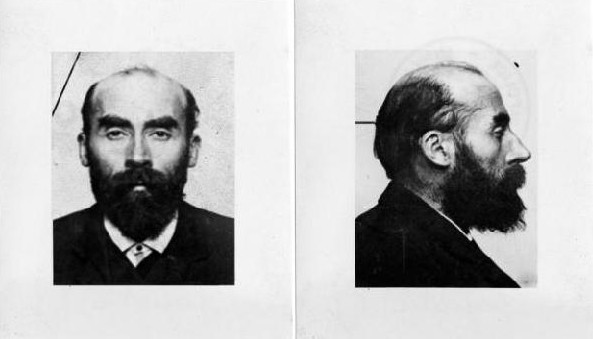
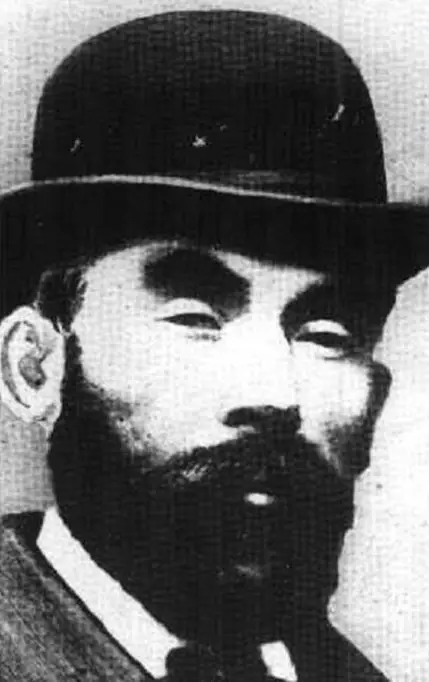
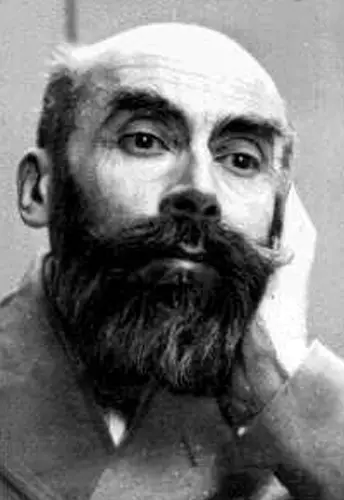
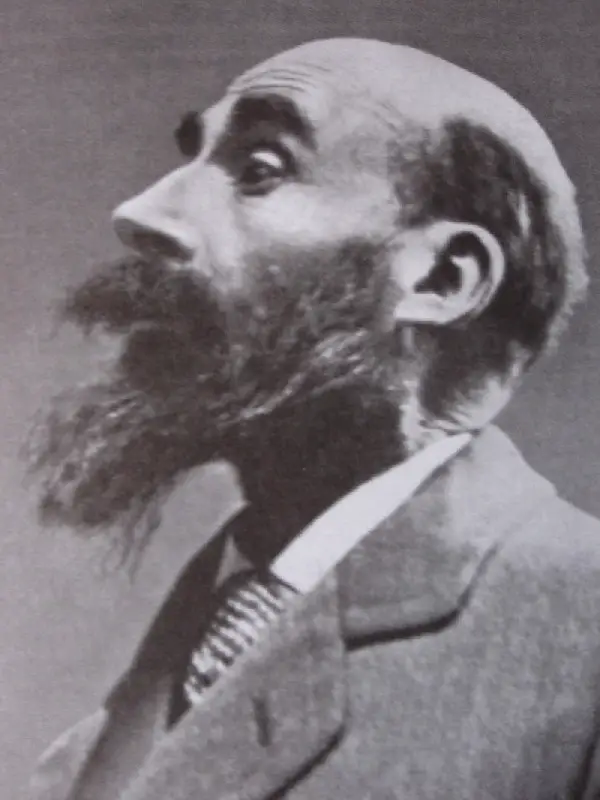
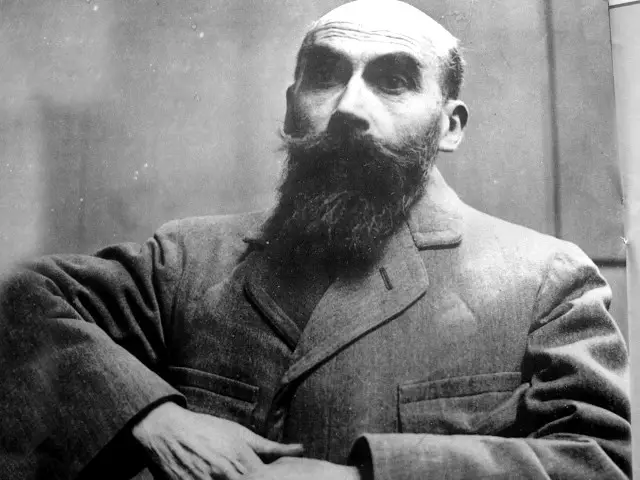
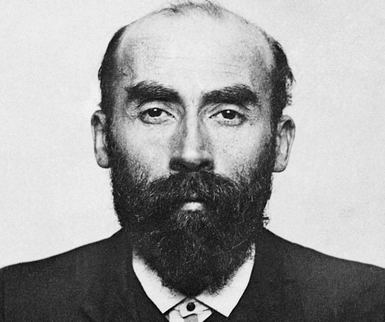
| Full Legal Name | Henri Désiré Landru |
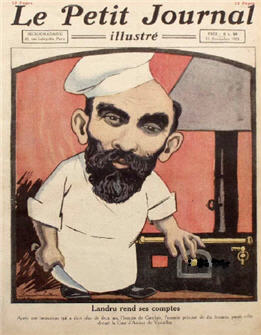
| Media Monikers | The Bluebeard of Gambais, The French Bluebeard, L'Homme rouge de Gambais |
| Nationality | French |
| Date of Birth | April 12, 1869, Paris, France |
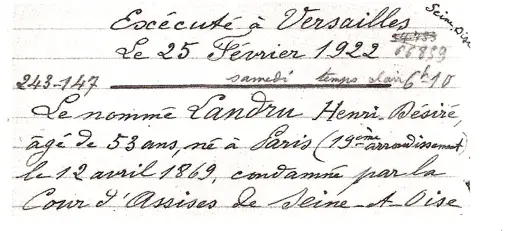
| Date of Death | February 25, 1922 (aged 52, executed by guillotine at Saint-Pierre Prison, Versailles) |
| Penal Status | Sentenced to death on November 30, 1921; guillotined on February 25, 1922 |
| Confirmed Murder Victims | 11 homicides: 10 affluent women (largely WWI war widows) and 1 teenage boy (son of his first victim) |
| Timeline of Crimes | February 1915 to January 1919 (spanning World War I) |
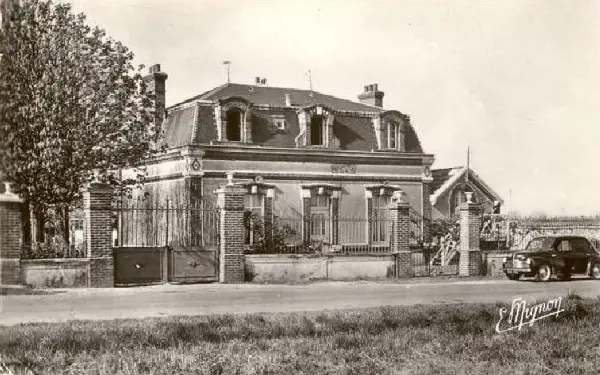
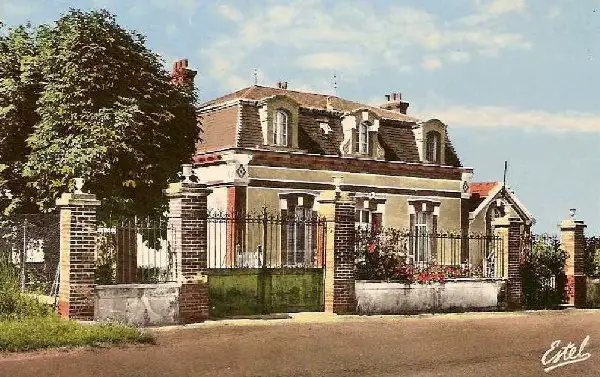
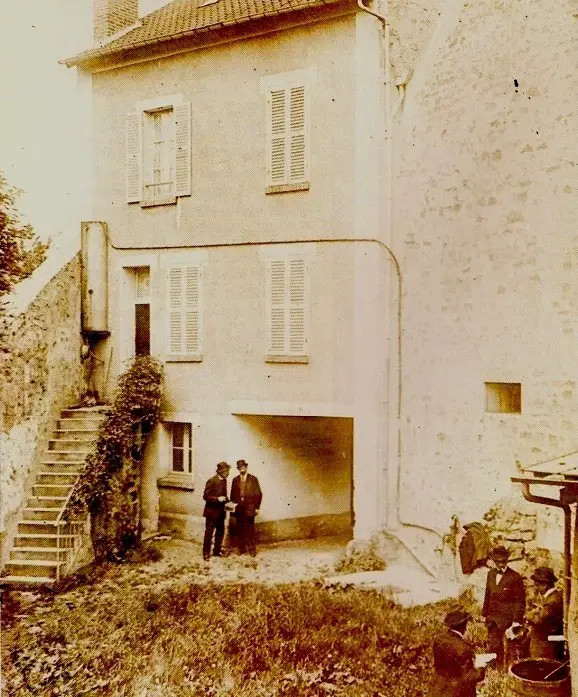
| Geographic Crime Scenes | Paris, Vernouillet, and L'Ermitage villa in Gambais (Yvelines, France) |
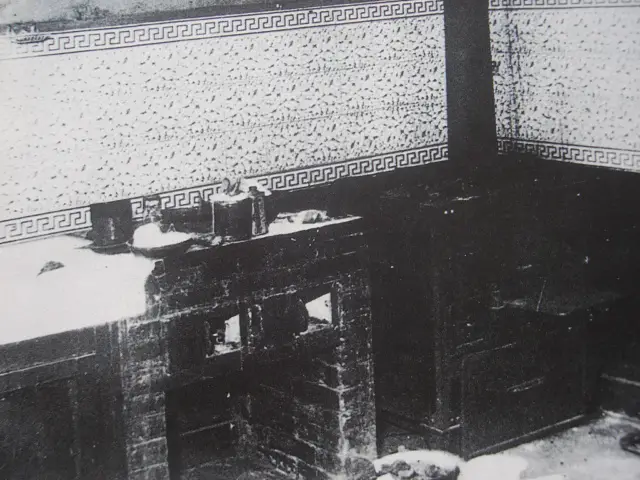
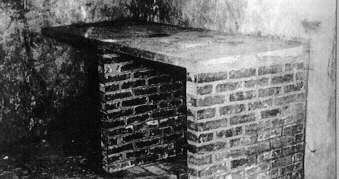
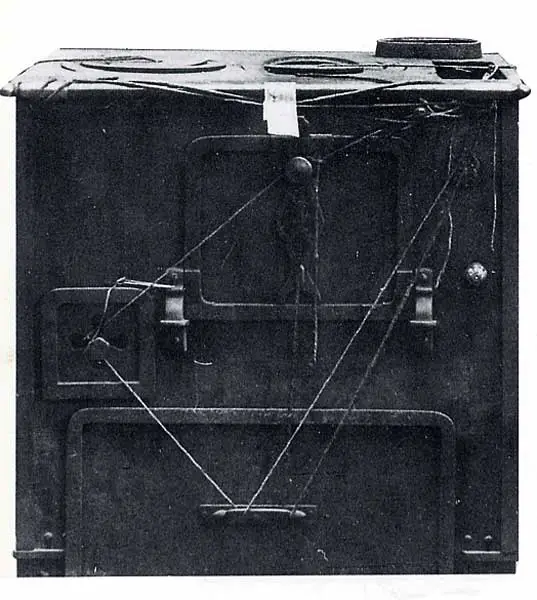
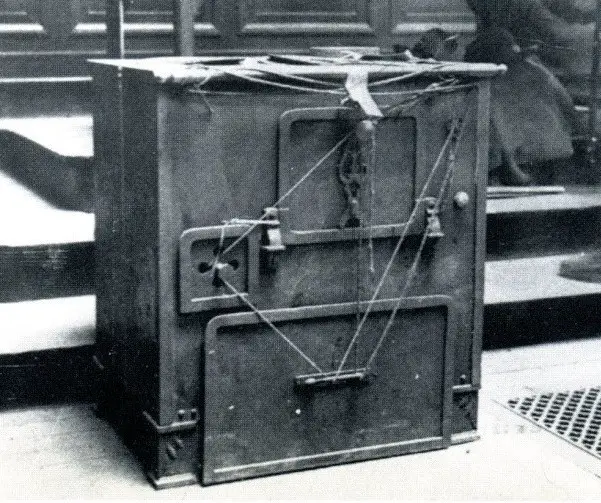
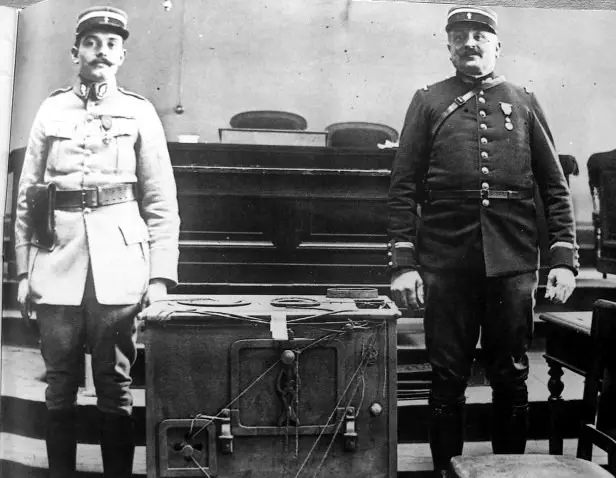
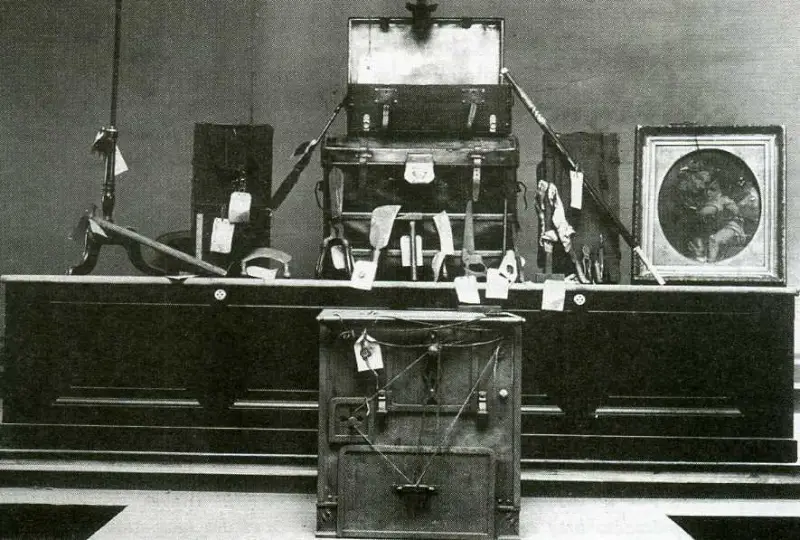
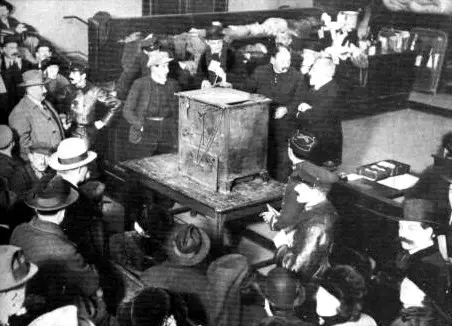
| Lethal Modus Operandi & Disposal | Nocturnal asphyxiation/strangulation followed by systematic anatomical dismemberment and total incineration of cadaveric tissue in his coal kitchen stove |
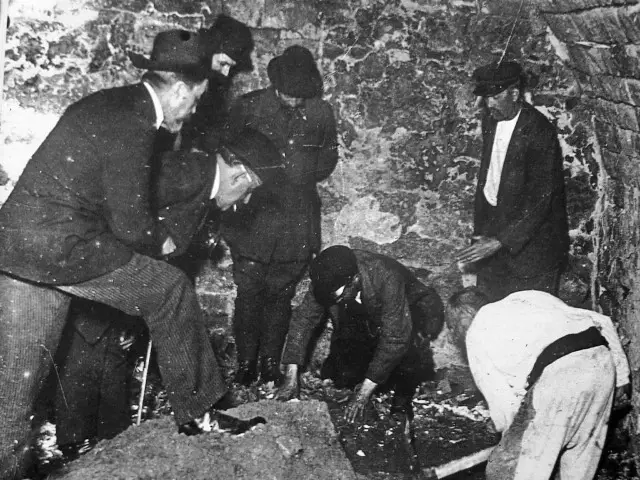
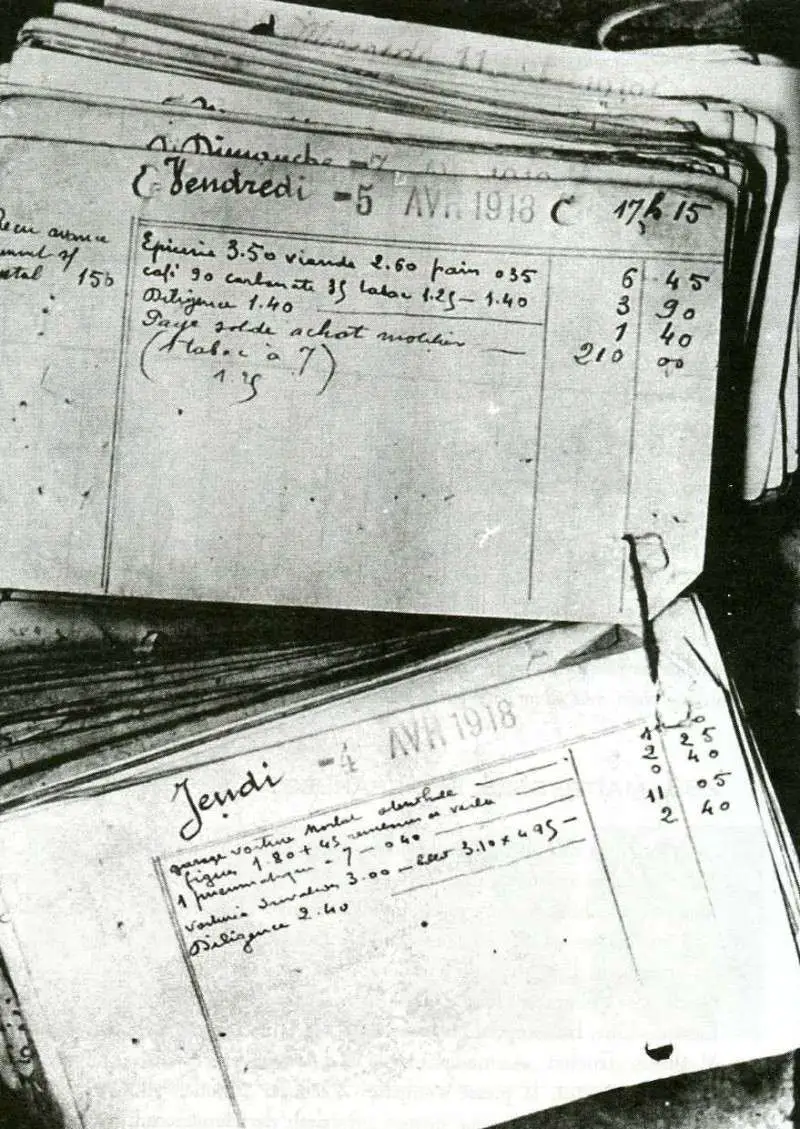
| Key Physical Evidence | Meticulous black ledger (recording single one-way train tickets for victims and round-trips for himself), 295 calcined human bone fragments, 47 dental elements, and burned clothing hardware extracted from hearth ash |
| Primary Criminal Motive | Predatory financial parasitism, systematic asset expropriation, and narcissistic sociopathy |
1. Criminological Trajectory and Sociopathic Genesis
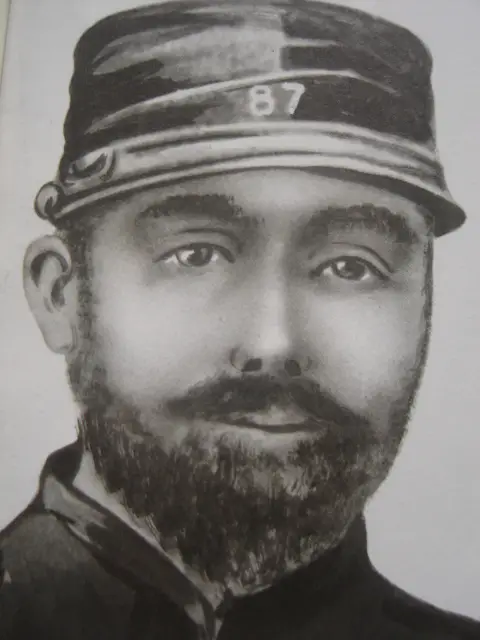
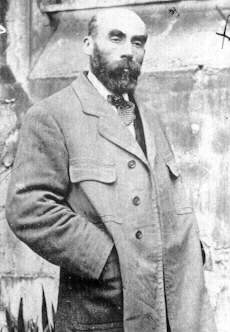
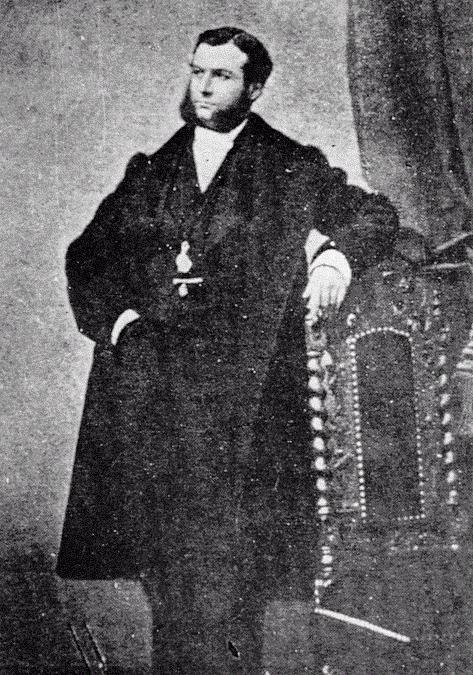
Henri Désiré Landru was born into a respectable Parisian working-class family. Educated at Catholic institutions and having served as a quartermaster sergeant in the French Army, he married his cousin Marie-Catherine Remy and fathered four children. Beneath this façade of bourgeois domesticity, Landru harbored an unremitting propensity for swindling, commercial fraud, and forged securities.
Between 1900 and 1914, Landru accumulated repeated prison sentences for bogus investments and fraudulent matrimonial schemes. Facing long-term penal transportation by 1914, he went into hiding. The outbreak of World War I created a catastrophic demographic void: with hundreds of thousands of French soldiers dying at the front, Paris was populated by thousands of grieving widows holding war pensions and unencumbered life savings.
2. The "Bluebeard" Modus Operandi
Landru engineered a predatory, factory-like mechanism:
- Recruitment: He published classified advertisements in the matrimonial columns of Parisian dailies such as Le Petit Parisien: "Widower of 43, comfortable private income, loving father of two, seeks lady or widow of independent means with a view to marriage."
- Seduction and Aliases: Responding under a rotation of pseudonyms (Cuchet, Dupont, Guillet, Fremyet, Diard), he projected refined manners, paternal gentleness, and empathy, rapidly disarming the suspicions of vulnerable women.
- Financial Expropriation: Before marriage could occur, Landru persuaded his fiancées to execute legal powers of attorney granting him authorization to liquidate their bank deposits, real estate deeds, furniture, and family heirlooms.
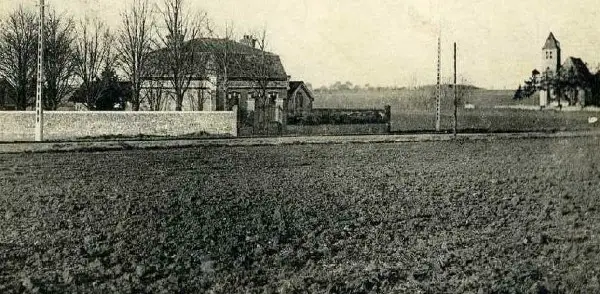
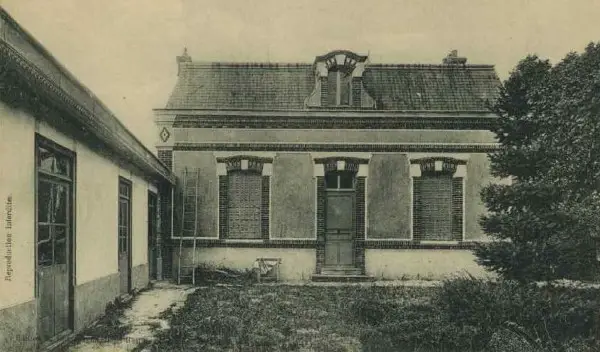
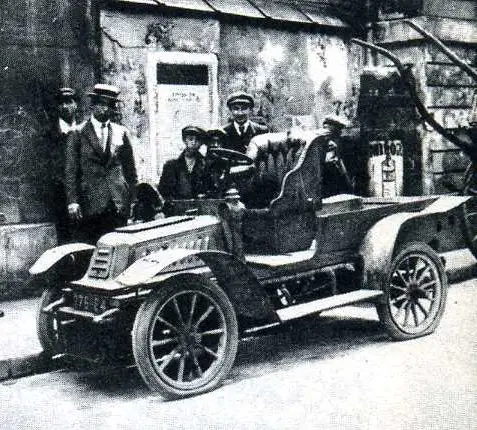
- The Gambais Death Trap: He lured the victims to isolated rented villas outside Paris—initially in Vernouillet, and later L'Ermitage in Gambais. In rail transport logs, Landru systematically purchased a round-trip ticket for himself and a single one-way ticket for the accompanying woman.
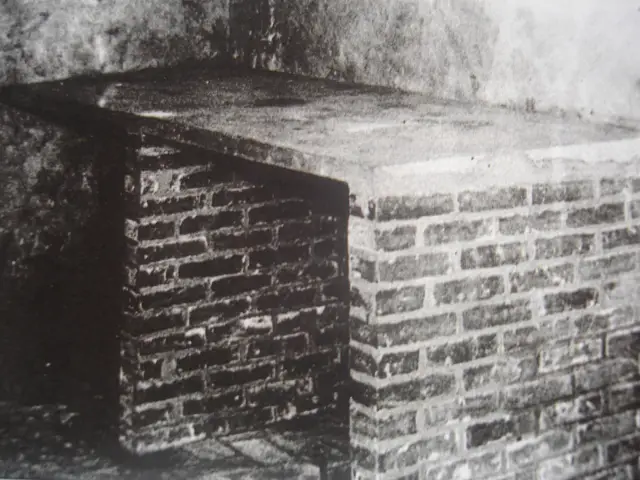
- Execution and Incineration: Once isolated, the victims were murdered (likely by manual strangulation or suffocation). Landru then partitioned the bodies with surgical precision and incinerated the soft tissues and skeletal mass in his domestic cast-iron coal stove. Neighbors later recalled foul, persistent black smoke wafting across Gambais at irregular hours.
3. Disappearances and Police Breakthrough
Between 1915 and 1919, eleven people vanished into thin air: ten adult women and 19-year-old André Cuchet, the son of his first victim.
In late 1918, Marie Lacoste, sister of the vanished victim Célestine Buisson, traced her sister's last known whereabouts to Gambais. When contacting the local mayor, she discovered that the family of another vanished woman (Madame Anne-Marie Collomb) had made identical inquiries regarding a mysterious "Monsieur Dupont" residing at the same villa.
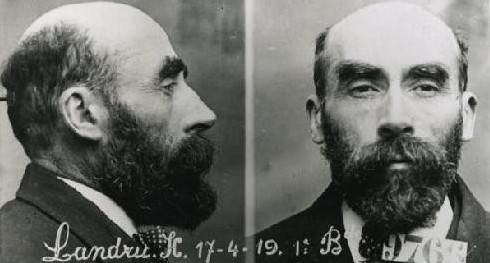
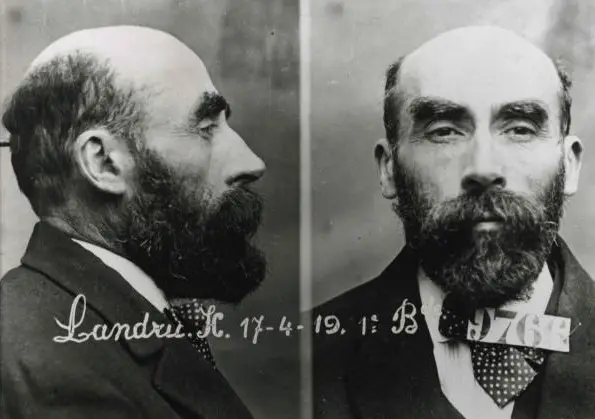
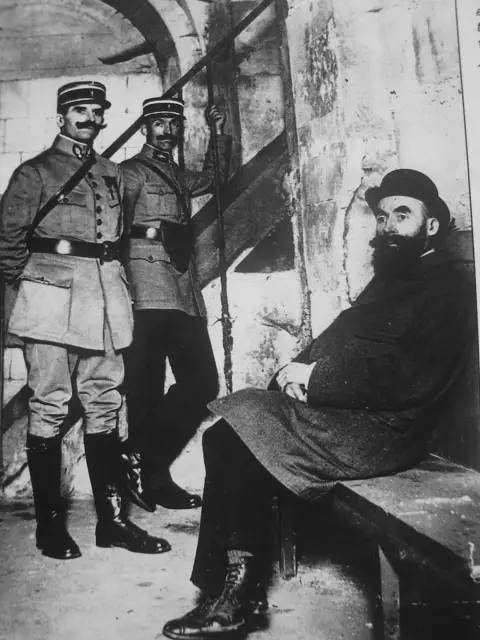
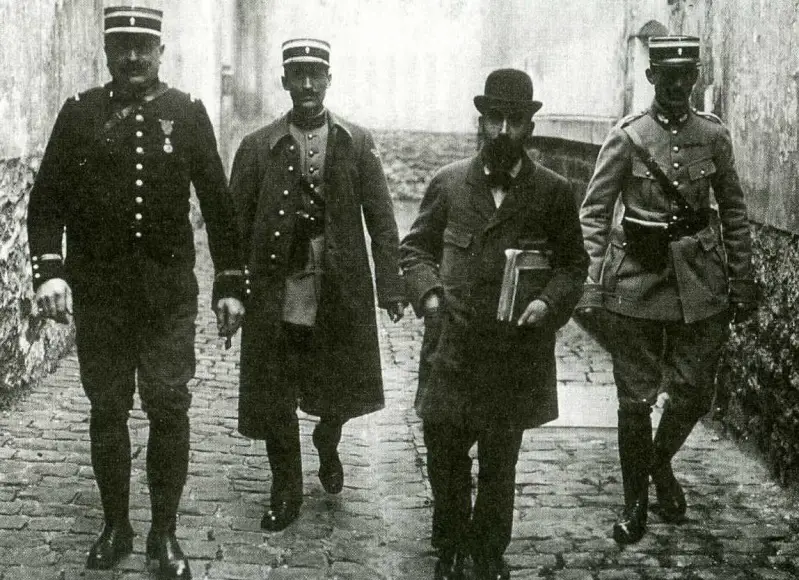
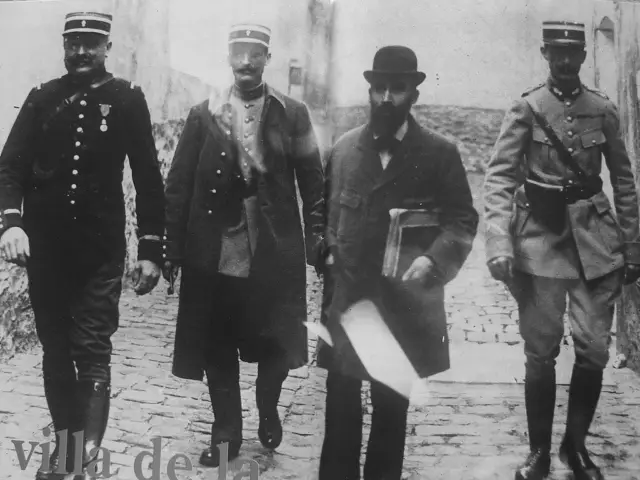
Joining forces, the families filed formal complaints. On April 11, 1919, Lacoste recognized Landru shopping on the Rue de Rivoli with a young mistress. Inspector Jules Belin trailed him to an apartment on Boulevard Ney, arresting him on April 12, 1919 under the alias Lucien Guillet.
4. The Black Ledger and Forensic Discoveries
During searches of Landru's residence, detectives uncovered his infamous pocket notebook (Le Carnet Noir). It contained a horrifyingly methodical ledger: the names of all 11 missing individuals, the exact dates of their disappearance, the precise sums extorted, and the incriminating ticket purchases: return tickets for Landru, single tickets for each victim.
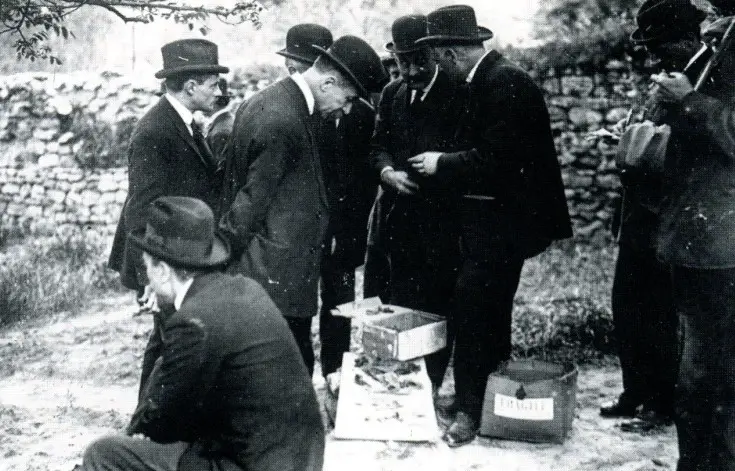
Forensic examination of the ashes in the garden and kitchen stoves of the Gambais villa yielded decisive pathological proof:
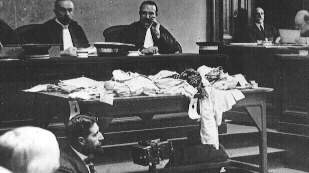
- 295 calcined human bone fragments, including cranial plates, vertebrae, and phalanges.
- 47 human teeth and dental crowns.
- Corset stays, metal buttons, belt buckles, and the incinerated remains of three family dogs killed alongside the victims.
5. Trial at Versailles and Guillotine Execution
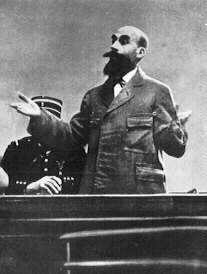
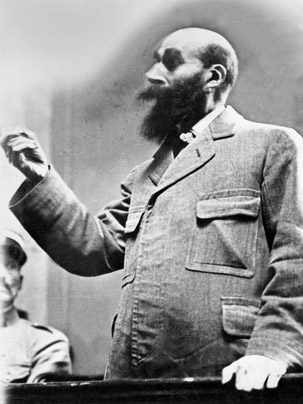
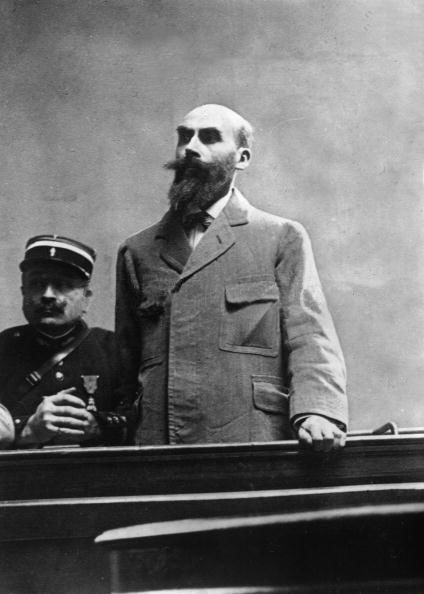
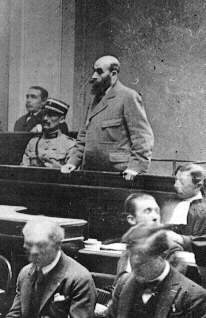
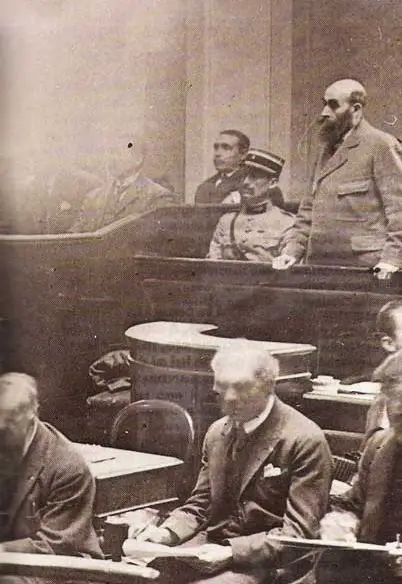
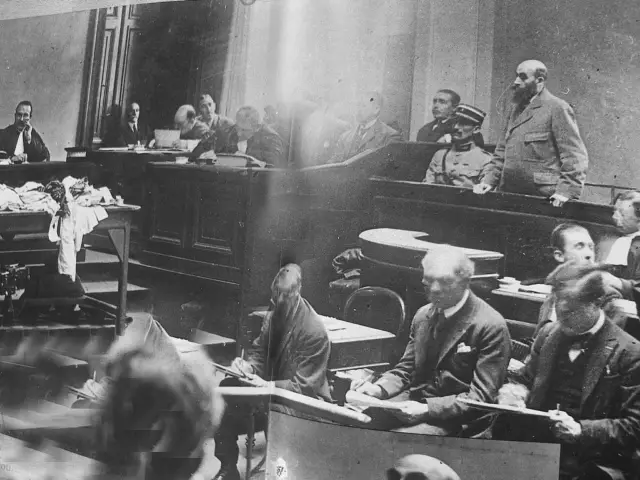
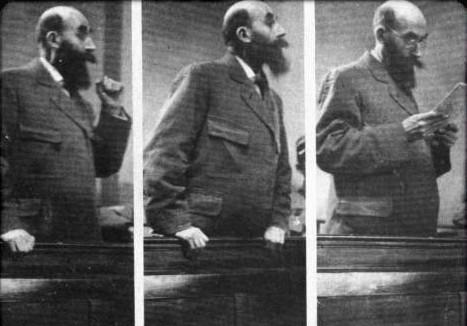
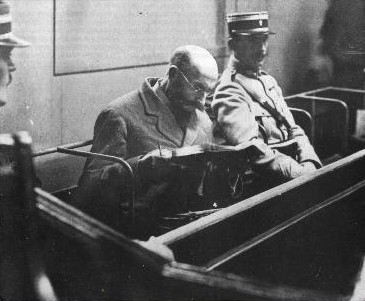
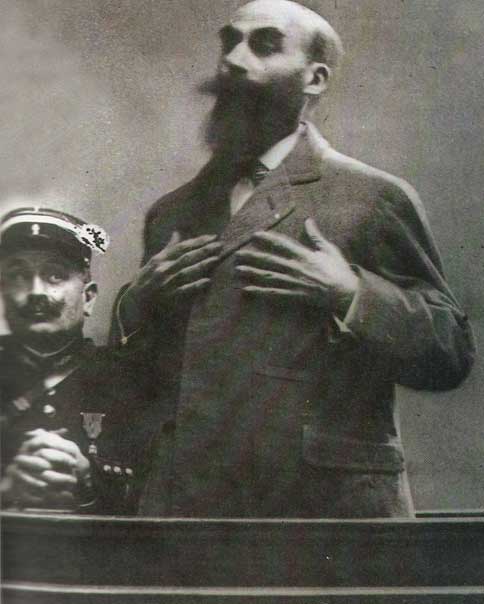
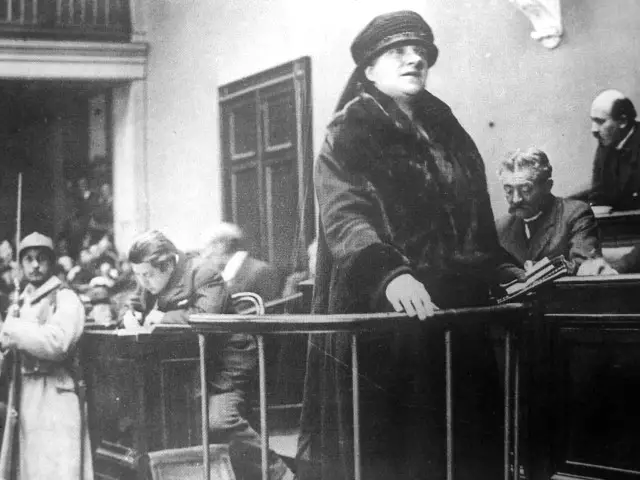
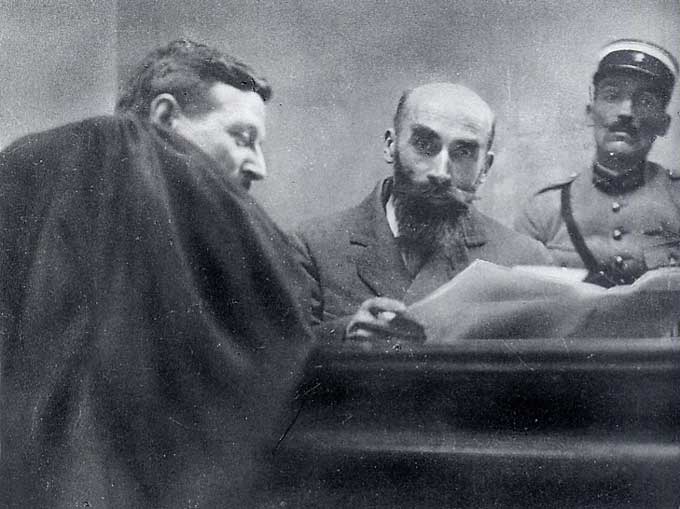
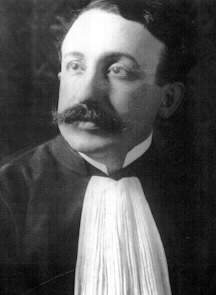
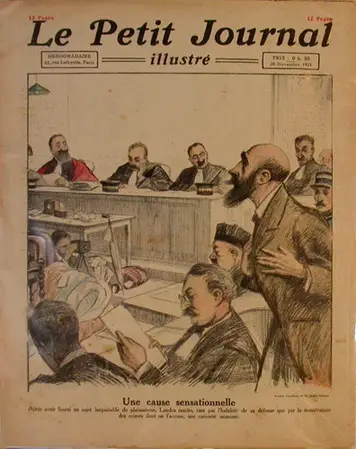
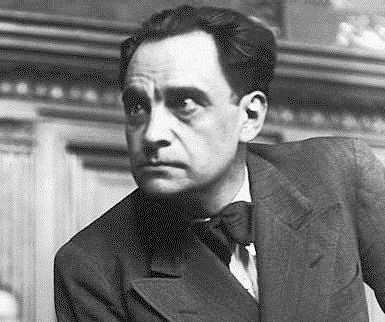
Landru's trial commenced on November 7, 1921 at the Seine-et-Oise Court of Assizes in Versailles. It became an international media sensation, drawing luminaries such as Colette, Maurice Chevalier, and Georges Feydeau. Throughout the proceedings, Landru exhibited insolent irony, repeatedly answering judicial inquiries with sardonic retorts: "If these ladies are missing, look for them; I am not the guardian of their travels."
Despite the absence of complete corpses, circumstantial and forensic evidence left no reasonable doubt. On November 30, 1921, the jury convicted Landru of eleven counts of premeditated murder, sentencing him to death.
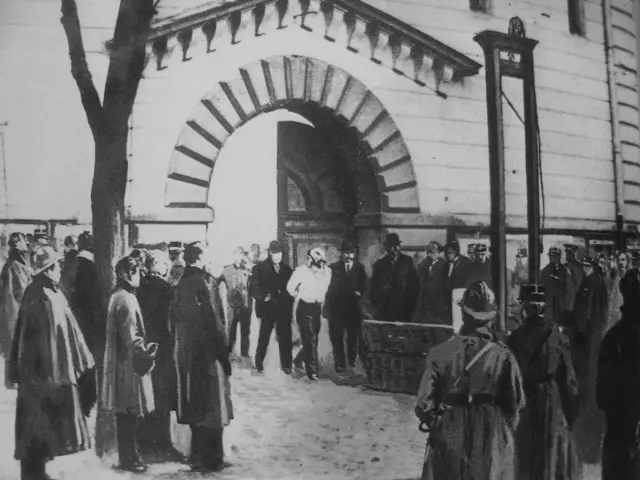
At dawn on February 25, 1922, Henri Désiré Landru was led to the guillotine erected outside Saint-Pierre Prison in Versailles. He refused the traditional cigarette and glass of rum, and was executed at 06:05 AM. His mummified severed head is preserved at the Museum of Death.