


Forensic & Criminological Matrix
| Parameter | Forensic Detail |
|---|---|
| Forensic Heading / Aliases | Dr. Bougrat |
| Legal Identity | Pierre Marie Bougrat |
| Confirmed Victims | 1 (Jacques Rumèbe) |
| Attributed / Indicted Victims | 1 |
| Active Timeline | 1925 |
| Jurisdiction / Area of Operations | Marseille, France; Cayenne penal colony (French Guiana); Venezuela |
| Criminological Classification | Homicidal physician / Poisoner and body concealer |
| Forensic Modus Operandi | Lethal injection of organoarsenical compounds (salvarsan), subsequent concealment of the corpse in furniture, and tactical evasion |
| Weapon / Mechanism of Death | Salvarsan injection / Organoarsenical poisoning |
| Motive / Behavioral Dynamics | Panic over potential criminal incrimination, concealment of financial debts, and avoidance of medico-legal liability |
| Judicial Outcome | Sentenced to death (commuted to 25 years of hard labor due to war service and Legion of Honour status), followed by a successful prison escape and exile in Venezuela until his death in 1936 |
1. Background and Profile
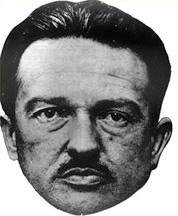
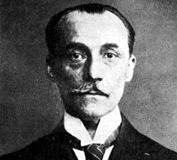
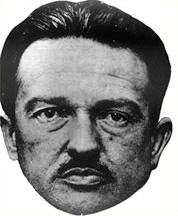
Pierre Marie Bougrat was born in France in 1889. During World War I, he displayed notable bravery at the front, earning prestigious military decorations including the Croix de Guerre and the Legion of Honour. Following the war, he established a medical practice in the port city of Marseille. Bougrat maintained a dual profile: on one hand, an empathetic physician who treated outcasts, prostitutes, and criminals free of charge; on the other, a lavish playboy burdened by heavy gambling debts and extravagant spending.
2. Crime Spree and Modus Operandi
His criminal downfall occurred in 1925. One of his patients and close acquaintances, Jacques Rumèbe, suffered from syphilis and was undergoing intravenous treatments with salvarsan, an organoarsenical compound requiring meticulous clinical preparation. After receiving a treatment session, Rumèbe returned to the clinic in a panic following a night of heavy drinking, claiming to have lost a bag full of money and asking Bougrat for help. After an unsuccessful search, Bougrat returned to find Rumèbe dead. Overwhelmed by panic and fearing he would be accused of murder or robbery, the doctor concealed the body in a cupboard to buy time.
3. Investigation and Arrest
The police initially intervened not for homicide, but to execute an arrest warrant for passing rubber checks linked to Bougrat's gambling debts. Upon searching the medical office, officers serendipitously discovered Rumèbe's corpse hidden inside the furniture, instantly pivoting the case into a homicide investigation centered on the administration of salvarsan.
4. Legal Proceedings and Outcome
Bougrat's trial polarized 1920s French society. Despite his defense claiming an unforeseen medical reaction or panic-driven error, a jury found him guilty of murder by a six-to-five vote and sentenced him to death. Due to his exceptional war record and legal protections barring the execution of Legion of Honour recipients, his sentence was commuted to 25 years of hard labor.
5. Psychiatric Assessment and Aftermath
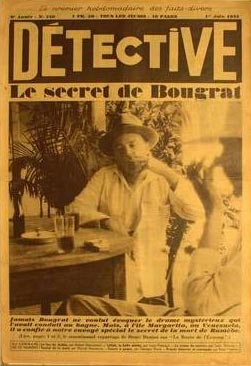
Bougrat was sent to the notorious French penal colony in Cayenne, French Guiana, in late 1926. Leveraging his medical expertise, he quickly secured a valued position among the prison population. Within six months, he executed a rare and successful escape from the institution. He eventually reached Venezuela, settling in Iripa during an epidemic where he dedicated himself to public health. Local authorities turned a blind eye to his fugitive status, and he practiced medicine freely until his death in 1936.