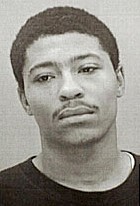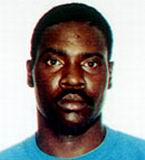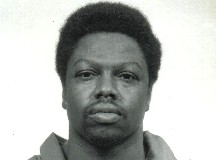
Forensic & Criminological Matrix
| Parameter | Forensic Detail |
|---|---|
| Forensic Heading / Aliases | None |
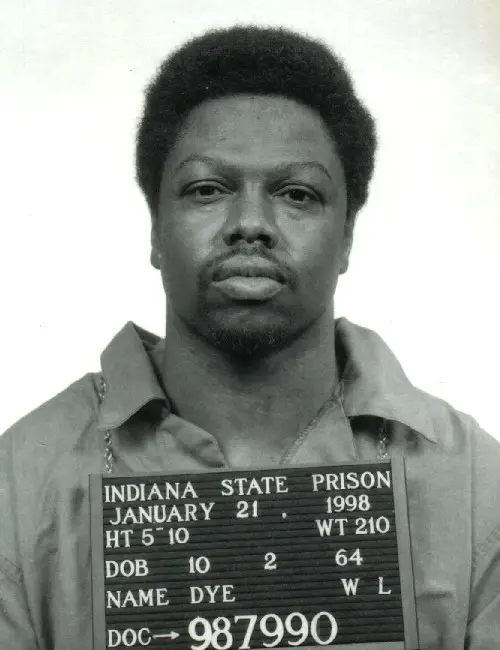
| Legal Identity | Walter L. Dye |
| Confirmed Victims | 3 |
| Attributed / Indicted Victims | 3 |
| Active Timeline | July 22, 1996 |
| Jurisdiction / Area of Operations | Indianapolis, Indiana |
| Criminological Classification | Familial mass murderer |
| Forensic Modus Operandi | Blunt force trauma, strangulation, stabbing |
| Weapon / Mechanism of Death | Pry bar, hammer, electrical cords |
| Motive / Behavioral Dynamics | Spousal revenge |
| Judicial Outcome | Death sentence (later commuted) |
1. Background and Psychopathy
Walter L. Dye (born October 2, 1964) had a history of domestic volatility with his wife, Myrna Dye. Following their separation in July 1996, Dye exhibited clear signs of retaliatory behavior, explicitly threatening to make his wife suffer for the rest of her life. His psychological profile indicated a possessive and violent nature toward his step-family.
2. Crime Spree
On July 22, 1996, Dye entered the apartment where his step-daughter, Hannah Clay, was babysitting her young relatives, Celeste Jones and Lawrence Cowherd III. He systematically murdered all three. Hannah was subjected to extreme blunt force trauma with a pry bar and hammer, followed by strangulation and stabbing. The two younger children were beaten and strangled with electrical cords, their bodies later discovered in trash bags.
3. Investigation and Arrest
Forensic investigators recovered overwhelming physical evidence, including palm prints, blood-stained fingerprints, and DNA evidence from seminal fluid found at the scene. The DNA match was statistically significant at 1 in 39 billion, effectively linking Dye to the crime scene despite his initial denials.
4. Legal Proceedings and Outcome
During the trial in Marion County Superior Court, the defense attempted to challenge discovery procedures and the admissibility of scientific evidence. The jury remained unconvinced by the 'residual doubt' arguments. Dye was convicted of three counts of murder and sentenced to death on January 20, 1998. The conviction was affirmed by the Indiana Supreme Court in 1999.