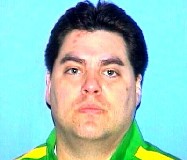




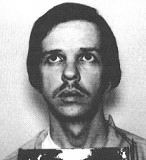
Forensic & Criminological Matrix
| Parameter | Forensic Detail |
|---|---|
| Forensic Heading / Aliases | Peninsula Serial Killer |
| Legal Identity | Jon Scott Dunkle |
| Confirmed Victims | 3 |
| Attributed / Indicted Victims | 3 |
| Active Timeline | 1981 - 1985 |
| Jurisdiction / Area of Operations | Belmont and Sacramento, California |
| Criminological Classification | Serial Killer |
| Forensic Modus Operandi | Luring young victims to isolated areas, stabbing, strangulation, and blunt force trauma |
| Weapon / Mechanism of Death | Hunting knives, electrical tools, nail-studded boards, rocks |
| Motive / Behavioral Dynamics | Psychopathy, paranoid schizophrenia, sadism |
| Judicial Outcome | Death sentence (San Mateo) and life imprisonment (Sacramento) |
1. Background and Profile
Jon Scott Dunkle (born 1960) exhibited signs of severe mental instability and cognitive impairment from a young age. His history is marked by learning disabilities and erratic behavior. Psychiatric evaluations later identified paranoid schizophrenia and delusions, which became central to his legal defense and subsequent appeals regarding his competency to stand trial.
2. Criminal Career and Modus Operandi
Dunkle targeted young males, often acquaintances, whom he would lure to secluded locations. His crimes were characterized by extreme violence, including stabbing and the use of improvised weapons like nail-studded boards. His victims included John Davies, Lance Turner, and Sean Dannehl. He also committed violent assaults against others, demonstrating a clear pattern of predatory behavior.
3. Investigation and Arrest
The investigation involved extensive collaboration between local law enforcement and the FBI. Detectives utilized undercover operations and informants to gather evidence. Dunkle's eventual confession, supported by maps he drew of the crime scenes and the recovery of murder weapons, provided the necessary evidence for conviction.
4. Legal Proceedings and Outcome
Convicted in 1989, Dunkle received a death sentence for the murders in San Mateo County. His legal journey has been defined by his deteriorating mental state. The appointment of a legal guardian for him while on death row is a landmark event in California law, highlighting the complexities of executing individuals with severe mental illness.
5. Psychiatric Evaluation and Conclusion
Dunkle's mental state has been described as 'severely deranged' by court-appointed experts. His delusions, including beliefs about 'computers' in his brain, have led to forced medication and multiple findings of mental incompetence, effectively stalling his execution and raising profound ethical questions about the justice system's handling of the mentally ill.