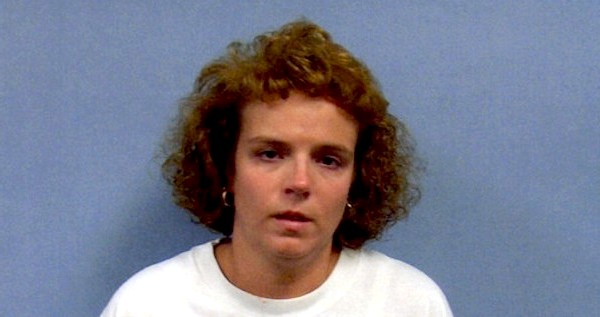


Forensic & Criminological Matrix
| Parameter | Forensic Detail |
|---|---|
| Forensic Heading / Aliases | Jane Dorotik |
| Legal Identity | Jane Marguerite Dorotik |
| Confirmed Victims | 1 (Robert "Bob" Dorotik, 55, her husband) |
| Active Timeline | February 13, 2000 |
| Jurisdiction / Area of Operations | San Diego County, California, USA |
| Criminological Classification | Spousal homicide / Parricide motivated by financial gain |
| Forensic Modus Operandi | Severe blunt force trauma and strangulation inside the marital residence, followed by clandestine cleanup of biological evidence and dumping of the body in a rural area. |
| Weapon / Mechanism of Death | Blunt object and manual/mechanical strangulation |
| Motive / Behavioral Dynamics | Marital breakdown, divorce proceedings, and financial anxiety regarding the potential loss of 40% of her salary in alimony payments. |
| Judicial Outcome | Convicted on June 13, 2001, of first-degree murder and sentenced to 25 years to life. Conviction later vacated and overturned after decades of appeals, resulting in her release. |
1. Background and Psychopathy
Jane Marguerite Dorotik was a successful health care executive and businesswoman residing in Valley Center, California. Married to Robert "Bob" Dorotik for 30 years, she shared three children with him and maintained an upper-middle-class lifestyle centered around a ranch and equestrian activities. Despite outward appearances, the marriage deteriorated due to financial friction and marital discord, largely driven by the high costs associated with their horse-breeding activities and impending legal separations.
2. Crime Spree
On the afternoon of February 13, 2000, Jane Dorotik reported her 55-year-old husband missing, claiming he had gone for a jog and failed to return. The following morning, Robert's battered and strangled body was discovered on a roadside several miles away from their property. Crime scene investigators quickly determined that the primary crime scene was the couple's bedroom, where massive quantities of blood had been meticulously scrubbed away in an attempt to conceal the homicide.
3. Investigation and Forensic Hunt
Investigators zeroed in on Jane Dorotik almost immediately, establishing a robust financial motive. Robert had previously filed for divorce, meaning Jane stood to lose a significant portion of her income—approximately 40% or $50,000 annually—in alimony, which would derail her business plans. Physical evidence quickly mounted against her: tire tracks at the body dump site matched the tread pattern of her Ford F-250 truck, and extensive bloodstain pattern analysis linked the primary bedroom directly to the assault.
4. Arrest and Judicial Proceedings
Arrested three days after the discovery of the body, Jane Dorotik pleaded not guilty. As the trial approached, her defense team pursued controversial strategies, at times implicating the couple's daughter, Claire, which deeply fractured the family. In June 2001, following a rigorous trial in San Diego County Superior Court, a jury found Dorotik guilty of first-degree murder. On August 1, 2001, Judge Joan Weber sentenced her to 25 years to life in prison.
5. Psychiatric Assessment and Aftermath
Throughout her imprisonment at the California Institution for Women, Dorotik steadfastly proclaimed her innocence, attracting supporters and legal advocacy groups who argued that critical DNA testing had been withheld or mishandled. Decades later, persistent legal maneuvers by her defense teams culminated in the successful vacating of her conviction due to unanalyzed biological evidence and procedural flaws, ultimately leading to her freedom.